[cs_content][cs_element_section _id=”1″ ][cs_element_layout_row _id=”2″ ][cs_element_layout_column _id=”3″ ][x_button shape=”pill” size=”small” block=”false” circle=”false” icon_only=”false” href=”http://d2p.dreamhosters.com/wp-content/uploads/Amanda-Starbuck_s-PDF-Essay.pdf” title=”” target=”” info=”none” info_place=”top” info_trigger=”hover” info_content=”” class=”right”][x_icon type=”cloud-download” class=”mvn mln mrs”]Download PDF[/x_button][cs_element_raw_content _id=”5″ ][cs_content_seo][author]\n\n[/cs_content_seo][cs_element_raw_content _id=”6″ ][cs_content_seo][share title=”Share this Post” facebook=”true” twitter=”true” linkedin=”true” email=”true”]\n\n[/cs_content_seo][/cs_element_layout_column][/cs_element_layout_row][/cs_element_section][cs_element_section _id=”7″ ][cs_element_layout_row _id=”8″ ][cs_element_layout_column _id=”9″ ][cs_element_raw_content _id=”10″ ][cs_content_seo]Table of Contents
1. Introduction
2. Price Floors Provide Farmers with Stable and Fair Incomes
3. Price Floors, if Tied to Agroecological Practices, Can Build Soil and Reduce Climate Emissions
4. We Cannot Afford to Leave the Principles of Parity Out of Our Nation’s Farm Policies
5. We Cannot Afford to Leave the Principles of Parity Out of Our Nation’s Farm Policies
\n\n[/cs_content_seo][cs_element_text _id=”11″ ][cs_content_seo]Introduction\n\n[/cs_content_seo][cs_element_text _id=”12″ ][cs_content_seo]Farmers, and the rural communities that depend on them, are in crisis, and have been for a long time. Median net farm yearly income for US farmers in 2020 is projected to be negative 1,840 dollars, an estimate made even before the COVID-19 pandemic disrupted the food supply chain.[extra id=”ref1″ href=”#fn1″ title=”Text of footnote 1 here” title=”Footnote 1″ info=”popover” info_place=”top” info_trigger=”hover” info_content=”U.S. Department of Agriculture (USDA). “Highlights from the February 2020 Farm Income Forecast.” Updated February 25, 2020.”][1][/extra] Farm debt is at an all-time high, causing more than 10,000 farms to close each year and raising fears that small farms are “nearing extinction.”[extra id=”ref2″ href=”#fn2″ title=”Text of footnote 2 here” title=”Footnote 2″ info=”popover” info_place=”top” info_trigger=”hover” info_content=”Semuels, Alana. “‘They’re trying to wipe us off the map.’ Small American farmers are nearing extinction.” Time. November 27, 2019.”][2][/extra] The suicide rate among farmers is higher than for any other occupation, compelling dairy cooperatives to include numbers for suicide prevention hotlines when sending dairy checks.[extra id=”ref3″ href=”#fn3″ title=”Text of footnote 3 here” title=”Footnote 3″ info=”popover” info_place=”top” info_trigger=”hover” info_content=”Smith, Tovia. “As milk prices decline, worries about dairy farmer suicides rise.” NPR. February 27, 2018. “][3][/extra] Overproduction and low prices are driving farms out of business. Unchecked consolidation among crop and livestock industries has further driven down farm income while funneling money out of rural communities.[extra id=”ref4″ href=”#fn4″ title=”Text of footnote 4 here” title=”Footnote 4″ info=”popover” info_place=”top” info_trigger=”hover” info_content=”Food & Water Watch (FWW). “The Economic Cost of Food Monopolies.” November 2012 at 2.”][4][/extra] Additionally, farmers, farm workers, and rural communities experience disproportionate health impacts from industrial agriculture, including exposure to toxic pesticides and hazardous pollution from factory farms,[extra id=”ref5″ href=”#fn5″ title=”Text of footnote 5 here” title=”Footnote 5″ info=”popover” info_place=”top” info_trigger=”hover” info_content=”Factory farms, or “CAFOs” (Concentrated Animal Feeding Operations) house large numbers of animals in confinement. The regulatory definitions of CAFOs as they pertain to the Clean Water Act can be found at 40 CFR § 122.23. “][5][/extra] all while facing declining access to healthcare facilities.[extra id=”ref6″ href=”#fn6″ title=”Text of footnote 6 here” title=”Footnote 6″ info=”popover” info_place=”top” info_trigger=”hover” info_content=”Douthit, N. et al. “Exposing some important barriers to health care access in the rural USA.” Public Health. Vol. 129, Iss. 6. June 2015 at abstract.”][6][/extra]
Federal farm policy in the US does little to address the various causes behind the current farm crisis. For instance, although subsidized crop insurance serves as a disaster program, it does nothing to prevent overproduction, a key contributor to low crop prices. Moreover, crop insurance does not incentivize farmers to implement ecological practices that can build soil and ensure the productivity of farmland for future generations. Instead, farmers are thrown a lifeline to make it through one more harvest, incentivizing them to plant even more acres next year in order to shake out a living.
Reinstating a parity program which includes price floors and supply management can stabilize prices in a predictable range. This will eliminate the price volatility that plagues farmers. Price floors should be set at parity – a price that restores the buying power of farm commodities and is adjusted for farm expense inflation. If coupled with federal grain reserves, the program could operate without budgetary costs to the federal government.
Moreover, supply management can address the numerous ecological problems that come with excess commodity production. With fewer acres of corn and soybeans needed, farmers are free to divert fields to soil-conservation systems like hay production and pasture, thereby reducing pesticide use, greenhouse gas emissions, and soil erosion.\n\n[/cs_content_seo][/cs_element_layout_column][cs_element_layout_column _id=”13″ ][cs_element_image _id=”14″ ][cs_element_text _id=”15″ ][cs_content_seo]Photo by Wesley Tingey on Unsplash\n\n[/cs_content_seo][/cs_element_layout_column][/cs_element_layout_row][/cs_element_section][cs_element_section _id=”16″ ][cs_element_layout_row _id=”17″ ][cs_element_layout_column _id=”18″ ][cs_element_text _id=”19″ ][cs_content_seo]Price Floors Provide Farmers with Stable and Fair Incomes
\n\n[/cs_content_seo][cs_element_text _id=”20″ ][cs_content_seo]Today’s grain farmers are both buying inputs from and selling products into tightly consolidated markets. Four firms control 67 percent of the seed industry; these percentages are even higher among corn (85 percent) and soybean (76 percent) seed firms. For herbicide and pesticide firms, four firms control 84 percent.[extra id=”ref7″ href=”#fn7″ title=”Text of footnote 7″ title=”Footnote 7″ info=”popover” info_place=”top” info_trigger=”hover” info_content=”Mooney, Pat. ETC Group. “Blocking the Chain: Industrial Food Chain Concentration, Big Data Platforms and Food Sovereignty Solutions.” October 2018 at 4; Kelloway, Claire and Sarah Miller. “Food and Power: Addressing Monopolization in America’s Food System.” Open Markets Institute. March 2019 at 6 to 7.”][7][/extra] With less competition, grain farmers have seen significant increases in seed and input costs over the past decades, while the prices farmers receive for their output have not kept up, the result of selling into a grain trading market where concentration amongst so few firms is at nearly 90 percent.[extra id=”ref8″ href=”#fn8″ title=”Text of footnote 8″ title=”Footnote 8″ info=”popover” info_place=”top” info_trigger=”hover” info_content=”Kelloway & Miller at 6 and 8.”][8][/extra]
In the absence of price floors, farmers have few options to make up revenue lost in this tightly consolidated system. Some will respond to a year of low prices by increasing production, including through intensive practices or by planting on marginal lands. This, in turn, increases the overall grain supply and further drives down grain prices, essentially creating a vicious cycle.[extra id=”ref9″ href=”#fn9″ title=”Text of footnote 9″ title=”Footnote 9″ info=”popover” info_place=”top” info_trigger=”hover” info_content=”FWW. [Fact sheet]. "Grain reserves. Common sense farm policy." May 2014 at 2 to 3.”][9][/extra]
Price floors aimed at parity prices can significantly increase and stabilize farmer income while making sure processors and livestock feeding corporations pay a fair price. One way to implement this is for the US Department of Agriculture (USDA) to provide nonrecourse loans to farmers based on this price floor. In years when required supply reductions are inadequate or when local prices fall below the price floor, the USDA would not require farmers in those localities to pay back the loan, but instead would collect the harvest as collateral – essentially buying surplus grains from the market. The USDA could then release these grains into the market at higher prices in years when drought or other disasters reduce production, thereby smoothing out market volatility and ensuring a steady supply of grain to the benefit of both farmers and consumers.[extra id=”ref10″ href=”#fn10″ title=”Text of footnote 10″ title=”Footnote 10″ info=”popover” info_place=”top” info_trigger=”hover” info_content=”Ibid at 1.”][10][/extra]
Price floors and grain reserves are not new concepts. The Agricultural Adjustment Act (AAA) of 1933 was the government’s response to chronic price collapses, most notoriously following World War I and culminating in the “dirty thirties,” where rock-bottom prices and the Dust Bowl bankrupted thousands of farms. Recognized as the first Farm Bill, the AAA responded to this crisis by setting price floors and import restrictions on various commodities, while purchasing surplus grains for the national reserve.[extra id=”ref11″ href=”#fn11″ title=”Text of footnote 11″ title=”Footnote 11″ info=”popover” info_place=”top” info_trigger=”hover” info_content=”Graddy-Lovelace, Garrett and Adam Diamond. “From supply management to agricultural subsidies – and back again? The U.S. Farm Bill & agrarian (in)viability.” Journal of Rural Studies. Vol. 50. February 2017 at 76. “][11][/extra] This saved countless family farms from going under while providing a steady and reliable source of grain for consumers. Prices averaged 100 percent of parity from 1942 through 1952, helping to avoid a post-war recession.[extra id=”ref12″ href=”#fn12″ title=”Text of footnote 12″ title=”Footnote 12″ info=”popover” info_place=”top” info_trigger=”hover” info_content=”U.S. Bureau of the Census, Historical Statistics of the United States: Colonial Times to 1970, Bicentennial Edition, Part 1, U.S. Department of Commerce, Washington, D.C., 1975, “Indexes of Prices Received and Paid by Farmers, and Parity Ratio: 1910-1970,” series K344-353, pp. 488-489, https://www.census.gov/library/publications/1975/compendia/hist_stats_colonial-1970.html. “][12][/extra] However, under political pressure from agribusinesses, subsequent farm bills destroyed the New Deal promise of parity and eventually eliminated supply management and food reserves for virtually all commodities.[extra id=”ref13″ href=”#fn13″ title=”Text of footnote 13″ title=”Footnote 13″ info=”popover” info_place=”top” info_trigger=”hover” info_content=”FWW. [Fact sheet]. "Grain reserves. Common sense farm policy." May 2014 at 2.”][13][/extra] The exception is sugar, whose price is still supported at no budgetary cost to the US government.[extra id=”ref14″ href=”#fn14″ title=”Text of footnote 14″ title=”Footnote 14″ info=”popover” info_place=”top” info_trigger=”hover” info_content=”A chief difference in the sugar supply management program is that nonrecourse loans are given to sugar processors, not farmers. See McMinimy, Mark A. Congressional Research Service (CRS). “U.S. Sugar Program Fundamentals.” R43998. April 6, 2016 at summary. “][14][/extra]\n\n[/cs_content_seo][/cs_element_layout_column][cs_element_layout_column _id=”21″ ][cs_element_image _id=”22″ ][cs_element_text _id=”23″ ][cs_content_seo]Photo by Laura Seaman on Unsplash\n\n[/cs_content_seo][/cs_element_layout_column][/cs_element_layout_row][/cs_element_section][cs_element_section _id=”24″ ][cs_element_layout_row _id=”25″ ][cs_element_layout_column _id=”26″ ][cs_element_text _id=”27″ ][cs_content_seo]Price Floors, if Tied to Agroecological Practices, Can Build Soil and Reduce Climate Emissions\n\n[/cs_content_seo][cs_element_text _id=”28″ ][cs_content_seo]Another key tenet of supply management is participation in conservation programs. The Dust Bowl was a manmade disaster, caused in part by ploughing up prairie grasslands in response to high prices and the US government’s call to increase production during World War I. Similarly, today’s farm crisis incentivizes ramping up production through extractive, ecologically-damaging practices, including continuous monocultures grown with synthetic inputs like pesticides and fertilizers. Intensive agricultural practices like these increase soil erosion rates, threatening the future productivity of cropland.[extra id=”ref15″ href=”#fn15″ title=”Text of footnote 15″ title=”Footnote 15″ info=”popover” info_place=”top” info_trigger=”hover” info_content=”Nearing, Mark A. et al. “Natural and anthropogenic rates of soil erosion. ” International Soil and Water Conservation Research. Vol. 5., Iss. 2. June 2017 at 79.”][15][/extra] Intensification also reduces soil organic matter and biodiversity, making farmland less resilient to threats from plant pests and extreme weather events.[extra id=”ref16″ href=”#fn16″ title=”Text of footnote 16″ title=”Footnote 16″ info=”popover” info_place=”top” info_trigger=”hover” info_content=”Schrama, M. et al. “Crop yield gap and stability in organic and conventional farming systems. ” Agriculture, Ecosystems and Environment. Vol. 256. March 15, 2018 at 123 to 124.”][16][/extra]
The AAA created programs that paid farmers to set aside marginal land from production, easing soil erosion rates while avoiding overproduction of grain crops. Later farm bills expanded on these programs.[extra id=”ref17″ href=”#fn17″ title=”Text of footnote 17″ title=”Footnote 17″ info=”popover” info_place=”top” info_trigger=”hover” info_content=”Congressional Research Service (CRS). “Agricultural Conservation in the 2018 Farm Bill.” R45698. April 18, 2019 at summary.”][17][/extra] The USDA can leverage existing conservation programs to not only protect ecologically sensitive land but also as another supply management tool. Similarly, the USDA can boost funding for programs that incentivize agroecological practices, such as cover cropping, crop rotation, and returning livestock to pasture. The ecological benefits from such programs extend far beyond the fence line and merit public funding.
Moreover, supply management can help curb climate-warming emissions. Agriculture is perhaps the largest source of human-caused climate emissions, contributing between 19 to 29 percent of these throughout the entire food production chain.[extra id=”ref18″ href=”#fn18″ title=”Text of footnote 18″ title=”Footnote 18″ info=”popover” info_place=”top” info_trigger=”hover” info_content=”Vermeulen, Sonja J. et al. “Climate change and food systems. ” Annual Review of Environment and Resources. Vol. 37. November 2012 at 198.”][18][/extra] In the US, grain crops often rely on synthetic inputs produced using fossil fuels, which represent the largest contribution of greenhouse gases in some cereal crop systems.[extra id=”ref19″ href=”#fn19″ title=”Text of footnote 19″ title=”Footnote 19″ info=”popover” info_place=”top” info_trigger=”hover” info_content=”Woods, Jeremy et al. “Energy and the food system. ” Philosophical Transaction of the Royal Society B. Vol. 365. 2010 at abstract; Liu, Chang et al. “Farming tactics to reduce the carbon footprint of crop cultivation in semiarid regions. A review. ” Agronomy for Sustainable Development. Vol. 36, No. 69. December 2016 at 3.”][19][/extra] Avoiding overproduction and incentivizing ecological practices can go a long way towards reducing agriculture’s immense climate footprint and avoiding catastrophic climate change and its many impacts on agriculture.\n\n[/cs_content_seo][/cs_element_layout_column][cs_element_layout_column _id=”29″ ][cs_element_image _id=”30″ ][cs_element_text _id=”31″ ][cs_content_seo]Aerial View of a Factory Farm. Photo by Socially Responsible Agriculture Project \n\n[/cs_content_seo][/cs_element_layout_column][/cs_element_layout_row][/cs_element_section][cs_element_section _id=”32″ ][cs_element_layout_row _id=”33″ ][cs_element_layout_column _id=”34″ ][cs_element_text _id=”35″ ][cs_content_seo]Price Floors and Supply Management Can Eliminate Indirect Subsidies to Factory Farms\n\n[/cs_content_seo][cs_element_text _id=”36″ ][cs_content_seo]One major consequence of overproduction of grain crops is that it provides animal feed processors with a mountain of cheap grain.[extra id=”ref20″ href=”#fn20″ title=”Text of footnote 20″ title=”Footnote 20″ info=”popover” info_place=”top” info_trigger=”hover” info_content=”Wise, Timothy A. Tufts University. Global Development and Environment Institute. “Identifying the real winners from U.S. agricultural policies. ” Working Paper No. 05-07. December 2005 at 1 to 4. “][20][/extra] This, in turn, props up the polluting factory farm industry. Since the current farm safety net provides insufficient economic relief without managing supply, grains remain cheap and public dollars are “effectively launder[ed] through farmers,” as Food & Water Watch Founder, Wenonah Hauter says, to the feed processors and factory farms.[extra id=”ref21″ href=”#fn21″ title=”Text of footnote 21″ title=”Footnote 21″ info=”popover” info_place=”top” info_trigger=”hover” info_content=”Hauter, Wenonah. (2012). Foodopoly: The Battle over the Future of Food and Farming in America. New York: New Press at 293.”][21][/extra]
The availability of cheap grain led to fewer diversified crop-and-livestock operations, as it became more cost effective for farmers to purchase feed rather than grow it themselves or practice rotational grazing. It is no surprise that factory farms began to surge across the US landscape just as federal agricultural policy encouraged the overproduction of corn and soybeans.[extra id=”ref22″ href=”#fn22″ title=”Text of footnote 22″ title=”Footnote 22″ info=”popover” info_place=”top” info_trigger=”hover” info_content=”Smith, Trevor J. “Corn, cows, and climate change: How federal agricultural subsidies enable factory farming and exacerbate U.S. greenhouse gas emissions. ” Washington Journal of Environmental Law & Policy. Vol. 9, Iss. 1. March 2019 at 47 to 48 and 55.”][22][/extra] The 1996 “Freedom to Farm” Bill removed the last remaining vestiges of supply management, leading to oversupply and commodity price crashes in these commodities. By 1999, corn and soybean prices dropped roughly 50 percent, requiring substantial direct payments to farmers from federal coffers in order to avoid mass farm foreclosure.[extra id=”ref23″ href=”#fn23″ title=”Text of footnote 23″ title=”Footnote 23″ info=”popover” info_place=”top” info_trigger=”hover” info_content=”FWW (2014) at 2.”][23][/extra]
Feed processors jumped on the opportunity to purchase artificially-cheap grain, and factory farms mushroomed across the rural landscape, replacing thousands of smaller, more diversified farms.[extra id=”ref24″ href=”#fn24″ title=”Text of footnote 24″ title=”Footnote 24″ info=”popover” info_place=”top” info_trigger=”hover” info_content=”Wise, Timothy A. Tufts University. Global Development and Environment Institute. “Identifying the real winners from U.S. agricultural policies. ” Working Paper No. 05-07. December 2005 at 1 to 4; FWW analysis of the USDA Census of Agriculture (1997, 2002, 2007, 2012, and 2017 census years). “][24][/extra] For example, between 1997 to 2017, Iowa increased its hog production by more than 50 percent but lost 85.5 percent of its small- and medium-sized hog farms. [extra id=”ref25″ href=”#fn25″ title=”Text of footnote 25″ title=”Footnote 25″ info=”popover” info_place=”top” info_trigger=”hover” info_content=”FWW analysis of the USDA Census of Agriculture (1997 and 2017 census years). “][25][/extra] Fewer farms, as well as a trend towards factory operations that purchase inputs from vertically-integrated companies, erode the economic and social well-being of rural communities, leading to greater levels of poverty, economic inequality, and out-migration.[extra id=”ref26″ href=”#fn26″ title=”Text of footnote 26″ title=”Footnote 26″ info=”popover” info_place=”top” info_trigger=”hover” info_content=”Lobao, Linda and Curtis W. Stofferahn. “The community effects of industrialized farming: Social science research and challenges to corporate farming laws. ” Agriculture and Human Values. Vol. 25, Iss. 2. June 2008 at 220 to 221 and 225; Durrenberger, E. Paul and Kendall M. Thu. “The expansion of large scale hog farming in Iowa: The applicability of Goldschmidt’s findings fifty years later. ” Human Organization. Vol. 55, No. 4. Winter 1996 at 411 to 412; Lyson, Thomas A. and Rick Welsh. “Agricultural industrialization, anticorporate farming laws, and rural community welfare. ” Environment and Planning A: Economy and Space. Vol. 37, Iss. 8. August 1, 2005 at 1487 to 1488. “][26][/extra]
Revamping federal farm policy to include parity prices and supply management for grain crops will stop the flow of artificially-cheap inputs to factory farms, also known as concentrated animal feeding operations (CAFOs). It is a necessary step towards leveling the playing field so that livestock farmers with diversified operations or those that practice rotational grazing can be economically viable.\n\n [/cs_content_seo][/cs_element_layout_column][/cs_element_layout_row][/cs_element_section][cs_element_section _id=”37″ ][cs_element_layout_row _id=”38″ ][cs_element_layout_column _id=”39″ ][cs_element_text _id=”40″ ][cs_content_seo]We Cannot Afford to Leave the Principles of Parity Out of Our Nation’s Farm Policies\n\n[/cs_content_seo][cs_element_text _id=”41″ ][cs_content_seo]Parity principles, including price floors, supply management and grain reserves, are the logical path towards raising farm income while realigning grain production with agroecological principles. This is a necessary basis – not a silver bullet – for addressing today’s farm crisis. Supply management programs will need to be designed so that they do not disproportionately benefit the largest producers while creating barriers for new or historically underserved farmers, one criticism of early New Deal era programs that did not address the needs of landless tenant farmers and sharecroppers.[extra id=”ref27″ href=”#fn27″ title=”Text of footnote 27″ title=”Footnote 27″ info=”popover” info_place=”top” info_trigger=”hover” info_content=”Graddy-Lovelace & Diamond at 78.”][27][/extra] Additionally, we must take other actions to support farmers and rural communities, including enforcing our nation’s antitrust laws to provide farmers with fair and competitive markets, closing loopholes that enable factory farms to evade Clean Water and Clean Air Act regulations, and restructuring our trade agreements so they do not undermine the food sovereignty of farmers and rural communities of all countries, including our own.
Encouragingly, the conversation around farm policy seems to be shifting from finger-pointing at farm subsidy recipients to a broader dialogue on how to restore fairness in the farm economy. A handful of the 2020 democratic presidential candidates’ agricultural platforms included calls to reintroduce supply management,[extra id=”ref28″ href=”#fn28″ title=”Text of footnote 28″ title=”Footnote 28″ info=”popover” info_place=”top” info_trigger=”hover” info_content=”Braser, Philip. “Candidates get detailed on farm policy in bid for rural votes. ” Agri-Pulse. January 29, 2020.”][28][/extra] proposals that have been notably absent in recent election cycles, despite the preoccupation over winning the rural vote. Legislation recently introduced in Congress targets other systemic problems in the food system, including bills to halt agribusiness mega-mergers and to fund a just transition out of the factory farm model.[extra id=”ref29″ href=”#fn29″ title=”Text of footnote 29″ title=”Footnote 29″ info=”popover” info_place=”top” info_trigger=”hover” info_content=”See the “Food and Agribusiness Merger Moratorium and Antitrust Review Act of 2019 ” (S.1596/H.R.2933 116th Congress) and the “Farm System Reform Act of 2019 ” (S.3221/H.R.6718 116th Congress).”][29][/extra]\n\n[/cs_content_seo][/cs_element_layout_column][cs_element_layout_column _id=”42″ ][cs_element_quote _id=”43″ ][cs_content_seo]Our leaders must harness this momentum to restructure federal farm policy by reestablishing price floors and other supply management tools, so that our food system lifts up farmers, farm workers, and rural communities.\n\n[/cs_content_seo][/cs_element_layout_column][cs_element_layout_column _id=”44″ ][cs_element_image _id=”45″ ][/cs_element_layout_column][cs_element_layout_column _id=”46″ ][cs_element_line _id=”47″ ][cs_element_text _id=”48″ ][cs_content_seo][extra id=”fn1″ href=”#ref1″ title=”” info=”popover” info_place=”top” info_trigger=”hover” info_content=”Jump back to footnote 1 in the text.”]1. U.S. Department of Agriculture (USDA). “Highlights from the February 2020 Farm Income Forecast.” Updated February 25, 2020.[/extra]\n\n[/cs_content_seo][cs_element_text _id=”49″ ][cs_content_seo][extra id=”fn2″ href=”#ref2″ title=”” info=”popover” info_place=”top” info_trigger=”hover” info_content=”Jump back to footnote 2 in the text.”]2. Semuels, Alana. “‘They’re trying to wipe us off the map.’ Small American farmers are nearing extinction.” Time. November 27, 2019.[/extra]\n\n[/cs_content_seo][cs_element_text _id=”50″ ][cs_content_seo][extra id=”fn3″ href=”#ref3″ title=”” info=”popover” info_place=”top” info_trigger=”hover” info_content=”Jump back to footnote 3 in the text.”]3. Smith, Tovia. “As milk prices decline, worries about dairy farmer suicides rise.” NPR. February 27, 2018. [/extra]\n\n[/cs_content_seo][cs_element_text _id=”51″ ][cs_content_seo][extra id=”fn4″ href=”#ref4″ title=”” info=”popover” info_place=”top” info_trigger=”hover” info_content=”Jump back to footnote 4 in the text.”]4. Food & Water Watch (FWW). “The Economic Cost of Food Monopolies.” November 2012 at 2. [/extra]\n\n[/cs_content_seo][cs_element_text _id=”52″ ][cs_content_seo][extra id=”fn5″ href=”#ref5″ title=”” info=”popover” info_place=”top” info_trigger=”hover” info_content=”Jump back to footnote 5 in the text.”]5. Factory farms, or “CAFOs” (Concentrated Animal Feeding Operations) house large numbers of animals in confinement. The regulatory definitions of CAFOs as they pertain to the Clean Water Act can be found at 40 CFR § 122.23. [/extra]\n\n[/cs_content_seo][cs_element_text _id=”53″ ][cs_content_seo][extra id=”fn6″ href=”#ref6″ title=”” info=”popover” info_place=”top” info_trigger=”hover” info_content=”Jump back to footnote 6 in the text.”]6. Douthit, N. et al. “Exposing some important barriers to health care access in the rural USA.” Public Health. Vol. 129, Iss. 6. June 2015 at abstract.[/extra]\n\n[/cs_content_seo][/cs_element_layout_column][cs_element_layout_column _id=”54″ ][cs_element_text _id=”55″ ][cs_content_seo][extra id=”fn7″ href=”#ref7″ title=”” info=”popover” info_place=”top” info_trigger=”hover” info_content=”Jump back to footnote 7 in the text.”]7. Mooney, Pat. ETC Group. “Blocking the Chain: Industrial Food Chain Concentration, Big Data Platforms and Food Sovereignty Solutions.” October 2018 at 4; Kelloway, Claire and Sarah Miller. “Food and Power: Addressing Monopolization in America’s Food System.” Open Markets Institute. March 2019 at 6 to 7.[/extra]\n\n[/cs_content_seo][cs_element_text _id=”56″ ][cs_content_seo][extra id=”fn8″ href=”#ref8″ title=”” info=”popover” info_place=”top” info_trigger=”hover” info_content=”Jump back to footnote 8 in the text.”]8. Kelloway & Miller at 6 and 8.[/extra]\n\n[/cs_content_seo][cs_element_text _id=”57″ ][cs_content_seo][extra id=”fn3″ href=”#ref3″ title=”” info=”popover” info_place=”top” info_trigger=”hover” info_content=”Jump back to footnote 3 in the text.”]3. Smith, Tovia. “As milk prices decline, worries about dairy farmer suicides rise.” NPR. February 27, 2018. [/extra]\n\n[/cs_content_seo][cs_element_text _id=”58″ ][cs_content_seo][extra id=”fn4″ href=”#ref4″ title=”” info=”popover” info_place=”top” info_trigger=”hover” info_content=”Jump back to footnote 4 in the text.”]4. Food & Water Watch (FWW). “The Economic Cost of Food Monopolies.” November 2012 at 2. [/extra]\n\n[/cs_content_seo][cs_element_text _id=”59″ ][cs_content_seo][extra id=”fn5″ href=”#ref5″ title=”” info=”popover” info_place=”top” info_trigger=”hover” info_content=”Jump back to footnote 5 in the text.”]5. Factory farms, or “CAFOs” (Concentrated Animal Feeding Operations) house large numbers of animals in confinement. The regulatory definitions of CAFOs as they pertain to the Clean Water Act can be found at 40 CFR § 122.23. [/extra]\n\n[/cs_content_seo][cs_element_text _id=”60″ ][cs_content_seo][extra id=”fn6″ href=”#ref6″ title=”” info=”popover” info_place=”top” info_trigger=”hover” info_content=”Jump back to footnote 6 in the text.”]6. Douthit, N. et al. “Exposing some important barriers to health care access in the rural USA.” Public Health. Vol. 129, Iss. 6. June 2015 at abstract.[/extra]\n\n[/cs_content_seo][cs_element_text _id=”61″ ][cs_content_seo][extra id=”fn7″ href=”#ref7″ title=”” info=”popover” info_place=”top” info_trigger=”hover” info_content=”Jump back to footnote 7 in the text.”]7. Mooney, Pat. ETC Group. “Blocking the Chain: Industrial Food Chain Concentration, Big Data Platforms and Food Sovereignty Solutions.” October 2018 at 4; Kelloway, Claire and Sarah Miller. “Food and Power: Addressing Monopolization in America’s Food System.” Open Markets Institute. March 2019 at 6 to 7.[/extra]\n\n[/cs_content_seo][cs_element_text _id=”62″ ][cs_content_seo][extra id=”fn8″ href=”#ref8″ title=”” info=”popover” info_place=”top” info_trigger=”hover” info_content=”Jump back to footnote 8 in the text.”]8. Kelloway & Miller at 6 and 8.[/extra]\n\n[/cs_content_seo][cs_element_text _id=”63″ ][cs_content_seo][extra id=”fn9″ href=”#ref9″ title=”” info=”popover” info_place=”top” info_trigger=”hover” info_content=”Jump back to footnote 9 in the text.”]9. FWW. [Fact sheet]. "Grain reserves. Common sense farm policy." May 2014 at 2 to 3.[/extra]\n\n[/cs_content_seo][cs_element_text _id=”64″ ][cs_content_seo][extra id=”fn10″ href=”#ref10″ title=”” info=”popover” info_place=”top” info_trigger=”hover” info_content=”Jump back to footnote 10 in the text.”]10. Ibid at 1.[/extra]\n\n[/cs_content_seo][cs_element_text _id=”65″ ][cs_content_seo][extra id=”fn11″ href=”#ref11″ title=”” info=”popover” info_place=”top” info_trigger=”hover” info_content=”Jump back to footnote 11 in the text.”]11. Graddy-Lovelace, Garrett and Adam Diamond. “From supply management to agricultural subsidies – and back again? The U.S. Farm Bill & agrarian (in)viability.” Journal of Rural Studies. Vol. 50. February 2017 at 76. [/extra]\n\n[/cs_content_seo][cs_element_text _id=”66″ ][cs_content_seo][extra id=”fn12″ href=”#ref12″ title=”” info=”popover” info_place=”top” info_trigger=”hover” info_content=”Jump back to footnote 12 in the text.”]12. U.S. Bureau of the Census, Historical Statistics of the United States: Colonial Times to 1970, Bicentennial Edition, Part 1, U.S. Department of Commerce, Washington, D.C., 1975, “Indexes of Prices Received and Paid by Farmers, and Parity Ratio: 1910-1970,” series K344-353, pp. 488-489, https://www.census.gov/library/publications/1975/compendia/hist_stats_colonial-1970.html. [/extra]\n\n[/cs_content_seo][cs_element_text _id=”67″ ][cs_content_seo][extra id=”fn13″ href=”#ref13″ title=”” info=”popover” info_place=”top” info_trigger=”hover” info_content=”Jump back to footnote 13 in the text.”]13. FWW. [Fact sheet]. "Grain reserves. Common sense farm policy." May 2014 at 2.[/extra]\n\n[/cs_content_seo][cs_element_text _id=”68″ ][cs_content_seo][extra id=”fn14″ href=”#ref14″ title=”” info=”popover” info_place=”top” info_trigger=”hover” info_content=”Jump back to footnote 14 in the text.”]14. A chief difference in the sugar supply management program is that nonrecourse loans are given to sugar processors, not farmers. See McMinimy, Mark A. Congressional Research Service (CRS). “U.S. Sugar Program Fundamentals.” R43998. April 6, 2016 at summary. [/extra]\n\n[/cs_content_seo][/cs_element_layout_column][cs_element_layout_column _id=”69″ ][cs_element_text _id=”70″ ][cs_content_seo][extra id=”fn15″ href=”#ref15″ title=”” info=”popover” info_place=”top” info_trigger=”hover” info_content=”Jump back to footnote 15 in the text.”]15. Nearing, Mark A. et al. "Natural and anthropogenic rates of soil erosion. " International Soil and Water Conservation Research. Vol. 5., Iss. 2. June 2017 at 79.[/extra]\n\n[/cs_content_seo][cs_element_text _id=”71″ ][cs_content_seo][extra id=”fn16″ href=”#ref16″ title=”” info=”popover” info_place=”top” info_trigger=”hover” info_content=”Jump back to footnote 16 in the text.”]16. Schrama, M. et al. "Crop yield gap and stability in organic and conventional farming systems. " Agriculture, Ecosystems and Environment. Vol. 256. March 15, 2018 at 123 to 124.[/extra]\n\n[/cs_content_seo][cs_element_text _id=”72″ ][cs_content_seo][extra id=”fn17″ href=”#ref17″ title=”” info=”popover” info_place=”top” info_trigger=”hover” info_content=”Jump back to footnote 17 in the text.”]17. Congressional Research Service (CRS). "Agricultural Conservation in the 2018 Farm Bill." R45698. April 18, 2019 at summary.[/extra]\n\n[/cs_content_seo][cs_element_text _id=”73″ ][cs_content_seo][extra id=”fn18″ href=”#ref18″ title=”” info=”popover” info_place=”top” info_trigger=”hover” info_content=”Jump back to footnote 18 in the text.”]18. Vermeulen, Sonja J. et al. "Climate change and food systems. " Annual Review of Environment and Resources. Vol. 37. November 2012 at 198.[/extra]\n\n[/cs_content_seo][cs_element_text _id=”74″ ][cs_content_seo][extra id=”fn19″ href=”#ref19″ title=”” info=”popover” info_place=”top” info_trigger=”hover” info_content=”Jump back to footnote 19 in the text.”]19. Woods, Jeremy et al. "Energy and the food system. " Philosophical Transaction of the Royal Society B. Vol. 365. 2010 at abstract; Liu, Chang et al. "Farming tactics to reduce the carbon footprint of crop cultivation in semiarid regions. A review. " Agronomy for Sustainable Development. Vol. 36, No. 69. December 2016 at 3.[/extra]\n\n[/cs_content_seo][/cs_element_layout_column][cs_element_layout_column _id=”75″ ][cs_element_text _id=”76″ ][cs_content_seo][extra id=”fn20″ href=”#ref20″ title=”” info=”popover” info_place=”top” info_trigger=”hover” info_content=”Jump back to footnote 20 in the text.”]20. Wise, Timothy A. Tufts University. Global Development and Environment Institute. "Identifying the real winners from U.S. agricultural policies. " Working Paper No. 05-07. December 2005 at 1 to 4. [/extra]\n\n[/cs_content_seo][cs_element_text _id=”77″ ][cs_content_seo][extra id=”fn21″ href=”#ref21″ title=”” info=”popover” info_place=”top” info_trigger=”hover” info_content=”Jump back to footnote 21 in the text.”]21. Hauter, Wenonah. (2012). Foodopoly: The Battle over the Future of Food and Farming in America. New York: New Press at 293.[/extra]\n\n[/cs_content_seo][cs_element_text _id=”78″ ][cs_content_seo][extra id=”fn22″ href=”#ref22″ title=”” info=”popover” info_place=”top” info_trigger=”hover” info_content=”Jump back to footnote 22 in the text.”]22. Smith, Trevor J. “Corn, cows, and climate change: How federal agricultural subsidies enable factory farming and exacerbate U.S. greenhouse gas emissions. ” Washington Journal of Environmental Law & Policy. Vol. 9, Iss. 1. March 2019 at 47 to 48 and 55.[/extra]\n\n[/cs_content_seo][cs_element_text _id=”79″ ][cs_content_seo][extra id=”fn23″ href=”#ref23″ title=”” info=”popover” info_place=”top” info_trigger=”hover” info_content=”Jump back to footnote 23 in the text.”]23. FWW (2014) at 2.[/extra]\n\n[/cs_content_seo][cs_element_text _id=”80″ ][cs_content_seo][extra id=”fn24″ href=”#ref24″ title=”” info=”popover” info_place=”top” info_trigger=”hover” info_content=”Jump back to footnote 24 in the text.”]24. Wise, Timothy A. Tufts University. Global Development and Environment Institute. "Identifying the real winners from U.S. agricultural policies. " Working Paper No. 05-07. December 2005 at 1 to 4; FWW analysis of the USDA Census of Agriculture (1997, 2002, 2007, 2012, and 2017 census years). [/extra]\n\n[/cs_content_seo][cs_element_text _id=”81″ ][cs_content_seo][extra id=”fn25″ href=”#ref25″ title=”” info=”popover” info_place=”top” info_trigger=”hover” info_content=”Jump back to footnote 25 in the text.”]25. FWW analysis of the USDA Census of Agriculture (1997 and 2017 census years). [/extra]\n\n[/cs_content_seo][cs_element_text _id=”82″ ][cs_content_seo][extra id=”fn26″ href=”#ref26″ title=”” info=”popover” info_place=”top” info_trigger=”hover” info_content=”Jump back to footnote 26 in the text.”]26. Lobao, Linda and Curtis W. Stofferahn. “The community effects of industrialized farming: Social science research and challenges to corporate farming laws. “Agriculture and Human Values. Vol. 25, Iss. 2. June 2008 at 220 to 221 and 225; Durrenberger, E. Paul and Kendall M. Thu. “The expansion of large scale hog farming in Iowa: The applicability of Goldschmidt’s findings fifty years later. “Human Organization. Vol. 55, No. 4. Winter 1996 at 411 to 412; Lyson, Thomas A. and Rick Welsh. “Agricultural industrialization, anticorporate farming laws, and rural community welfare. “Environment and Planning A: Economy and Space. Vol. 37, Iss. 8. August 1, 2005 at 1487 to 1488. [/extra]\n\n[/cs_content_seo][/cs_element_layout_column][cs_element_layout_column _id=”83″ ][cs_element_text _id=”84″ ][cs_content_seo][extra id=”fn27″ href=”#ref27″ title=”” info=”popover” info_place=”top” info_trigger=”hover” info_content=”Jump back to footnote 27 in the text.”]27. Graddy-Lovelace & Diamond at 78. [/extra]\n\n[/cs_content_seo][cs_element_text _id=”85″ ][cs_content_seo][extra id=”fn28″ href=”#ref28″ title=”” info=”popover” info_place=”top” info_trigger=”hover” info_content=”Jump back to footnote 28 in the text.”]28. Braser, Philip. “Candidates get detailed on farm policy in bid for rural votes.” Agri-Pulse. January 29, 2020.[/extra]\n\n[/cs_content_seo][cs_element_text _id=”86″ ][cs_content_seo][extra id=”fn29″ href=”#ref29″ title=”” info=”popover” info_place=”top” info_trigger=”hover” info_content=”Jump back to footnote 29 in the text.”]29. See the "Food and Agribusiness Merger Moratorium and Antitrust Review Act of 2019 " (S.1596/H.R.2933 116th Congress) and the "Farm System Reform Act of 2019 " (S.3221/H.R.6718 116th Congress).[/extra]\n\n[/cs_content_seo][/cs_element_layout_column][/cs_element_layout_row][/cs_element_section][/cs_content]
 [/cs_content_seo][/cs_element_layout_column][/cs_element_layout_row][/cs_element_section][cs_element_section _id=”24″ ][cs_element_layout_row _id=”25″ ][cs_element_layout_column _id=”26″ ][cs_element_text _id=”27″ ][cs_content_seo]What We Can Learn From the Great Depression and Parity


 [/cs_content_seo][cs_element_text _id=”30″ ][cs_content_seo]Nevertheless, the pillars of these programs were based on sound economic principles that addressed farmers’ basic needs, not just in a depression, but for all times. Farmers demanded “parity prices,” prices that maintained their purchasing power compared to a time of economic balance from 1910-1914. (Just as farmers today know that three dollars per bushel is not the same as the three dollars per bushel in 1975 when I came back to farm the family farm.) With New Deal farm programs clearly aimed at parity prices, farmers could receive a nine month

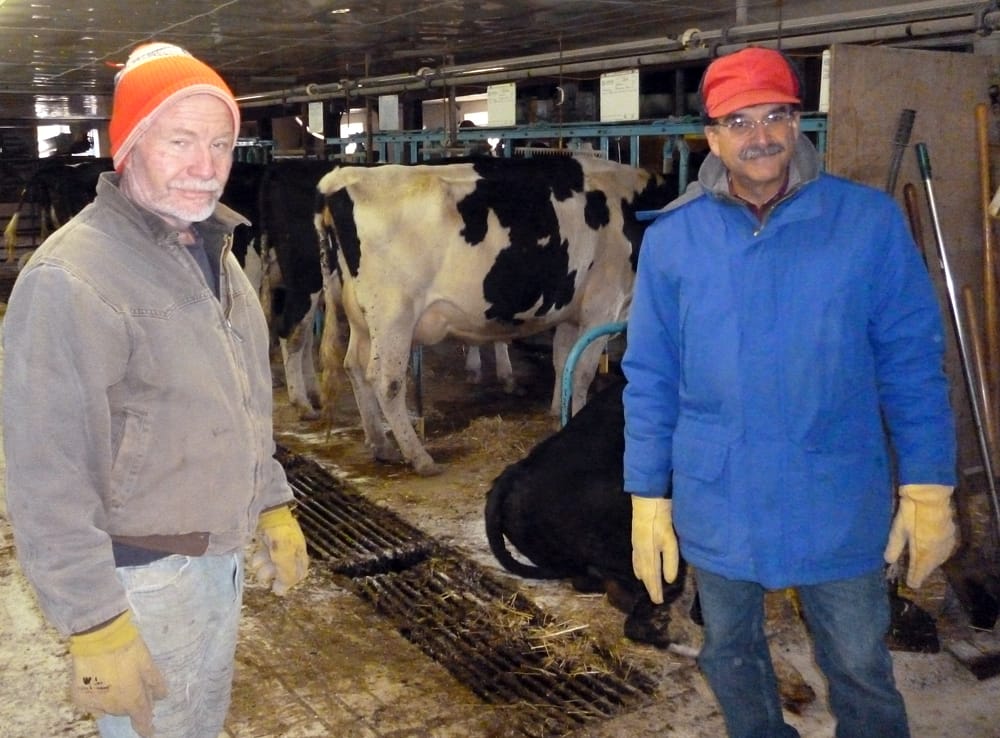
 [/cs_content_seo][/cs_element_layout_column][/cs_element_layout_row][/cs_element_section][cs_element_section _id=”36″ ][cs_element_layout_row _id=”37″ ][cs_element_layout_column _id=”38″ ][cs_element_text _id=”39″ ][cs_content_seo]A New Era in Agriculture\n\n[/cs_content_seo][cs_element_text _id=”40″ ][cs_content_seo]Surely today’s farmers recognize that the current system of producing more and more for less and less will not create their idea of freedom and liberty or a secure future in agriculture for them or for their children. In fact, it will be only a matter of time when crop farming – like most of today’s livestock production – is replaced by corporate farming. Do we have freedom and liberty when we don’t have neighbors or small towns with churches, schools, doctors, and small businesses? Can we really look at ourselves in the mirror if we know that future generations will inherit a damaged environment and society and ask, “What were they thinking? How could they have let this happen?”

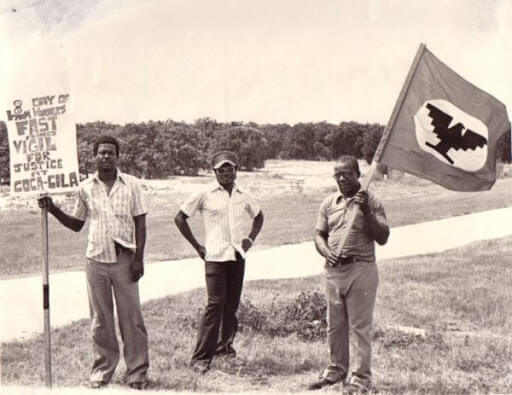 [/cs_content_seo][cs_element_gap _id=”43″ ][/cs_element_layout_column][/cs_element_layout_row][/cs_element_section][cs_element_section _id=”44″ ][cs_element_layout_row _id=”45″ ][cs_element_layout_column _id=”46″ ][cs_element_text _id=”47″ ][cs_content_seo]Messaging Parity in a Language People Can Relate To: Equity\n\n[/cs_content_seo][cs_element_gap _id=”48″ ][cs_element_text _id=”49″ ][cs_content_seo]This is all to say that parity is sometimes not understood and not the language used by all. Equality, equity, and fair prices may be better words. Even when it is understood, it is a luxury. I don’t say this to minimize it, because it is extremely important. We just have to understand that in order to get to this important part of it, some other players on the team, some other members of the coalition have other urgent issues that they see as something they have to get past before they can even get to this.

 [/cs_content_seo][/cs_element_layout_column][/cs_element_layout_row][/cs_element_section][cs_element_section _id=”20″ ][cs_element_layout_row _id=”21″ ][cs_element_layout_column _id=”22″ ][cs_element_text _id=”23″ ][cs_content_seo]We Are Controlled by the Middleman \n\n[/cs_content_seo][cs_element_text _id=”24″ ][cs_content_seo]We have no control over our market prices or our input costs, but the TNCs do. Young and beginning farmers are generally priced out of land purchasing, and government subsidy programs dictate what crops we will grow. Without a subsidy check, there is no reason to grow commodity crops domestically because they are cheaper on the world market. Farmers do what they have to do to survive. We compete with farmers worldwide to see who can work the cheapest while the global market crushes local food production.
 [/cs_content_seo][/cs_element_layout_column][/cs_element_layout_row][/cs_element_section][cs_element_section _id=”41″ ][cs_element_layout_row _id=”42″ ][cs_element_layout_column _id=”43″ ][cs_element_text _id=”44″ ][cs_content_seo]Taking Our Food System Back\n\n[/cs_content_seo][cs_element_text _id=”45″ ][cs_content_seo]In sum, we need to reclaim our food system from the speculators, the corporations, and the international financial institutions that pressure farmers to grow commodities instead of food. It’s time we started producing more food locally again and let the rest of the world do likewise. Time we found the nearest farmers’ market, supported urban agriculture, and planted those window-boxes in Brooklyn and everywhere else. Time to eat like our health really depends on it, because it does. Time we started thinking about food in the big picture rather than whatever happens to be on our plate at the moment, not knowing the story of that food, or worse, not caring. \n\n[/cs_content_seo][/cs_element_layout_column][cs_element_layout_column _id=”46″ ][cs_element_image _id=”47″ ][/cs_element_layout_column][/cs_element_layout_row][/cs_element_section][cs_element_section _id=”48″ ][cs_element_layout_row _id=”49″ ][cs_element_layout_column _id=”50″ ][cs_element_line _id=”51″ ][cs_element_gap _id=”52″ ][cs_element_text _id=”53″ ][cs_content_seo]A Farmer Controlled, Consumer Oriented Food System by Jim Goodman is licensed under CC BY 4.0 International\n\n
 [/cs_content_seo][/cs_element_layout_column][/cs_element_layout_row][/cs_element_section][/cs_content]


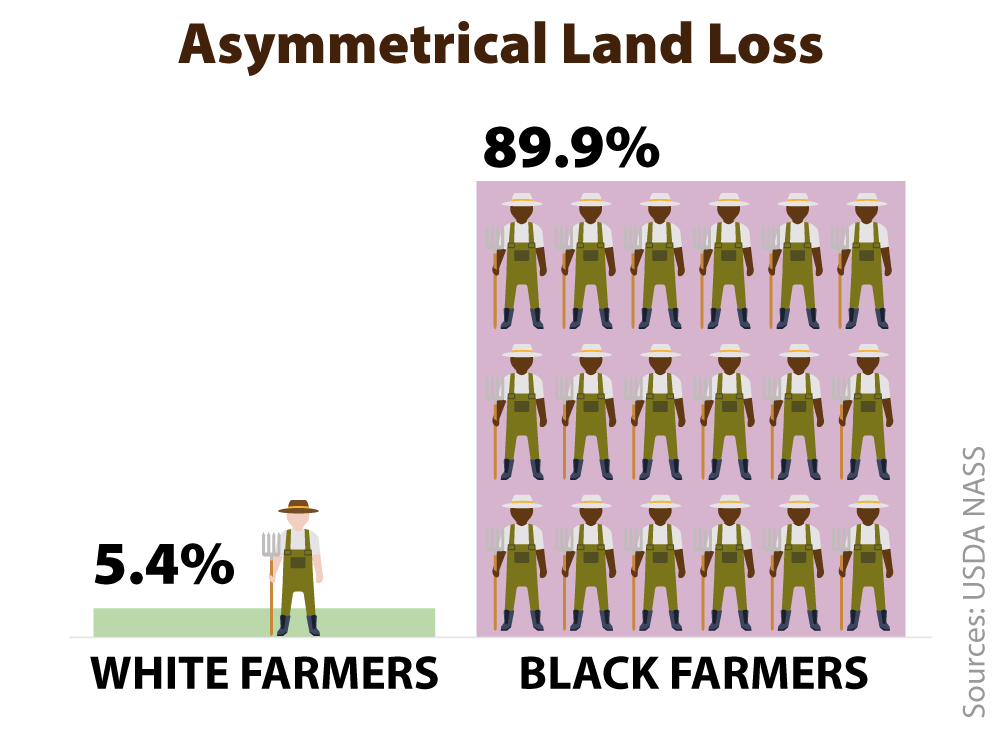
 [/cs_content_seo][/cs_element_layout_column][/cs_element_layout_row][/cs_element_section][cs_element_section _id=”37″ ][cs_element_layout_row _id=”38″ ][cs_element_layout_column _id=”39″ ][cs_element_text _id=”40″ ][cs_content_seo]We Cannot Afford to Leave the Principles of Parity Out of Our Nation’s Farm Policies\n\n[/cs_content_seo][cs_element_text _id=”41″ ][cs_content_seo]Parity principles, including price floors, supply management and grain reserves, are the logical path towards raising farm income while realigning grain production with agroecological principles. This is a necessary basis – not a silver bullet – for addressing today’s farm crisis. Supply management programs will need to be designed so that they do not disproportionately benefit the largest producers while creating barriers for new or historically underserved farmers, one criticism of early New Deal era programs that did not address the needs of landless tenant farmers and sharecroppers.[extra id=”ref27″ href=”#fn27″ title=”Text of footnote 27″ title=”Footnote 27″ info=”popover” info_place=”top” info_trigger=”hover” info_content=”Graddy-Lovelace & Diamond at 78.”][27][/extra] Additionally, we must take other actions to support farmers and rural communities, including enforcing our nation’s antitrust laws to provide farmers with fair and competitive markets, closing loopholes that enable factory farms to evade Clean Water and Clean Air Act regulations, and restructuring our trade agreements so they do not undermine the food sovereignty of farmers and rural communities of all countries, including our own.