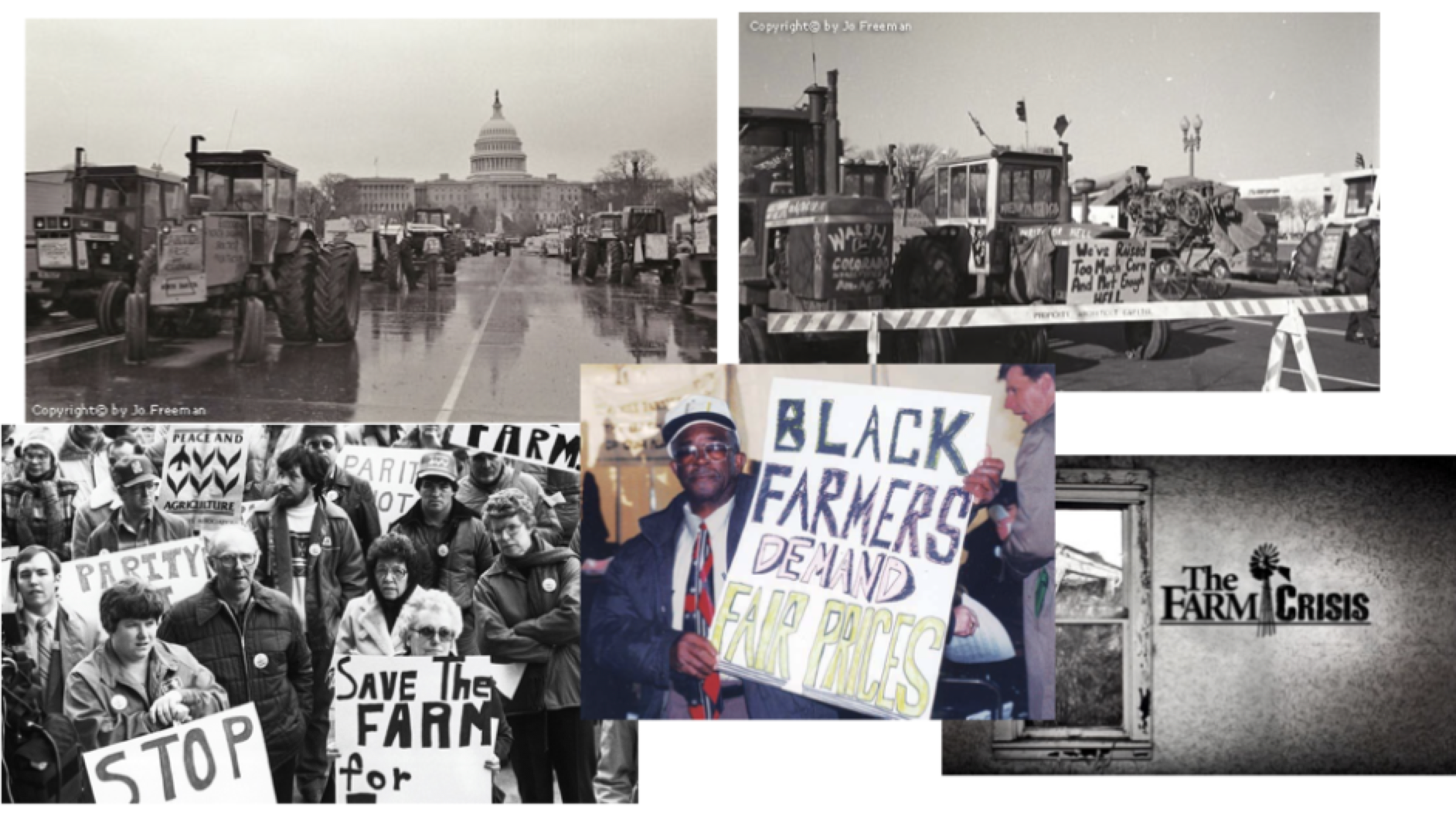
Category: Economic Justice

  • World Farmers: A Model of Community-Driven Parity

    World Farmers: A Model of Community-Driven Parity

    [cs_content][cs_element_section _id=”1″ ][cs_element_layout_row _id=”2″ ][cs_element_layout_column _id=”3″ ][x_button shape=”pill” size=”small” block=”false” circle=”false” icon_only=”false” href=”http://d2p.dreamhosters.com/wp-content/uploads/George-Naylor-Parity_-An-Economic-Foundation-for-an-Agroecological-System.pdf” title=”” target=”” info=”none” info_place=”top” info_trigger=”hover” info_content=”” class=”right hide”][x_icon type=”cloud-download” class=”mvn mln mrs”]Download PDF[/x_button][cs_element_raw_content _id=”5″ ][cs_content_seo][author]\n\n[/cs_content_seo][cs_element_raw_content _id=”6″ ][cs_content_seo][share title=”Share this Post” facebook=”true” twitter=”true” linkedin=”true” email=”true”]\n\n[/cs_content_seo][/cs_element_layout_column][/cs_element_layout_row][/cs_element_section][cs_element_section _id=”7″ ][cs_element_layout_row _id=”8″ ][cs_element_layout_column _id=”9″ ][cs_text _bp_base=”4_4″]Authors: Jacqueline Krikorian (American University School of International Service practicum grad student), Gerardo Bueso (American University School of International Service practicum grad student), Maria Moreira (World Farmers, Rural Coalition), and Jessy Gill (World Farmers)[/cs_text][cs_element_raw_content _id=”11″ ][cs_content_seo]Table of Contents

    1. Introduction

    2. Current Models of Cooperatives, Coalitions, and Grassroots Parity Organizing

    3. World Farmers as a Microcosm of Parity – A new Cooperative Methodology

    4. Flats Mentor Farm as an Illustration of the Community-Driven Parity Example
    5. Conclusion

    \n\n[/cs_content_seo][cs_text id=”one” _bp_base=”4_4″]

    Introduction

    In order to achieve, or even dream, of updating parity through national policy, we must look towards the leadership of community-based agrarian justice groups that are implementing parity principles on a micro-scale. World Farmers, an esteemed leader within the Rural Coalition, stands as a grassroots, community-based immigrant and refugee farmer support organization. Though they do not use the term parity explicitly, they are providing a model for how to  shift from disparity to parity with their innovative, resourceful, and generative ethics of cooperative marketing, supply coordination, and collective bargaining of price floors. Updating parity policies and programs for intersectional justice and agroecological production will require learning from such organizations and their needs, constraints, and articulations of collaborative agrarian viability. 

    Although the 1996 Farm Bill ended price floors for farmers, a variety of supply management techniques, including grain reserves, non-recourse loans, set-asides, price bands or targets comparable to a commodity support level, and cooperative organization had long worked to derail cyclical overproduction.  From a consumer perspective, central media has described farm ‘subsidies’ as the token policy of agrarian support, but in reality these interventions are the antithesis of true parity, supporting agribusinesses far more than small and mid-scale farms. Government subsidy payments made to farmers acted, and continue to serve, as dollar-bill sized bandages on the oozing wounds of supply mismanagement. Though left with the least power, those trying to make a living from farming are the ones who bear most of the burden for the failings, high prices, and inaccessibility of our current food system. As with any enterprise in a free market economy, this blame is falsely attributed. The principal “choice” a farmer has is to increase scale and mechanization in an attempt to meet the low farmgate price, or go out of business.

    [/cs_text][/cs_element_layout_column][/cs_element_layout_row][/cs_element_section][cs_element_section _id=”13″ ][cs_element_layout_row _id=”14″ ][cs_element_layout_column _id=”15″ ][cs_text id=”two” _bp_base=”4_4″]

    Current Models of Cooperatives, Coalitions, and Grassroots Parity Organizing

    To counter this grinding, downward pressure on prices and increasing stress on farmers, farmworkers, and farmland, growers have sought collaborative solutions and developed a range of agricultural cooperatives. In general, cooperatives emerge to offset the failings of unfettered capitalist markets as well as the failings of government to right these market wrongs. Working with a social ethic as well, they expand the focus from solely policy incentives to a broader paradigmatic shift, organizing agrarian communities against the impossible situations they have been presented with. 

    The United States Department of Agriculture (USDA) has attempted to classify cooperatives so as to understand and support their operations.1 The table below outlines a brief introduction to the current models of cooperatives operating within the United States, as laid out by the USDA itself.

    “Co-ops are producer- and user-owned businesses that are controlled by — and operate for the benefit of — their members, rather than outside investors.” USDA

    A co-op can fall into any one or a combination of these categories, and in fact many of them function within some sort of intersection.2 Though cooperative theory tends to have social benefits and identifying principles for groups, these terms must be understood to recognize how many farming communities survive within the operational margins of these current labels.3

    The cooperative method does more than simply increase profit margins and bargaining power for small-scale farmers. These groups offer shared accountability that comes from dividing losses and profits evenly, while encouraging buy-in from farmers, funders, and consumers alike to cultivate paradigmatic change. Building on the cooperative ethic, agrarian coalitions work to mobilize the power of collective action in the face of shared struggles against racism, classism, labor exploitations, and land dispossession. The Rural Coalition/Coalición Rural (RC) and the National Family Farm Coalition (NFFC) stand as two key examples of such coalitional organizing: not only do both umbrella organizations encompass dozens of diverse member groups, such as the Federation of Southern Cooperatives/Land Assistance Fund, but NFFC has a novel and strategic shared leadership partnership with the North American Marine Alliance – linking aquatic and land-based organizing. Moreover, RC and NFFC, historically deeply aligned and collaborative themselves, both comprise key US members of the transnational agrarian network of La Via Campesina.4

    Ultimately, this vast and growing network of multi-scalar cooperatives and coalitions provides a lens into what parity could look like, updated and expanded from its original iteration a century ago. NFFC has long centered agricultural parity, by name, in its advocacy, while Rural Coalition and other agrarian justice organizations have long centered fair prices for diverse farmers and fair working conditions for farmworkers. Going one step further, a closer look at key agrarian justice organizations shows how their cooperative structures articulate and actualize key principles of parity – though not in explicit name. Nevertheless, connecting commitments to fair farmgate prices, coordinated supply, and collective good demonstrates how frontline organizations are intuiting parity principles in innovative, resourceful, generative, and inspiring ways. 

    In order to reconcile the classist and racist policies the US agriculture system is built upon, we must look to those working the ground to inform our policy decisions nationwide.  To examine a real-world example of what 21st century parity could look like, we look to World Farmers, a group that advocates for and supports immigrant, refugee, and historically underserved small-scale farmers from farm to market. A longstanding member group and leader within Rural Coalition, World Farmers’ model is not like a traditional farm incubator program, grower’s association, cooperative, or food hub; their services encompass all those roles and more. By understanding the nuances of their community-led, farmer-focused organization, we are able to see how parity principles – even those not named explicitly as such – can cultivate diverse, secure, and equipped communities. 

    [/cs_text][cs_element_text _id=”17″ ][cs_text id=”three” _bp_base=”4_4″]

    World Farmers as a Microcosm of Parity – A New Cooperative Methodology

    World Farmers’ mission is to honor the dignity and passion of immigrant and refugee farmers to grow food vital to their culture and communities, and to provide support to each farmer in their endeavors to do so. Organized as a nonprofit nearly three decades after programming initially began, their mission was not drafted, it was lived. The organization was developed out of need and program development continues to be driven and shaped by each program farmer. Their programming first began because of a refugee farmer’s bravery in asking for land when her family and community had a great need, and the kindness of an immigrant farmer who offered land because they knew what it was like to lack. That land became known as Flats Mentor Farm. Now, World Farmers supports farmers along every step of the learning process, facilitating mentorship spaces across farmers and cultures and cultivating a shared space among individuals of like backgrounds so that farmers can learn together and from each other, and can be inspired by those who have come before them.

    The organization’s Executive Director, Henrietta Isaboke, moved to Massachusetts with her family from Kenya in 2001. Her mother learned about and joined the Flats Mentor Farm program in 2004, and Henrietta farmed alongside her mother and father for years before joining the family business in 2010. Once she joined the World Farmers team, Henrietta left her family business to her mother who now brings her granddaughters – Henrietta’s daughters – to farm alongside her. This multigenerational agrarian approach is common in the Flats Mentor Farm program, an initiative which does not ‘graduate’ farmers from the land. World Farmers is working with the farmers at Flats Mentor Farm to develop a FMF Farmer Land Committee to build leadership and autonomy among program farmers, and where farmers may discuss issues that arise on the farm, make decisions on land management and infrastructure development, and engage with World Farmers staff to continue to shape their programming. At the moment, the organization operates six land sites totaling over 100 acres in Massachusetts. The FMF Farmer Land Committee facilitates leadership development and allows space for farmers to implement a community-based governance board. 

    As a nonprofit, World Farmers offers service beyond those of typical farmer training programs in the US.5 Farmers in the Flats Mentor Farm program seek land and opportunity to feed their families the crops of their culture and rebuild their family’s cultural roots. Many of them go on to build a sustainable farming enterprise, specializing in production and marketing of cultural crops to diverse consumers in Massachusetts and beyond. The program offers hands-on experience and assistance to the next generation of farmers and provides immigrant and refugee farmers a chance to contribute to their family’s health and wealth. In a four-phase mentorship program, farmers teach one another from their personal struggles entering new markets, experimenting with new crop production, all while fostering a spirit of comradery rather than competition. 

    One of the many services World Farmers provides to Flats Mentor farmers is access to wholesale markets through aggregation, sale, and distribution of products. Presenting program farmers with the knowledge that their product will be bought after harvest functions within the traditional cooperative methodology, but allows for extra benefits as well. For example, World Farmers works with the farmer to establish a fair market value for any new cultural crops they want to  market, and takes on the risk of crop trials as they build customer familiarity and awareness of the new crop. For retail markets, if a farmer is thinking of growing a certain crop but is unsure of how well it will sell at market, World Farmers will coordinate a farmer to farmer exchange, allowing a producer to take another program farmer’s product to market to assess saleability. This provides the producer with knowledge of consumer demand at low-risk to the farmer. This process is of particular importance as farmers are expanding to production of crops outside of their cultural expertise, increasing access for other cultural communities. Additionally, World Farmers assists with technology and equipment access and training of electronic payment softwares for producers who go to market, and signing up and maintaining certification and processing of programs which increase access for low-income consumers such as WIC and SNAP. World Farmers also provides hands-on support in production, post-harvest handling, and food safety certification to ensure all crops sold are up to market standard; and provides access to external resources such as USDA, including the NRCS EQIP High Tunnel program. 

    World Farmers sees what true parity looks like as it organically grows from a community that values and prioritizes farmers. The immigrant experience in the United States is often an isolating, confusing, and lonely journey. That is, until one begins to build up a community of familiarity once again. Things like smelling a traditional meal being cooked, an offering with no expected reciprocation, or the kindness of a smile across a language barrier cultivates hope and belonging. When you bring together cultures that view agrarian knowledge as a sacred and vital way of life, you end up with a system much more nuanced and culturally influenced than a traditional cooperative or aggregator. You build a small family, a place for immigrant-immigrant knowledge transfer rather than expert-student transfer. Flats Mentor Farm exemplifies how current USDA terminology and definitions limit the understanding of parity principles at the community level.

    [/cs_text][cs_element_text _id=”19″ ][cs_content_seo]Flats Mentor Farm as an Illustration of the Community-Driven Parity Example
    \n\n[/cs_content_seo][cs_text id=”four” _bp_base=”4_4″]

    While traditional cooperative and food hub systems offer market avenues, they do this from a perspective of business and economic viability. World Farmers, through its Flats Mentor Farm program, embraces the dynamics of market economics while relying on an underlying culture that emphasizes a strong sense of community, co-responsibility, and solidarity to drive parity in access to land, infrastructure, pricing standards, and competition among its members.

    The Flats Mentor Farm model evokes and practices agroecological principles of “economic diversification, co-creation of knowledge, social values and diets, fairness, connectivity, land and natural resource governance, and participation”. These serve as a testament to the strength and resilience of agroecological principles in beginning farm operations and sustainable farming, even though World Farmers does not set out to establish itself as an agroecological model. Rather, the organization embraces these principles as part of the set of norms that govern the way they work, the diverse composition of Flats Mentor farmers, and their mentorship methodology that strives to incubate resilient farmers and business owners that can be self-sufficient. World Farmers’ emphasis on farmers’ accountability for their own parcel of land and the communal norms that all live and abide by provides for the conditions for food sovereignty in the microcosm of the World Farmers community. The values of solidarity, equity, integrity, and respect for the land creates the conditions for farmers to freely share knowledge and the psychological safety of knowing that the land they have is theirs to use. Furthermore, the phased mentorship allows for farmers to set their own expectations and aspirations, ensuring them land for self-sufficiency or land to build their food business and eventually guide them into acquiring their own land. In this sense, World Farmers acts as part of the safety net of the food system, allowing farmers to integrate, learn, grow, and become business people themselves.

    The go-to-market strategy at World Farmers is also governed by the same values and agroecological principles that permeate the organization. This means that farmers self-organize to attend to certain geographic markets without meddling or intruding on each other,  and agree to abide by set price floors. In fact, Flats Mentor farmers establish and agree annually to non-compete rules for operations at farmers’ markets and community markets, which allows each farmer to sell and build a strong customer base without direct competition from their fellow program farmers. By offering methods of continued education, business advising, and market protections, World Farmers embodies parity price floors and supply management, all from the farmer-first standpoint, rather than the rampant neoliberal economy-first perspective. These rules are uniquely accorded based on “handshake” principles. This works in the case of World Farmers because of the underlying values and principles they operate within. There’s a deep sense of moral obligation, but also a solidarity that binds the community together based on shared experiences. 

    Additionally, World Farmers helps guide farmers to access retail markets, as well as facilitating wholesale opportunities  through aggregation and distribution activities, ensuring farmers a fair market price for their produce. It’s also important to note that planned crop planting is a complement to the farming operation without taking away the autonomy each farmer has in their business decisions. Many of the crops Flats Mentor farmers grow are culturally and personally important to them. The principle of respect for the land – the farmland and the motherland – is part of their mission, thus most farmers’ planting decisions are made first and foremost to ensure supply of cultural crops through the winter months for their families and communities. However, the immense solidarity among the farmers and strong cooperation among them allows World Farmers to engage and supply the market’s food needs.

    [/cs_text][cs_element_text _id=”21″ ][cs_content_seo]Conclusion
    \n\n[/cs_content_seo][cs_text id=”five” _bp_base=”4_4″]

    As covered above, the need for federal parity pricing and supply management is pertinent as we approach the next Farm Bill. The Flats Mentor Farm program of World Farmers is a glimpse into what parity can look like when we allow ourselves to learn from those on the ground, prioritizing farmers in a relational and honest way. Additionally, without centering racial and immigrant justice into our fight for parity, we miss an intersection that writes centuries of skilled agrarians out of the story. History will not only judge us for how we proceed, but also for who we leave behind. Parity is an inclusive fight for justice, agrarian viability, and opportunity for our skilled farmers to thrive within their desired profession. Without group missions like World Farmers, we lack ideas of community and collaboration that are strongly defined in other global cultures that we need for a holistic approach to food justice. In a country that often deliberately overwrites the history of how it came to be, it must be noted that healing and reconciliation are not yet complete within marginalized communities. This has led to a distrust that federal policies can work for farmers of color, making it all the more pertinent to call for intersectional agrarian reform. 

    In a new, radical, imaginative space of a socially just era of agriculture, we must look to these communities building from their core values as models of inspiration rather than direct replication. While parity sets the foundation for livelihoods in agriculture, it does not take away the potential for communities to define their own pathways towards food sovereignty based on their cultural, social, and economic values and histories. 

    [/cs_text][cs_element_line _id=”23″ ][cs_text _bp_base=”4_4″]

    1 Krikorian, Jacqueline. 2022. Literature Review. “The Potential of Migrant Farming Cooperatives”.
    2
    The National Agriculture Law Center. “Cooperatives-An Overview”. The Nation’s Leading Source of Agricultural and Food Law Research and Information. 2022.
    3
    Royer, S. Jeffery. US Department of Agriculture. “Cooperative Theory: New Approaches”. Service Report 18. July 1987.
    4 La Via Campesina comprises about 150 local and national organizations in 70 countries from Africa, Asia, Europe and the Americas. Altogether, it represents about 200 million farmers. La Via Campesina currently  represents the largest organization of peasant workers on Earth. 
    5 Many farming programs in the United States allow people to be trained in agricultural production and entrepreneurship, but upon finishing these programs farmers have the potential to be left land-less. Thus, without the resources to continue their businesses, skilled farmers face the threat of extended careers as  farm laborers, service workers, or other disenfranchised land-workers. 

    [/cs_text][/cs_element_layout_column][/cs_element_layout_row][/cs_element_section][cs_element_section _id=”25″ ][cs_element_layout_row _id=”26″ ][cs_element_layout_column _id=”27″ ][/cs_element_layout_column][/cs_element_layout_row][/cs_element_section][/cs_content]

  • Land Occupations, Parity, Community

    Land Occupations, Parity, Community

    [cs_content][cs_element_section _id=”1″ ][cs_element_layout_row _id=”2″ ][cs_element_layout_column _id=”3″ ][x_button shape=”pill” size=”small” block=”false” circle=”false” icon_only=”false” href=”http://d2p.dreamhosters.com/wp-content/uploads/George-Naylor-Parity_-An-Economic-Foundation-for-an-Agroecological-System.pdf” title=”” target=”” info=”none” info_place=”top” info_trigger=”hover” info_content=”” class=”right hide”][x_icon type=”cloud-download” class=”mvn mln mrs”]Download PDF[/x_button][cs_element_raw_content _id=”5″ ][cs_content_seo][author]\n\n[/cs_content_seo][cs_element_raw_content _id=”6″ ][cs_content_seo][share title=”Share this Post” facebook=”true” twitter=”true” linkedin=”true” email=”true”]\n\n[/cs_content_seo][/cs_element_layout_column][/cs_element_layout_row][/cs_element_section][cs_element_section _id=”7″ ][cs_element_layout_row _id=”8″ ][cs_element_layout_column _id=”9″ ][cs_element_raw_content _id=”10″ ][cs_content_seo]Table of Contents

    1. Occupying Land, Building Markets

    2. From Brazil to Wisconsin

    3. Back to Brazil

    \n\n[/cs_content_seo][cs_text _bp_base=”4_4″]

    Occupying Land, Building Markets

    In 2011, I was living in Brazil, doing research for a book about the Landless Workers Movement (Movimento dos Trabalhadores Rurais Sem Terra, or MST). The movement has gained lots of attention, especially for its strategy of occupying land to demand agrarian reform. For those unfamiliar with the tactic, hundreds, or sometimes thousands of people squat on a part of some large-scale ranch or farm. And by large, I mean large – we are talking thousands upon thousands of acres. One ranch that was the target of the movement’s actions in the 1980s – Fazenda Annoni – was over 20,000 acres.

    What allows the MST to occupy land is the social function of property principle that exists in Brazilian law. According to the law, if large-scale landowners let their operations fall out of production for an extended period of time, or in some cases, keep slaves instead of paying their workers, then the government may take their holdings and redistribute them to others. To ensure that the state takes the land from owners who break the law, the movement draws attention to an operation by occupying it.

    Since emerging in the early 1980s, the movement has mobilized over 1.5 million people and helped members acquire over 350,000 acres.

    Like most people who have heard of the movement, I was interested in the occupations. Yet, I was also interested in what happened after land was redistributed. I mean, there is plenty of inspiring imagery that exists of the MST organizing displaced farmers, rural workers, and marginalized people from cities in occupations. But how do these folks who become farmers keep the land that they fought so hard to access?

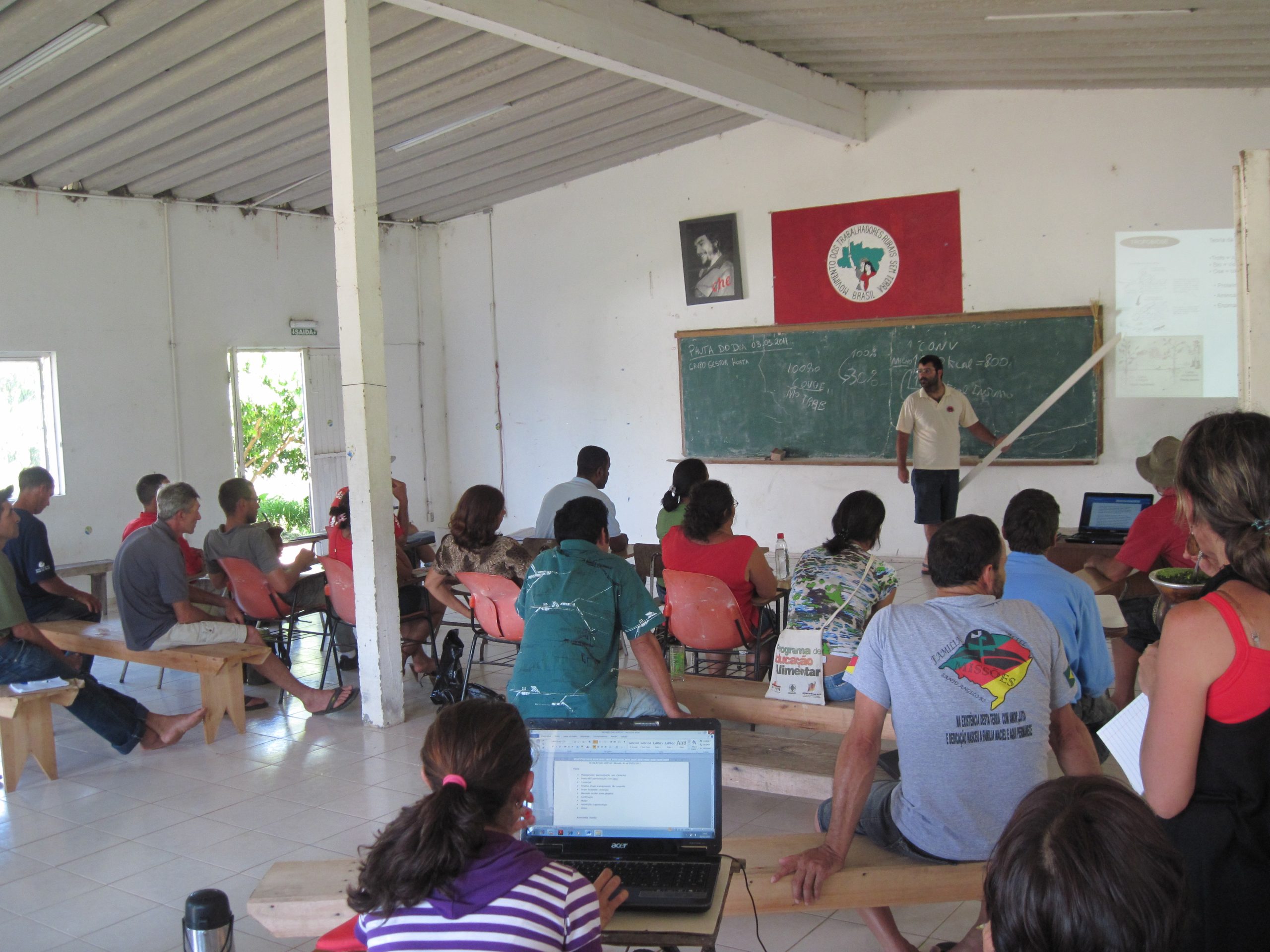
    This part of the story led me to discuss with movement organizers the many other things that people struggle for besides land. For instance, the MST pressures state authorities to build schools. Once built, the movement then works with authorities to staff those spaces with allies. The MST also demands that state agencies provide technical assistance to new farmers. Similarly, the movement works with the government to hire people who have been trained in agroecology. Several universities in Brazil offer such training. The MST has a series of its own schools that partner with these institutions.

    This is an MST-trained extension agent discussing with movement members agroecology in a school in the state of Rio Grande do Sul. Photo by Author.

    Another critical element in this story is how the MST demands public policies to assure decent prices for their farmer members. After all, as important as a school is to a community, so are policies that enable the adults in the area to make a living.

    One example of such a policy is PNAE (Programa Nacional de Alimentação Escolar/Brazilian National School Nourishment Program). PNAE functions by assuring that a certain amount of produce that schools receive comes from small-scale producers in surrounding areas.

    This is an MST-trained extension agent discussing with movement members agroecology in a school in the state of Rio Grande do Sul. Photo by Author.

    There is also the PAA (Programa de Aquisição de Alimentos/Program of Food Acquisition). This program functions by the government purchasing produce directly from small-scale producers, then providing it to vulnerable communities who seek healthy food at places such as hospitals or food banks. Moreover, the program keeps reserves of many products, including grains, fruits and vegetables, and seeds. Taking product off the market at certain times, as the PAA does, functions to raise prices when they fall below a certain point.

    Learning about the movement activities and these public policies made me think of one word – parity.
    [/cs_text][/cs_element_layout_column][/cs_element_layout_row][/cs_element_section][cs_element_section _id=”12″ ][cs_element_layout_row _id=”13″ ][cs_element_layout_column _id=”14″ ][cs_element_text _id=”15″ ][cs_content_seo]From Brazil to Wisconsin
    \n\n[/cs_content_seo][/cs_element_layout_column][/cs_element_layout_row][/cs_element_section][cs_element_section _id=”16″ ][cs_element_layout_row _id=”17″ ][cs_element_layout_column _id=”18″ ][cs_text _bp_base=”4_4″]While I never heard an MST activist speak of parity specifically, my grandfather talked about it a lot when I was growing up. He was particularly active in the National Farmers Organization (NFO) in the 1960s and 1970s. At this time, my family and our neighbors who also were dairy farmers, dumped milk to limit production and demand better prices from processors.

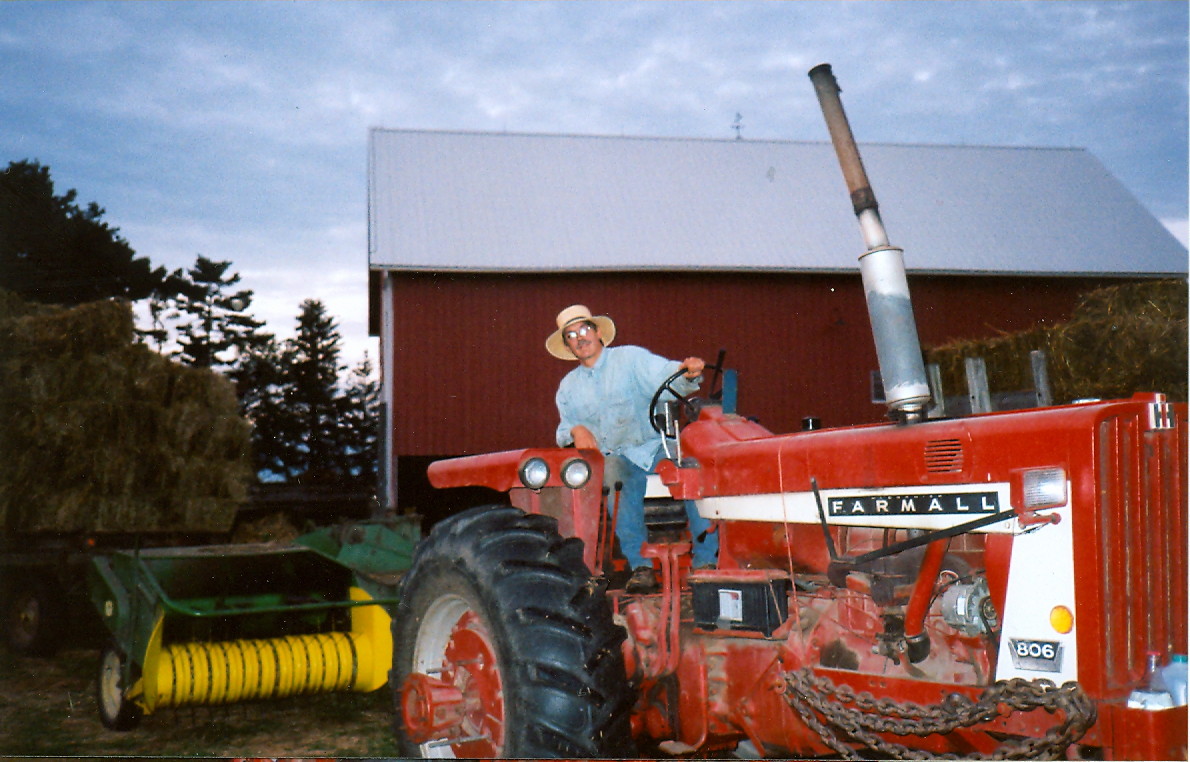
    I grew up on our family’s dairy farm, which is in Eastern Wisconsin. My family still retains the land, but the cows are gone. What hit us particularly hard were the changes that came in the 1981 Farm Bill, which essentially removed pricing provisions for dairy. Then drought hit. I remember walking in the fields with my grandfather, with cracks so deep that you could drop and lose a roll of quarters. Having to buy feed when we couldn’t grow our own added to our debt. Our farm increasingly became financially unstable. Those that expanded operations with more cows increased production to earn more. As they did so, they drove prices down as milk supply surpassed demand.

    We managed to stick it out, for a time.

    My mom, from her off farm job at the school, helped the farm stay in operation. Such a situation is way too common. Of the approximate 2 million or so operations in existence in 2019, 72 percent required non-farm earned income to survive.

    Digging deeper into these figures reveals systemic problems.

    Specifically, we can look to the USDA’s parity pricing metric. As we are learning from the Disparity to Parity essays, parity includes discussions of environmental sustainability and racial justice. The New Deal basis for parity policies, as George Naylor and Brad Wilson explain, focus on ensuring a fair income for farmers. In this way, the metric itself assesses not only cost of production measurements for agricultural inputs, but also non-farm expenses such as clothing and healthcare. The measurement identifies prices that a farmer should receive so that their net income would be commensurate with what non-agricultural laborers receive.

    What we see is that from 1970 to 2018, the prices that farmers received as a percentage of the parity metric, on average, went from 62 percent to 29 percent.1

    Data from USDA; assembled by Author. For every year, I took the parity percent price from December. Files available here.

    There are a few things to note here. First, this consistent decline in the percent of the parity price that farmers receive is a sign of their overall diminishing purchasing power. This means not only less for fuel and seed, but also for items such as clothes. Basically, for a farmer, it was easier to buy a car in the 1970s than it is now. Less income also means less taxes, which translates into fewer services and poorer infrastructure in rural areas.

    Meanwhile, people have adapted, but not in the best ways. Like my mother, many others use off-farm income to make up for dismal farm revenues. Some farmers, in their attempt to keep incomes decent, scaled-up, and engaged in overproduction. Many others have simply quit.

    [/cs_text][cs_element_text _id=”20″ ][cs_content_seo]Back to Brazil
    \n\n[/cs_content_seo][cs_text _bp_base=”4_4″]While the MST is not perfect, there is something that their vision of agriculture teaches us. They do not use the language of parity explicitly in their demands, but they seek fair incomes. They struggle for public policies that strengthen local, sustainable markets. The movement also works to build communities with functioning schools.

    Functioning schools are places where teachers do not have to work to keep a relative’s farm financially afloat. Moreover, policies allow for farmers to be paid enough as they feed people in their neighborhood, perhaps even the children at area schools.

    Photo by Author’s grandma. Pahnke family and one of Anthony’s prize Jerseys. Taken some time in the 1990s.

    Perhaps just as important in this story is how the MST is willing to fight for these things. They demand land for farming, transforming large-scale unproductive operations into local, decentralized farms. We need policies that lead us in a similar direction; instead of driving wealth out of our rural communities, we need initiatives that allow us to thrive. This is why the call for parity is hopeful, seeking to keep families in the countryside and create opportunities for new farmers to work the land.

    1This calculation is based on what are called the “basic commodities” in the Farm Bill, namely, wheat, cotton, corn, hogs, rice, tobacco, and milk.

    [/cs_text][/cs_element_layout_column][/cs_element_layout_row][/cs_element_section][cs_element_section _id=”22″ ][cs_element_layout_row _id=”23″ ][cs_element_layout_column _id=”24″ ][cs_element_line _id=”25″ ][/cs_element_layout_column][/cs_element_layout_row][/cs_element_section][/cs_content]
  • Reflections on the World’s Largest and Longest Protest: Parity as the Unifying Call

    Reflections on the World’s Largest and Longest Protest: Parity as the Unifying Call

    [cs_content _p=’1217′][cs_element_section _id=”1″ ][cs_element_layout_row _id=”2″ ][cs_element_layout_column _id=”3″ ][x_button shape=”pill” size=”small” block=”false” circle=”false” icon_only=”false” href=”http://d2p.dreamhosters.com/wp-content/uploads/George-Naylor-Parity_-An-Economic-Foundation-for-an-Agroecological-System.pdf” title=”” target=”” info=”none” info_place=”top” info_trigger=”hover” info_content=”” class=”right hide”][x_icon type=”cloud-download” class=”mvn mln mrs”]Download PDF[/x_button][cs_element_raw_content _id=”5″ ][cs_content_seo][author]\n\n[/cs_content_seo][cs_element_raw_content _id=”6″ ][cs_content_seo][share title=”Share this Post” facebook=”true” twitter=”true” linkedin=”true” email=”true”]\n\n[/cs_content_seo][/cs_element_layout_column][/cs_element_layout_row][/cs_element_section][cs_element_section _id=”7″ ][cs_element_layout_row _id=”8″ ][cs_element_layout_column _id=”9″ ][cs_element_raw_content _id=”10″ ][cs_content_seo]Table of Contents

    1. Introduction
    2. A Culture of Resistance and Nascent Farmer-Laborer Solidarity

    3. Summary of Key Developments from the Morcha

    4. Fairness for Food Producers: Price Floors as Parity
    5. Building a Global Farmers Movement for Justice

    \n\n[/cs_content_seo][cs_text _bp_base=”4_4″]

    Peaches. The first fruit my grandparents picked as immigrant farm workers was that fuzzy stone fruit. Agriculture is our culture. And resistance, our act of preservation.

    I am the daughter of small-scale farmers from eastern Punjab. After struggling to make ends meet, my grandparents migrated to California in 1978. As with most uneducated Punjabi Sikh immigrant peasants, they picked fruit in the fields of Yuba City for little pay.

    Growing up in a community of Punjabi Sikh immigrants so connected to soil and farming led me to represent migrant farmworkers in my first job as an attorney. The largest and longest sustained protest in my ancestral home inspired me to return to this work.

    Over the past year of supporting the Indian Farmers Protest from afar and learning more about Disparity to Parity, it is clear that parallel agrarian movements all reflect back to one truth. To achieve fairness for food producers in our globalized food system, we must embrace parity as the unifying call. Parity is fairness at the farmgate and includes concepts such as price floors or minimum support prices, which are adjusted for inflation. This essay serves to connect the Indian Farmers Revolution to the common calls for economic justice in furtherance of a global farmers movement.

    [/cs_text][/cs_element_layout_column][/cs_element_layout_row][/cs_element_section][cs_element_section _id=”12″ ][cs_element_layout_row _id=”13″ ][cs_element_layout_column _id=”14″ ][cs_element_text _id=”15″ ][cs_content_seo]A Culture of Resistance and Nascent Farmer-Laborer Solidarity
    \n\n[/cs_content_seo][/cs_element_layout_column][/cs_element_layout_row][/cs_element_section][cs_element_section _id=”16″ ][cs_element_layout_row _id=”17″ ][cs_element_layout_column _id=”18″ ][cs_text _bp_base=”4_4″]Punjab, the land of five rivers, is well known as the food bowl of India, responsible for alleviating the people of a US “aid-driven” to “ship-to-mouth” existence. Since its annexation in 1849, Punjab has been a hub of agrarian resistance and state repression. The post-colonial selection of Punjab for the “green revolution,” which was far from green, strengthened US-led private fertilizer companies and India as a nation – at the expense of the soil, water and people of Punjab.1

    The region has witnessed multiple agrarian movements demanding an increase in the Minimum Support Price (MSP) from the 1970s to the present. Mobilizing to unite against brutal dictators and capitalist agriculture is a living memory in the Punjabi ethos. The traditional songs, ceremonies, poetry, literature and general cultural vibe reflect this reverence for the land as a great mother. Pavan Guru Pani Pitha, Matha Dharath Mahath. A simple translation of my favorite Sikh scripture teaches us that the Air is the Guru, Water is the Father, and Mother Earth is the greatest of all. This sentiment explains the steadfast commitment amongst the farmers to their cause.

    On June 5, 2020, the right-wing government led by the Bharatiya Janata Party (BJP) promulgated three “farm bills.” In reality, these “farm bills” were privatization laws designed to deregulate India’s agricultural sector. Under the guise of much needed economic reform, corporate houses, such as Ambani and Adani, could hoard grain, easily purchase farmland and control a market – free of taxes and a price floor. The Indian farmers accurately interpreted this strategically timed corporate handover as a direct threat to their livelihood.

    In a classic case of disaster capitalism, these bills were rammed through the Indian parliament in September 2020 during a nationwide lockdown. The video footage shows the chaotic repression of debate and discussion. Procedurally flawed, these bills became laws in an undemocratic fashion, devoid of due process. And substantively unlawful, it was also an unconstitutional encroachment by the central government in an area it lacked jurisdiction. Under the laws of India, the subject of agriculture is solely within the purview of the state governments.

    Anti-worker legislation has made it tougher for workers to organize, increased work hours and removed overtime protections. These measures to weaken labor laws are advanced to attract foreign investment. In the capitalist agriculture system, low wage workers and peasants are “inextricably linked”. The potential for class unification under the common banner of much commentary and analysis has been devoted to this unique feature of the farmers’ revolution: farmer and farmworker solidarity.

    Kisaan Mazdoor (Farmer Laborer) labor unions led a strategic organizing campaign. This unique and previously unforeseen alliance between farmers and landless farmworkers forged a formidable opposition to the extractive economic agenda of the Modi regime. In many ways, their struggles are interconnected, sharing parallel threads to a globalized food system where “farmers are going bankrupt while people are going hungry.” Arguably, “farmworkers” is a more accurate term to describe the farmers of this historic resistance. The average Indian farmer owns one to four acres of land. According to the World Trade Organization (WTO), 99.43 percent of Indian farmers are low income or resource poor. It is an ironic picture when those who feed a nation go hungry.

    [/cs_text][cs_element_text _id=”20″ ][cs_content_seo]Summary of Key Developments from the Morcha
    \n\n[/cs_content_seo][cs_text _bp_base=”4_4″]The “Dilli Chalo” (let’s go to Delhi) movement was the outcome of an entire season of organizing in summer 2020 by farmer unions in the states of Punjab and Haryana. They visited villages with pamphlets explaining the three ordinances in detail. These tactics to mobilize the peasantry are strikingly similar to the hallmark practice of “house meetings,” among the United Farmworkers Union fighting for dignity and equality under the leadership of Cesar Chavez and Dolores Huerta in California. Other notable techniques and strategies are described further below.

    Fall 2020

    The resistance grew in September 2020 during “Rail Roko,” where farmers and laborers blocked the railroads in Punjab at multiple junctures. They blocked toll plazas and protested in front of the offices of elected leaders against the passage of these laws. Over the next several weeks, previously disjointed farmers unions and organizations would begin to unite and coalesce.

    In late October 2020, the growing alliance, which included the All India Kisan Sangharsh Coordination Committee, gave a call for the farmers to hold a “chakka jam” (road blockade) on November 5. By November 7th 2020, 32 disparate farmer unions joined as one to form the Samyukt Kisan Morcha – a joint alliance to lead hundreds of thousands farmers in a long fight. Morcha refers to an organized rally in Punjabi. Kisan Ekta Morcha is the main digital arm of the farmers protest and is the mouthpiece for SKM. A call was issued for the farmers to prepare for “Dilli Chalo” (let’s go to Delhi) on November 26.

    The national shutdown was jointly organized by ten central trade unions representing over 250 million workers across multiple sectors. The General Strike on November 26, 2020, was the largest nationwide strike in world history. Workers hailed from the public sector, transportation, banks, insurance companies and retail. In a powerful display of unity, the workers of India chanted: “[w]e are with the farmers.”

    Rural farm in the US (top left) and scenes from the tent-cities at the Delhi border. Image Credit: NFFC Library and Indra Shekhar Singh.

    This massive demonstration was a direct response to oppressive labor laws rammed through by the Modi regime in a similar fashion to the farm laws. Here, we see more seeds of inter-sector solidarity sprouting between the urban worker and the rural peasantry.

    Hundreds of thousands of farmers from Punjab, Haryana, Uttarakhand and other states began a caravan of tractor-trolleys, jeeps, cars and motorcycles with Delhi as the final destination. Over the next few days, a mass movement of farmers marched towards Delhi but were blocked by hundreds of thousands of armed police and paramilitary officers firing water cannons, rubber bullets and tear gas. Even the elderly were not spared from lathi-charges (physical attack by police baton). These farmers persisted past fourteen-foot-deep ditches dug to trap their tractors.

    Instead of acquiescing, the protesting farmers decided to indefinitely occupy the locale in which they were blocked. On the highways leading to the Capital of Delhi, they built tent cities, fully prepared for the serious long haul with rations, tools and equipment.

    In late November 2020, more than 20,000 women reached the Tikri border protest site led by a female farmers union president, Harindher Bindhu, President of BKU. Bindhu epitomizes the umbilical link to land ubiquitous among the protesting farmers. She explained that “the government wants big farms, with big machines, like in California…the land is our mother. It’s our sustenance. It’s worth our life.” Over the next few weeks, farmers occupied more toll plaza sites and an additional tent city bloomed on the Shahjahan freeway entrance.

    On November 27, 2020, I joined other Diasporic Punjabis, before the Indian embassy in Washington, D.C., to protest the brutal human rights abuses against peaceful protestors. Both international and intergenerational in scope, Indians from the diaspora of all ages engaged in protests from “kisaan sleepouts” on metropolitan streets to car rallies during the height of COVID 19. An activist lawyer from England, Daljit Singh, said that ​“[o]ur voices are our weapons….We are not going to abandon our elders who have been fighting on the frontlines.”

    Art is a tool for solidarity building. The collaborative art series led by Oakland-based South Asian female graffiti artist, Nisha Kaur Sethi, is just one of many ways in which Diasporic Indians engaged in creative advocacy online. The purpose of the series was to raise awareness that “over a quarter of a billion people are organizing for farm workers rights and fighting to protect the Earth from corporate greed and government corruption.” Another aim of the series was to build solidarity between India and the global diaspora.

    Protesters at the “March on Washington for Human Rights” in Washington, D.C. on March 20, 2021. Image Credit: Gayatri Malhotra on Unsplash.

    We mobilized across oceans and time zones and became “morcha siblings” from the “Third Punjab” made up of the diaspora outside of eastern and western Punjab. A revived sense of community was formed online. Some of us were retriggered with the unprocessed trauma and pain of the Sikh Genocide of 1984, the partition of 1947 and countless struggles in between and thereafter. But in organizing and supporting the movement from afar, we began to heal intergenerational wounds with a sense of jazba (passion) and himmat (courageous effort).

    Winter 2020

    On December 9, 2020, Congressman John Garamendi (D-CA) and others wrote a public letter to the US Ambassador to India, Taranjit Sandhu, against the violation of the farmers’ rights to peaceful protest. A few weeks later, the US Congressional Record would memorialize the words of Congressman Andy Levin condemning what he termed state sanctioned violence against the peaceful protestors.

    Others would tweet and offer soft support but no one directly called out the elephant in the room. The substance of these laws that stood to enrich corporate agriculture was never challenged. Instead, the governments of the United States and Canada signaled support for these laws as efficient market reform.
    That winter many farmers suffered from the bitter cold and some even froze to death. A death toll ticker website was created by a daughter of farmers, Anoroop Sandhu, to memorialize the martyrs of the movement.

    On January 26, 2021, the Modi regime celebrated an opulent 72nd anniversary of India’s constitution while thousands of farmers marched on foot and on tractors from their tent cities on the highway through the unfamiliar streets of New Delhi. I watched that day with a twisted stomach as the local Punjabi news aired footage of police violence against protesters. Tensions further escalated earlier that morning when the barricades were not removed at the previously stated time. Farmers on the ground recounted the chaos which resulted from the protesters being intentionally ciphoned to unfamiliar routes. Most of these farmers had never stepped foot outside their villages until this mass movement.

    Although Wikipedia accounts paint the protesters as having “deviated from the pre-sanctioned routes” there is no account of the police violence preceding this event. Recently married 25-year-old Navreet Singh was shot while on his tractor, but the truth was covered up by the Delhi police. A doctor from Mandeep Punia, was arrested and tortured for trying to do his job.

    The lifting up of the Sikh flag, known as the Nishan Sahib, at the Red Fort became a splintering issue threatening to derail the movement. Scenes of police and protestors in conflict went viral. The Modi regime responded with Internet shutdowns, barricades blocking toilets and deadly metal spikes on the border sites.

    The protesting farmers have suffered under a constant stream of First Information Reports (FIRs), which are initial documents filed by law enforcement to trigger criminal investigations of alleged offenses. The criminal justice system was strategically employed to slow down and squash the momentum. Police brutality is the norm and not the exception for most dissidents in India, as well as journalists and labor union representatives.

    In early January, local police in Haryana arrested Nodeep Kaur, a 23-year-old labor rights activist, on false charges in retaliation for asserting her right to represent unpaid workers. Her sister confirmed that law enforcement had brutally beaten and sexually assaulted her. Nodeep is from a poor Dalit family of Punjabi Sikh heritage who devoted their lives to advancing the rights of working class communities. Her union, the Majdoor Adhikar Sangathan was in her own words, “perhaps the only workers’ body in the country to have blocked roads and obtained free rations from the government during the COVID-19 lockdown.” She became the face of the movement. Nodeep chose to remain at the Singhu border upon her release from jail in February 2021 alongside her friend and fellow labor activist Shiv Kumar.

    Stories of agrarian resistance in the Global South rarely break through the American news cycle. The largest and longest protest in the world went unnoticed for months until a few days after the tumult of January 26, 2021, Rihanna tweeted: “why aren’t we talking about this?!” The pop star icon and soon to be mother, shared a CNN article about the Internet shutdowns and human rights violations of farmers.

    Climate activist Greta Thunberg tweeted the same CNN article as Rihanna and also shared the renowned toolkit. The link to the “toolkit” is still live and powerfully connects agrarian justice to climate justice. It highlights the parallel struggles of rural communities all over the world facing the same patterns of privatization. In hindsight, it also fits into the framework of a toolkit for food sovereignty. The toolkit states that this movement extended beyond “one country and its oppressed peoples,” to “common people across the world having the opportunity to be self-sufficient, feel secure about providing for their families, and live well.”

    The toolkit drama mutated into a witch hunt for a 22-year-old climate activist, Disha Ravi, accused of creating the toolkit. Multiple tech companies capitulated to the demands of the growing fascist government of India by sharing the communications amongst this group. Groups of angry Indian men burned photos of global female influencers because of their support of the farmers’ protest. Sensitivity to image runs high among the BJP and its supporters.

    The Modi regime did a sloppy job of trying to shift the narrative with heavily curated tweets by Bollywood puppets labeling the supportive tweets by non-Indians as propaganda. However, the Sikh Coalition, a US civil rights organization, worked behind the scenes to push a positive narrative among several media outlets including: NowThis, The Guardian, Reuters, CNN, and several others. Nearly 7,000 residents joined their online campaign to ask elected officials in Congress to support a resolution in support of the farmers.

    February 2021 was a busy month. We worked with We Support Farmers and Kisan Ekta Morcha to organize a six hour global webinar viewed by more than 22,000 people. Joel Greeno, from Family Farm Defenders, was one of several speakers who shared lessons from the American farmers’ battle with similar farm laws. He shared that in 1979, 60,000 farmers came to Washington, D.C. on their tractors to demand fair pay and access to the market. Mr. Greeno emphasized that “the citizens should consume the food produced by the nation’s farmers,” an anchoring principle of food sovereignty.

    Image Credit: Kisan Ekta Morcha

    We also shared a video of solidarity from Cassia Bechara on behalf of 600,000 members of Brazil’s Landless Workers Movement (MST). She stated that the farm laws passed in India “will only benefit export agriculture and agribusiness…but we know that only peasant agriculture can supply food for the Indian people.” She acknowledged their suffering in the cold rain and said do not give up, ending with “globalize hope” – a common slogan among La Via Campesina members.

    Dr. Garrett Graddy-Lovelace revealed the dual impact of the neocolonial Green Revolution and neoliberal free trade policies on the commodity crop surplus. Dolores Huerta, the legendary community organizer and founder of the Dolores Huerta Foundation, shared her experiences fighting for landless farm workers in the United States. More than 17 million people boycotted grapes and lettuce in solidarity with them. She explained that it took five years of organizing to win decent wages, collective bargaining and toilets in the field. Huerta ended with a call to not quit and her famous signature line: Si Se Puede! (Yes we can!) Later, she would share an open letter to President Joe Biden and continue to support the farmers’ protest.

    This month was also buzzing with solidarity and support. On February 23, 2021, eighty-seven US-based organizations including the National Family Farm Coalition (NFFC), Institute for Agriculture and Trade Policy (IATP), A Growing Culture and the Community Alliance for Global Justice issued a solidarity statement in support of the protesting farmers. Their aim was to make the connections between the forces of neoliberalism that attack family farms in both India and the United States. The solidarity statement boldly condemned the liberalization of markets without protection for small farmers from corporate buying power. Jim Goodman, NFFC Board President, captured this sentiment by sharing that “[w]e have been forced to accept low farm prices and we support their demands for economic parity – fair prices and living wages – to defend their livelihoods, their food sovereignty and the future of their republic.”

    Image Credit: Justice for Migrant Women

    A few weeks later, I joined about thirty other US attorneys of South Asian descent in publishing an open letter to President Biden in a major Indian newspaper. We have yet to receive a response. Around the same time, Justice for Migrant Women published a full page ad in the New York Times with the names of 75 organizations in support of a powerful statement of solidarity. An accompanying video hit home that non-Sikh and non-Asian voices were sounding the alarm on the human rights violations of Indian farmers.

    Spring 2021

    In March 2021, the Delhi police arrested a group of 25 Sikh women from the Singhu Border, including a two-year-old child, who refused to remove flags representing the Farmers’ Revolution and Sikhism (the Nishan Sahib) from their vehicle.

    On March 21, 2021, the New York Sikh Council organized a “March on Washington for Human Rights,” marking more than 100 days of peaceful protest amidst gross human rights violations. Hundreds of protesters from across the eastern seaboard participated. Jordan Treakle from the National Family Farm Coalition and Dr. Garrett Graddy-Lovelace gave inspiring speeches to connect the struggles of Indian farmers to small farmers struggling in the United States.

    In May 2021, Freedom House in its annual report on civil rights and liberties worldwide downgraded India from a free democracy to a “partially free democracy” on decline since Modi came into power in 2014. Freedom House pointed out that The Economist Intelligence Unit described India as a “flawed democracy.” Both institutions express grave concern about the impact of Modi’s Hindu nationalist government on democracy in the world.

    Summer 2021

    On June 2, 2021, the Ethnographies of Empire Research Cluster at American University’s School of International Service held a webinar to discuss the farmers uprising in India as a tipping point in international agriculture policy. This webinar explored how empire is reproduced, formed and contested within the context of the privatization laws being challenged by the Indian Farmers Revolution. The keynote speaker, Devinder Sharma, award-winning Indian Journalist and Food and Trade Policy Expert, highlighted how the modern food system compels nations in the Global South to move people out of the rural areas and into urban enclaves. But, reducing the number of farmers in agriculture does not increase farm income. He cautioned the Indian government against following the US model where continual farm size increases have eradicated many family farms.

    On the ground in India, in late June, ten central trade unions in India held a day-long protest nationwide in solidarity with the farmers. On August 28, 2021, farmers peacefully protested with black flags at a toll plaza in Karnal against a BJP meeting by blocking access on the highway. When the farmers refused to move, the Haryana State police used force with batons or “lathi charges” resulting in serious injuries requiring hospitalization.

    By September 11, 2021, a five-day standoff between farmers and the local government in Karnal, Haryana ended when the government agreed to investigate the August 28th incident of police violence.

    Fall 2021

    September 2021 began with a new strategy by the Indian farm leaders to apply electoral pressure against the BJP ruling party in the 2022 state elections. This strategy proved successful in the State of Bengal. We would see pictures of farm leaders traveling to various election hot spots, speaking in front of massive crowds, in jubilant spirits.

    On October 3, 2021, our hearts would sink yet again. Video footage went viral of BJP politician, Ajay Mishra Teni’s son, in a SUV killing eight people, including five farmers during a peaceful march in Lakhimpur, Uttar Pradesh. This brutal attack, in particular, occurred just days after the BJP politician Teni had publicly instigated violence against the farmers. Public outcry led to the eventual arrest of Teni’s son. But, the farmers continue their demand for his father to be removed from office.

    All things would shift on November 19, 2021. Earlier that day, we presented an abstract entitled “Disparity to Parity to Solidarity: How Agrarian Movements Resist Corporate Capture in the “Capitalocene” at the Critical Food Studies Conference hosted by a few universities in South Africa. We featured a rap video with insightful lyrics co-written by Indra Shekhar Singh and Young Daku, a rapper based in India. Later that same day, on a zoom call with fellow activists, we discovered that the farmers of India won part of their demands after nearly one year of sleeping in tents along highways at the borders of Delhi. We were stunned, in disbelief, and then immediately concerned that Modi had not legalized the right to MSP.

    Prime Minister Narendra Modi publicly announced the repeal of the three laws – without any debate or discussion. Modi apologized to the citizens for being unable to convince the farmers of the benefits of privatization. He made no mention of the 726 farmers whose lives were lost during this avoidable resistance, nor did he acknowledge the brutal murder of innocent farmers by the son of a BJP government official. About ten days later the Indian Parliament formally repealed the three farm laws based on a majority vote.

    Many people ask why Modi backed down. More likely than not, this was a strategic chess move to secure long term electoral control. Others argue that the repeal was an ideological attempt to distinguish Sikhs from Muslims within the Hindutva ranks. Nonetheless, as Professor Navyug Gill explains, it is undisputed that “constant protests led by diasporic Sikhs in front of Indian embassies and consulates” combined with growing solidarity worldwide formed an anvil of pressure.

    The farmer union leaders agreed to end the farmers’ protest, for the time being, on the basis of promises made by the BJP led government. Not surprisingly, none of these promises have been kept. There has been zero progress on the committee to discuss the MSP. Many other promises have been broken. This led to a National Day of Betrayal action on January 31, 2022.

    [/cs_text][/cs_element_layout_column][/cs_element_layout_row][/cs_element_section][cs_element_section _id=”22″ ][cs_element_layout_row _id=”23″ ][cs_element_layout_column _id=”24″ ][cs_element_text _id=”25″ ][cs_content_seo]Fairness for Food Producers: Price Floors as Parity\n\n[/cs_content_seo][cs_text _bp_base=”4_4″]Patti Naylor, an organic farmer from Iowa, describes the value of a fair price at the farmgate as the recognition that “food and farming have a unique role in how people relate to each other and how we live on this planet.” The crux of the cries from the French farmers hanging dummies in front of parliament to the Indian farmers who camped out on the highways of Delhi is simply, fairness.

    What is MSP?

    A minimum farm price floor is as woefully overdue in agriculture as is a livable minimum wage under federal law. (The federal minimum wage in the US has been frozen at $7.25 for more than a decade).

    In 1966, the Indian government established an Agricultural Produce Markets Committee (APMC or mandi yard) system where the government would buy staple grains from farmers at a guaranteed Minimum Support Price (MSP). This price benchmark was offered to persuade the farmers of the “food bowl” in Punjab and Haryana to grow the fancy new and costly seeds from the US as a means of reaching food security. Rice, for example, was not part of the traditional regional diet but became heavily over-produced, contributing to depletion of the water table. Ironically, the MSP as a price floor that on its face should uplift farm justice, in practice acts as a sword in severing the Indian farmer from local natural crop patterns and traditional agricultural practices.

    Although the MSP program only applied to wheat initially, it was later expanded to the current list of 23 essential food crops. Yet, only six percent of Indian farmers actually benefit from MSP prices. This number is low because the government favors commodity crops like wheat and paddy grown in Punjab. Many farmers from neighboring states travel to the mandis in Punjab because there is a guaranteed price floor, or MSP, which is lacking in their home states. Many of the small farmers in Bihar have suffered from the lack of a price floor. They have been forced to leave the life of farming to join the droves of landless laborers.

    This fight is not new. Solutions by Indians for Indians have been proposed, and gather dust on shelves in the form of the Swaminathan Report or the Rameshan committee report. As the cost of inputs and labor continue to rise, so has the intensity of the farmer movements. From the 1970s, 1980s, 1990s and 2000s, the tempo of agrarian resistance has not weakened but grown stronger with the decade.

    In the early speeches from the border, the farmers of India demanded that the World Trade Organization (WTO) get out of agriculture. They are acutely aware of the corporate interests who have hijacked the world’s “trade” agreement process with the goal of maintaining binding and enforceable rules that shield their investments and profit margins. The WTO trade rules conflict with the ability of nations to customize agricultural policies that support their farmers and ensure food security. These rules are intended to keep farm prices locked in at low prices everywhere so that all food systems are dependent on international trade. Relatedly, the United Nations Special Rapporteur, Michael Fakhri has openly blamed the current trade system for prioritizing commercial transactions while ignoring the right-to-food perspective.

    Genuine agrarian reform that serves the interests of the rural food producers is not to be found among the international trade and financial institutions. Both the Chief Economist at the International Monetary Fund (IMF), Gita Gopinath, and the Director of Communications at the IMF, Gerry Rice, have supported the three Indian farm laws as welcome agricultural reform to “improve efficiency.” These officials offer vague “job market accommodations” as solutions during the transition period to a privatized food system, but remain silent on the Indian farmers’ demand for a legalized MSP.

    A critical section of the solidarity statement issued by NFFC and others helps to explain the silence from the Biden administration. In recognition of the role played by the United States in setting the stage for these farm laws in India, it stated in pertinent part:

    “The US has been a key opponent of India’s limited use of MSP at the World Trade Organisation, arguing that it represents an unfair subsidy. Yet, the US government spends tens of billions of dollars on its agriculture, much of it in programs that directly contribute to low prices and commodity dumping in international markets.”

    US foreign policy has often leveraged international trade rules and agreements to challenge how other nations protect the people at the bottom of the food web: the farmers and the hungry. The interests of the rural poor are often sidelined for the more expansive interests of our export-based agriculture system.

    The failure of the free market to prevent farmers worldwide from floundering under the “cost-price squeeze” has worsened global food security and widened income inequality. The farmers of India, and indeed the world, deserve fair prices at the farmgate. The MSP should serve as a benchmark for domestic and international trade policy because it assures the existence of the rural world. It is time for India to codify the minimum support price as a price floor and broaden its scope beyond commodity crops.

    What is Parity?

    Parity is an overarching goal post. A guaranteed price floor, adjusted for inflation, is one of many stepping stones towards the quest for parity. As described here, the path to parity requires a radical restructuring of the “free market” economy that prioritizes corporate profit over the wellness of people, animals and the planet.

    Collection of photographs from the tractorcade of 1979 and related protests nationwide. Image Credit: Dr. Garrett Graddy-Lovelace.

    Without strong resistance movements, the cycles of capitalist agriculture continue to expand, extract and exploit. In the late 1800s and early 1900s, the rural communities in the United States suffered a wave of economic calamity caused by the double whammy of rising costs and failing prices. More people farmed at this time with nearly a quarter of the population involved in agriculture. Farmers organized. In North Dakota, farmers formed the Nonpartisan League in 1916 and boldly stormed the State Legislature. They were successful in deflating the economic power of the grain monopoly by forming a publicly owned bank and wheat mill. But, such victories were few and far in between, and were not at the national level. A second wave of economic duress hit farmers during the Great Depression of the 1930’s where prices for crops crashed further, contributing to widespread food shortages.

    Out of obstacles are born new opportunities. In 1933, the US enacted the first farm bill as part of the New Deal to provide farmers with price parity, which roughly translates into the protection of their purchasing power. Advocacy by farmers and their allies led to tangible victories in the form of price floors, production quotas, and non-recourse loan programs. Other features of the supply management program included acreage set-asides to incentivize farmers to stop farming certain land, inventory reserves, and price supports. Strikingly similar to the system in India, a national grain reserve was established to prevent prices from dropping too low in the event of a drought or other natural disaster. The US had created a system that guaranteed a minimum price for farm goods to meet the farmers’ costs of production.

    As the power of consolidating agribusiness grew, their influence extended to the halls of Congress, where all vestiges of price protection for farmers were removed by the 1990s. Farm income immediately dropped. The USDA supplied direct payments but these subsidies went to the largest landholders. As Dr. Graddy-Lovelace explains, subsidies do not cause the crisis of overproduction but operate more as a “band-aid on the wound of overproduction.”2

    Parity is the opposite of disparity. This term belongs in your forward thinking and solution oriented lexicon. On November 30, 2021, IATP hosted a global webinar entitled “Disparity to Parity to Solidarity: Justice in International Trade & Ag Policy.” Each speaker expanded the scope of how parity is more than just fair prices at the farmgate. Devinder Sharma added that agrarian distress is a product of economic design. The debt to death cycle has produced more than 400,000 deaths by suicide of farmers in India over the past two decades. This all occurs despite record-breaking food and dairy production.

    In the US, the removal of price parity and supply management policies has led to low prices for farm products and a gargantuan windfall to corporate farms engaged in livestock production. This translates into skyrocketing debt for the average farmer. The toll of this debt is represented by an escalating suicide crisis in rural America. Farmers in the US are 3.5 times more likely to commit suicide than the general population. The economic and social impact of non-parity runs alongside the ecological consequences of failed agriculture policy: soil disease and erosion, groundwater pollution, and biodiversity loss.

    This crisis is screaming for structural change. A cooperative and solidarity economy rooted in a culture of care has the potential to strengthen relationships between food producers and other sectors and segments of the community. It is the strength of these relationships that will determine the tempo and the tenacity of our will to transcend beyond the toxic industrial model of agriculture.
    [/cs_text][/cs_element_layout_column][/cs_element_layout_row][/cs_element_section][cs_element_section _id=”27″ ][cs_element_layout_row _id=”28″ ][cs_element_layout_column _id=”29″ ][cs_element_text _id=”30″ ][cs_content_seo]Building a Global Farmers Movement for Justice

    \n\n[/cs_content_seo][cs_text _bp_base=”4_4″]There are parallel agrarian movements happening in real time from the landless farmers in the Philippines to the tractor marches in Spain to the worldwide counter-mobilization against the United Nations Food System Summit. The common thread connecting these pockets of resistance is a food system fortified by a “free market” formed to further neo-colonial methods of extraction through finance, trade and agricultural policy. With the threads connected among and between these struggles, we can strengthen the global farmers’ movement for justice.

    Image Credit: A Growing Culture

    A global community organizer recently said to me: “solidarity and collaboration are truly the pillars of resistance.” Acts of solidarity should not attempt to speak for those on the frontlines of struggle, but, solidarity as a practice in movement building offers recognition, empathy and appreciation. Extending solidarity is also an acknowledgement of gratitude for the inspiration.

    Leaders from Nigeria to Wisconsin to Iowa to the San Joaquin Valley are all sharing the same message: we are watching, we still stand with you, we see you. Countless solidarity videos of support and the La Via Campesina campaign to “Salute the Indian Farmer” all reflect this deep sense of recognition, gratitude and appreciation. A consistent theme is this common respect for the steadfast courage and the scope of sacrifice exhibited by the protesters.

    Taking these connections further to clearly establish the co-dependent demands for economic justice at the farmgate is the next step. World-renowned political dissident, linguist and author Noam Chomsky contextualized the farmers’ movement as a “beacon of light for the world in dark times.” This light has illuminated the power of sustained resistance. Another world, with fairness for farmers all over the globe, is possible.
    [/cs_text][/cs_element_layout_column][/cs_element_layout_row][/cs_element_section][cs_element_section _id=”32″ ][cs_element_layout_row _id=”33″ ][cs_element_layout_column _id=”34″ ][cs_element_line _id=”35″ ][/cs_element_layout_column][/cs_element_layout_row][cs_element_layout_row _id=”36″ ][cs_element_layout_column _id=”37″ ][cs_element_gap _id=”38″ ][cs_element_text _id=”39″ ][cs_content_seo]Reflections on the World’s Largest and Longest Protest: Parity as the Unifying Call by Daljit Kaur Soni is licensed under CC BY-SA 4.0 \n\n[/cs_content_seo][/cs_element_layout_column][/cs_element_layout_row][/cs_element_section][/cs_content]

  • What is Parity, When and Why?

    What is Parity, When and Why?

    [cs_content _p=’1116′][cs_element_section _id=”1″ ][cs_element_layout_row _id=”2″ ][cs_element_layout_column _id=”3″ ][x_button shape=”pill” size=”small” block=”false” circle=”false” icon_only=”false” href=”http://d2p.dreamhosters.com/wp-content/uploads/George-Naylor-Parity_-An-Economic-Foundation-for-an-Agroecological-System.pdf” title=”” target=”” info=”none” info_place=”top” info_trigger=”hover” info_content=”” class=”right hide”][x_icon type=”cloud-download” class=”mvn mln mrs”]Download PDF[/x_button][cs_element_raw_content _id=”5″ ][cs_content_seo][author]\n\n[/cs_content_seo][cs_element_raw_content _id=”6″ ][cs_content_seo][share title=”Share this Post” facebook=”true” twitter=”true” linkedin=”true” email=”true”]\n\n[/cs_content_seo][/cs_element_layout_column][/cs_element_layout_row][/cs_element_section][cs_element_section _id=”7″ ][cs_element_layout_row _id=”8″ ][cs_element_layout_column _id=”9″ ][cs_element_raw_content _id=”10″ ][cs_content_seo]Table of Contents

    1. Defining Parity
    2. 100 Percent of Parity
    3. Parity as an Absolute Minimum Standard
    4. What are Parity Farm Programs?
    5. WHEN were the “Parity” Farm Programs?
    6. WHY Were and Are the Parity Farm Programs so Desperately Needed?

    \n\n[/cs_content_seo][cs_text _bp_base=”4_4″]

    In the past few years there’s been increasing talk about farm parity and related subjects like supply management. On the other hand, most farm bill advocates, or at least most of the new farm bill advocates from outside of the Family Farm Movement, need to know WHAT parity is, WHEN it was, and WHY it was and is needed. This paper answers those questions.

    [/cs_text][/cs_element_layout_column][/cs_element_layout_row][/cs_element_section][cs_element_section _id=”12″ ][cs_element_layout_row _id=”13″ ][cs_element_layout_column _id=”14″ ][cs_element_text _id=”15″ ][cs_content_seo]Defining Parity\n\n[/cs_content_seo][cs_text _bp_base=”4_4″]

    Farm parity means many things in various contexts. There are highly technical operational definitions of it, complex economic interpretations and common meanings. Different interest groups and academic groups understand parity differently. Of these interests and groups, those in the Family Farm Movement have been the primary advocates for parity.

    The word “parity” for general non-farm use, is defined in the Merriam Webster online dictionary, as “the quality or state of being equal or equivalent.”[extra id=”ref1″ href=”#fn1″ title=”Text of footnote 1 here” title=”Footnote 1″ info=”popover” info_place=”top” info_trigger=”hover” info_content=”ENTER CONTENT HERE”][1][/extra] This is a useful introduction to parity. Applied to farming, parity represents economic equality for farmers that is also economic justice. Comparisons of equality can be made in a variety of ways, such as in comparison to other times, the rest of the economy, or parts of it, and various comparisons within agriculture.

    The National Agricultural Library (NAL) gives the following definition of parity for agriculture: “A level for agricultural commodity prices maintained by governmental support and intended to give farmers the same purchasing power they had during a selected base period.”[extra id=”ref2″ href=”#fn2″ title=”Text of footnote 2 here” title=”Footnote 2″ info=”popover” info_place=”top” info_trigger=”hover” info_content=”ENTER CONTENT HERE”][2][/extra] Purchasing power for agriculture as a whole is shown by a ratio between various “prices received by farmers” divided by an index of “prices paid by farmers.” The key base period is 1910-1914, when the many sectors of agriculture were doing well.

    Besides being a comparison or equality between different time periods, parity has also generally meant equality between farm and city, and between farmers and other businesses, including the input and output industries that sell to and buy from farmers. This can be seen in the similar returns on equity or assets of farmers and corporations during the parity years, as contrasted with other years.[extra id=”ref3″ href=”#fn3″ title=”Text of footnote 3 here” title=”Footnote 3″ info=”popover” info_place=”top” info_trigger=”hover” info_content=”ENTER CONTENT HERE”][3][/extra] Since parity is defined for a long list of farm products, it is also a comparison between these crop and livestock products at any point in time, and within product categories over time.[extra id=”ref4″ href=”#fn4″ title=”Text of footnote 4 here” title=”Footnote 4″ info=”popover” info_place=”top” info_trigger=”hover” info_content=”ENTER CONTENT HERE”][4][/extra]

    [/cs_text][/cs_element_layout_column][/cs_element_layout_row][/cs_element_section][cs_element_section _id=”17″ ][cs_element_layout_row _id=”18″ ][cs_element_layout_column _id=”19″ ][cs_element_text _id=”20″ ][cs_content_seo]100 Percent of Parity\n\n[/cs_content_seo][cs_text _bp_base=”4_4″]

    Parity, as “prices received” divided by “prices paid,” is a ratio or percentage, where 100% sets the standard for an adequate, “normal” level of economic farm justice. So “100% of Parity” is the definition for achieving “parity.” 100% of parity over all is computed for all of agriculture (as operationally defined in how USDA calculates it). In a similar way, a wide range of individual farm prices are computed as parity prices or as a percent of parity, as a percent of the specific “parity price” in dollars and cents, for that crop or livestock product for a given year. Here are some examples for the year 1946. The parity price for wheat was $1.71, the per bushel and average market price was $1.74, or 102% of parity. The parity price of hogs in 1946 was $14.00 per hundredweight, while the market price was $17.30 or 124% of parity. The parity price of fresh snap beans was $2.27 per bushel, while the average market price was $2.40 or 106% of parity. The parity price for processing pears was $77.70 per ton, while the market price was $91.70 or 118% of parity. The overall parity ratio that year was 121%.[extra id=”ref5″ href=”#fn5″ title=”Text of footnote 5 here” title=”Footnote 5″ info=”popover” info_place=”top” info_trigger=”hover” info_content=”ENTER CONTENT HERE”][5][/extra]

    [/cs_text][/cs_element_layout_column][/cs_element_layout_row][/cs_element_section][cs_element_section _id=”22″ ][cs_element_layout_row _id=”23″ ][cs_element_layout_column _id=”24″ ][cs_element_text _id=”25″ ][cs_content_seo]Parity as an Absolute Minimum Standard\n\n[/cs_content_seo][cs_text _bp_base=”4_4″]

    In general, parity was defined and implemented as a fixed standard of equality and economic justice. In contrast, NAL’s definition of parity lends itself to economic relativism, a floating standard, and some work by USDA has moved in that direction. The original 1910-1914 base period was chosen, not arbitrarily, but carefully, as a time when farmers had achieved an adequate general equality compared to their costs of production and compared to the rest of the economy. Starting in the late 1950s or early 1960s, however, USDA supplemented the parity standard with a series of weaker and weaker, unequal base periods, (i.e. ranging from 1957-1959=100, where 1957-1959 averaged about 83% of true parity, to 2011=100, where 2011 averaged 41% of true parity). The lower standard, called “rigged parity” by Family Farm Movement leaders, was relabeled as “100%”.[extra id=”ref6″ href=”#fn6″ title=”Text of footnote 6 here” title=”Footnote 6″ info=”popover” info_place=”top” info_trigger=”hover” info_content=”ENTER CONTENT HERE”][6][/extra] In this way, “by the stroke of a pencil,” the buyers of farm products were given an advantage over farmers.

    As an absolute standard, parity is like the concept of “living wage,” defined as an adequate standard for meeting basic human needs. Throughout history the “minimum wage,” by contrast, has been criticized as an inadequate standard, and it has often been allowed to fall, by not being adjusted for inflation over long periods of time. Parity and living wage are minimum standards that are also adequate or just standards. Each is based upon a minimum “floor” standard (minimum farm price floors and minimum wage floors) that are also adequate standards. Minimum farm price floors were set at 90% of parity for basic crops and 85% of parity for nonbasic crops during the parity years of 1942-1952[extra id=”ref7″ href=”#fn7″ title=”Text of footnote 7 here” title=”Footnote 7″ info=”popover” info_place=”top” info_trigger=”hover” info_content=”ENTER CONTENT HERE”][7][/extra] with a goal of achieving 100% of parity farm price levels. This is equivalent to adjusting for inflation every year, and contrasts with the history of minimum wage floors.

    [/cs_text][/cs_element_layout_column][/cs_element_layout_row][/cs_element_section][cs_element_section _id=”27″ ][cs_element_layout_row _id=”28″ ][cs_element_layout_column _id=”29″ ][cs_element_text _id=”30″ ][cs_content_seo]What are Parity Farm Programs?\n\n[/cs_content_seo][cs_text _bp_base=”4_4″]

    Parity levels are not just minimum standards to protect against cheap prices, though that is the usual need. They’re also maximum standards, for occasional times when farm prices are considerably higher than the parity standards. The programs were designed in this way, to fix farm prices that were both too low and too high, opposing both extremes.

    To achieve these goals, there were four general parts to the parity programs. On the bottom side of price there were: 1. minimum farm Price Floors, 2. backed up by Supply Reductions, as needed, to balance supply and demand. On the top side of price there were 3. maximum farm Price Ceilings, 4. to trigger the release of stored Reserve Supplies, as needed to address price spikes due to production shortages or other causes. Over the years there were variations in how, and how well, the four components were implemented.

    Market order programs for fruits and vegetables make up a second kind of parity farm program. These programs achieved parity farm prices for a long list of fruit and vegetable products during the parity years (1942-1952).[extra id=”ref8″ href=”#fn8″ title=”Text of footnote 8 here” title=”Footnote 8″ info=”popover” info_place=”top” info_trigger=”hover” info_content=”ENTER CONTENT HERE”][8][/extra] These programs “approached the problem of producers’ prices indirectly, in that they didn’t have direct price floors, but did manage the ‘quantity, quality, and rate of shipment to market,” and achieved prices of 100% of parity or more for a lot of fruits and vegetables..”[extra id=”ref9″ href=”#fn9″ title=”Text of footnote 9 here” title=”Footnote 9″ info=”popover” info_place=”top” info_trigger=”hover” info_content=”ENTER CONTENT HERE”][9][/extra] Even today, according to USDA, parity standards are used in 45 fruit and vegetable market order programs, but not for the purpose of achieving actual “parity” (or “living wage”) price levels.[extra id=”ref10″ href=”#fn10″ title=”Text of footnote 10 here” title=”Footnote 10″ info=”popover” info_place=”top” info_trigger=”hover” info_content=”ENTER CONTENT HERE”][10][/extra]  That is, they look at parity or percentages of parity (quite low for about everything in recent years), but don’t have a goal of achieving anything close to parity (as seen in the results). Like the direct price floor programs (where price floors were lowered from 1953-1995), price standards were also lowered in the fruit and vegetable programs.

    The original parity programs also included eight livestock products, starting with wool, in 1938. Of these hogs, chickens, turkeys, and eggs were ended by 1951, and butterfat in 1971. Milk, wool and mohair were continued into the 1990s, with milk price floor programs ending in 2014.[extra id=”ref11″ href=”#fn11″ title=”Text of footnote 11 here” title=”Footnote 11″ info=”popover” info_place=”top” info_trigger=”hover” info_content=”ENTER CONTENT HERE”][11][/extra]

    Trade components are also often considered to be important parts of making parity programs work. Most important are provisions to prevent dumping into the United States, importing farm products below costs or below parity levels which would hinder parity programs. Dumping was addressed through tariffs and trade agreements, such as an international wheat agreement[extra id=”ref12″ href=”#fn12″ title=”Text of footnote 12 here” title=”Footnote 12″ info=”popover” info_place=”top” info_trigger=”hover” info_content=”ENTER CONTENT HERE”][12][/extra]. Trade rules have been especially important in the sugar program, where a number of countries have been allowed to export sugar to the United States, but based upon minimum price levels established by farm programs.

    [/cs_text][/cs_element_layout_column][/cs_element_layout_row][/cs_element_section][cs_element_section _id=”32″ ][cs_element_layout_row _id=”33″ ][cs_element_layout_column _id=”34″ ][cs_element_text _id=”35″ ][cs_content_seo]WHEN were the “Parity” Farm Programs?\n\n[/cs_content_seo][cs_text _bp_base=”4_4″]

    The crisis of the Great Depression, which was especially severe for agriculture, led to the invention of the farm bill and the parity programs. The original programs of 1933 through 1941 did not include price floors set high enough to achieve parity market prices.[extra id=”ref13″ href=”#fn13″ title=”Text of footnote 13 here” title=”Footnote 13″ info=”popover” info_place=”top” info_trigger=”hover” info_content=”ENTER CONTENT HERE”][13][/extra] During the 1930s, then, price floor programs were few and low.[extra id=”ref14″ href=”#fn14″ title=”Text of footnote 14 here” title=”Footnote 14″ info=”popover” info_place=”top” info_trigger=”hover” info_content=”ENTER CONTENT HERE”][14][/extra] For example, only two price floor programs, for corn and cotton were started in 1933, one type of tobacco was added in 1937, wheat, wool and mohair were added in 1938, and others were added later.

    The parity standard did not become the goal for farm programs until the 1940s. At that time the farm programs were used by the banking committees as a private sector, government managed stimulus to create wealth and help fund the war effort.[extra id=”ref15″ href=”#fn15″ title=”Text of footnote 15 here” title=”Footnote 15″ info=”popover” info_place=”top” info_trigger=”hover” info_content=”ENTER CONTENT HERE”][15][/extra] It took this second crisis for the United States Congress to muster up the political will to institute economic justice for farmers. Many more farm products were given price floors during the 1940s, and major price floor levels were raised up to or toward parity standards (i.e. a floor at 90% or 85% of parity with a goal of 100% of parity as a result).[extra id=”ref14″ href=”#fn14″ title=”Text of footnote 14 here” title=”Footnote 14″ info=”popover” info_place=”top” info_trigger=”hover” info_content=”ENTER CONTENT HERE”][14][/extra]

    During the resulting farm program “parity years” of 1942-1952, 100% of parity or more was actually achieved for U.S. agriculture as a whole every year.[extra id=”ref16″ href=”#fn16″ title=”Text of footnote 16 here” title=”Footnote 16″ info=”popover” info_place=”top” info_trigger=”hover” info_content=”ENTER CONTENT HERE”][16][/extra]  In general, these results were widely shared across a wide range of crop and livestock products, as mentioned above, including major and minor “field crops” and a long list of fruits and vegetables operating under market order programs.[extra id=”ref7″ href=”#fn7″ title=”Text of footnote 17 here” title=”Footnote 7″ info=”popover” info_place=”top” info_trigger=”hover” info_content=”ENTER CONTENT HERE”][7][/extra]

    These benefits contrasted starkly with the losses of the Great Depression, when debt and tenancy increased greatly and the number of full and part owners decreased. During the parity years, losses of tenants continued, but some of the losses went into ownership. From 1940-1950, for example, the number of nonwhite full and part owners in the South increased by 12%, and the number of white full and part owners increased by 13%.

    After 1952, price floors were lowered gradually over more than four decades, and then ended. A full 100% of parity for agriculture as a whole was never achieved again after 1952, though a few individual crops continued to achieve parity during the 1950s, such as burley tobacco and peanuts, according to USDA data. After 1954, the highest point for major crops during these years was in 1973 and 1974, following the huge Russian grain sale, when 91% and 86% of parity was achieved, respectively. During at least one of these two years the major grain prices rose above 100% of parity, as did sugarcane and sugar beet prices. Soybean and peanut prices rose to just under 100% of parity. [extra id=”ref17″ href=”#fn17″ title=”Text of footnote 17 here” title=”Footnote 17″ info=”popover” info_place=”top” info_trigger=”hover” info_content=”ENTER CONTENT HERE”][17][/extra]

    [/cs_text][/cs_element_layout_column][/cs_element_layout_row][/cs_element_section][cs_element_section _id=”37″ ][cs_element_layout_row _id=”38″ ][cs_element_layout_column _id=”39″ ][cs_element_text _id=”40″ ][cs_content_seo]WHY Were and Are the Parity Farm Programs so Desperately Needed?\n\n[/cs_content_seo][cs_text _bp_base=”4_4″]

    It is important to understand why minimum farm price floors were needed in agriculture. The reason is that free markets chronically fail for agriculture. These markets are characterized by price inelasticity. [18] They “lack price responsiveness” [19] “on both the supply and demand side for aggregate agriculture.”[extra id=”ref20″ href=”#fn20″ title=”Text of footnote 20 here” title=”Footnote 20″ info=”popover” info_place=”top” info_trigger=”hover” info_content=”ENTER CONTENT HERE”][20][/extra] These terms mean that supply and demand don’t balance out, with farmer supply going down and/or consumer demand going up. (See also Harwood Schaffer’s writing on this topic here at Disparity to Parity.)

    These reasons are related to the unique characteristics of production agriculture.[extra id=”ref21″ href=”#fn21″ title=”Text of footnote 21 here” title=”Footnote 21″ info=”popover” info_place=”top” info_trigger=”hover” info_content=”ENTER CONTENT HERE”][21][/extra] Unlike concentrated industries like farm implement and automobile manufacturers, farmers have very tiny market shares, and they cannot manage their inventories to have any impact on the prices they receive.[extra id=”ref22″ href=”#fn22″ title=”Text of footnote 22 here” title=”Footnote 22″ info=”popover” info_place=”top” info_trigger=”hover” info_content=”ENTER CONTENT HERE”][22][/extra] Farmers also make planting decisions far ahead of when they sell their crops. For example, they can get better deals on input purchases bought well ahead of time, such as in the fall, for spring planting. Harvest comes the following fall, and, for storable crops, much of it might not be sold until the following spring, a year and a half after the purchase of specific inputs for specific crops. So farmers can’t viably change their behavior much in response to market conditions.

    Additionally, new land isn’t created and dismantled like the creation and dismantling of factories. It’s a given, and a farmer’s assets and asset costs (i.e. taxes & insurance) are relatively stable. Here again, farmers’ acreages (tied closely to supply levels) are not changed much in relation to changing market prices, and market prices don’t much self-correct.

    Similar factors occur on the demand side.[extra id=”ref23″ href=”#fn23″ title=”Text of footnote 23 here” title=”Footnote 23″ info=”popover” info_place=”top” info_trigger=”hover” info_content=”ENTER CONTENT HERE”][23][/extra] Consumers’ stomachs and appetites are only so big, and so people don’t much change what they eat in response to farm price changes. Industry is similar. There is little effective response when farm market prices change. Self-correction of farm market prices does not effectively occur.

    Free market failure was a problem for 60 years prior to the farm bill and the Great Depression.[extra id=”ref24″ href=”#fn24″ title=”Text of footnote 24 here” title=”Footnote 24″ info=”popover” info_place=”top” info_trigger=”hover” info_content=”ENTER CONTENT HERE”][24][/extra] Though the Depression was a key to the creation of the parity farm programs, the programs were not created in forms that applied only to the conditions of the Depression. Instead, the programs addressed the chronic need for market management that continues today.

    The primary result of the lack of price responsiveness is that farm market prices are chronically cheap, below full costs and well below parity standards.[extra id=”ref25″ href=”#fn25″ title=”Text of footnote 25 here” title=”Footnote 25″ info=”popover” info_place=”top” info_trigger=”hover” info_content=”ENTER CONTENT HERE”][25][/extra] This means that, without adequate parity programs farmers, farming communities, farming states and the United States all lose money on sales across their boundaries and borders most of the time. Prices higher than parity, where price ceilings and reserve supplies are needed, are rare.

    [/cs_text][/cs_element_layout_column][/cs_element_layout_row][/cs_element_section][cs_element_section _id=”42″ ][cs_element_layout_row _id=”43″ ][cs_element_layout_column _id=”44″ ][cs_element_line _id=”45″ ][cs_element_text _id=”46″ ][cs_content_seo][extra id=”fn1″ href=”#ref1″ title=”” info=”popover” info_place=”top” info_trigger=”hover” info_content=”Jump back to footnote 1 in the text.”]1. Merriam Webster online dictionary, “Parity,” https://www.merriam-webster.com/dictionary/parity. [/extra]\n\n[/cs_content_seo][cs_element_text _id=”47″ ][cs_content_seo][extra id=”fn2″ href=”#ref2″ title=”” info=”popover” info_place=”top” info_trigger=”hover” info_content=”Jump back to footnote 2 in the text.”]2. Thesaurus Staff, National Agricultural Library, Search Glossary, “Parity (economics),” https://agclass.nal.usda.gov/mtwdk.exe?s=1&n=1&y=0&l=60&k=glossary&t=2&w=parity+(economics. [/extra]\n\n[/cs_content_seo][cs_element_text _id=”48″ ][cs_content_seo][extra id=”fn3″ href=”#ref3″ title=”” info=”popover” info_place=”top” info_trigger=”hover” info_content=”Jump back to footnote 3 in the text.”]3. See the comparison in Frank M. LeRoux, 1961 to 1970, The Farmers’ Worst Nine Years, pp. 27, 49. LeRoux uses data from various editions of the Monthly Economic Letter of the First National City Bank of New York City, where reports for the month of April contain the needed statistics. USDA does not calculate the rate of return on farm assets and equity prior to 1960, but a simple measure can be made by dividing net farm income, (available here, Farm Income Statements, U.S. and States, Value added by U.S. agriculture…, https://www.ers.usda.gov/data-products/farm-income-and-wealth-statistics/data-files-us-and-state-level-farm-income-and-wealth-statistics/ ) by assets or equity, (available here back to 1929: Economic Report to the President, January 1962, p. 294, https://fraser.stlouisfed.org/title/economic-report-president-45?browse=1960s). [/extra]\n\n[/cs_content_seo][cs_element_text _id=”49″ ][cs_content_seo][extra id=”fn4″ href=”#ref4″ title=”” info=”popover” info_place=”top” info_trigger=”hover” info_content=”Jump back to footnote 4 in the text.”]4. See various parity prices for crops and livestock in USDA, NASS, Agricultural Statistics, Annual, various years, here https://www.nass.usda.gov/Publications/Ag_Statistics/index.php. [/extra]\n\n[/cs_content_seo][/cs_element_layout_column][cs_element_layout_column _id=”50″ ][cs_element_text _id=”51″ ][cs_content_seo][extra id=”fn5″ href=”#ref5″ title=”” info=”popover” info_place=”top” info_trigger=”hover” info_content=”Jump back to footnote 5 in the text.”]5. NASS, Agricultural Statistics, Annual, 1949, pp. 613-617 for these individual price, parity price and percent of parity figures, and p. 621 for the parity ratio or “Ratio of prices received to prices paid by farmers.” [/extra]\n\n[/cs_content_seo][/cs_element_layout_column][cs_element_layout_column _id=”52″ ][cs_element_text _id=”53″ ][cs_content_seo][extra id=”fn6″ href=”#ref6″ title=”” info=”popover” info_place=”top” info_trigger=”hover” info_content=”Jump back to footnote 6 in the text.”]6. LeRoux, op. Cit., pp. 28-29.[/extra]\n\n[/cs_content_seo][cs_element_text _id=”54″ ][cs_content_seo][extra id=”fn7″ href=”#ref7″ title=”” info=”popover” info_place=”top” info_trigger=”hover” info_content=”Jump back to footnote 7 in the text.”]7. Douglas E. Bowers, Wayne D. Rasmussen, and Gladys L. Baker, “History of Agricultural Price-Support and Adjustment Programs, 1933-84: Background for 1985 Farm Legislation,” Economic Research Service, U.S. Department of Agriculture, Agriculture Information Bulletin No. 485., December 1984, https://naldc.nal.usda.gov/download/CAT10842840/PDF , p. 16.[/extra]\n\n[/cs_content_seo][/cs_element_layout_column][cs_element_layout_column _id=”55″ ][cs_element_text _id=”56″ ][cs_content_seo][extra id=”fn8″ href=”#ref8″ title=”” info=”popover” info_place=”top” info_trigger=”hover” info_content=”Jump back to footnote 8 in the text.”]8. See NASS, Agricultural Statistics op.cit., for various “parity” years and other years, in chapter 9, i.e. “Farm Product Prices: Average prices received by farmers and parity prices, …,” i.e. 1948 edition, pp. 578-580.[/extra]\n\n[/cs_content_seo][cs_element_text _id=”57″ ][cs_content_seo][extra id=”fn9″ href=”#ref9″ title=”” info=”popover” info_place=”top” info_trigger=”hover” info_content=”Jump back to footnote 9 in the text.”]9. Ibid., pp. 10, 12.[/extra]\n\n[/cs_content_seo][cs_element_text _id=”58″ ][cs_content_seo][extra id=”fn10″ href=”#ref10″ title=”” info=”popover” info_place=”top” info_trigger=”hover” info_content=”Jump back to footnote 10 in the text.”]10. USDA, ARMS Farm Financial and Crop Production Practices, https://www.ers.usda.gov/data-products/arms-farm-financial-and-crop-production-practices/uses-and-publications/.[/extra]\n\n[/cs_content_seo][cs_element_text _id=”59″ ][cs_content_seo][extra id=”fn11″ href=”#ref11″ title=”” info=”popover” info_place=”top” info_trigger=”hover” info_content=”Jump back to footnote 11 in the text.”]11. Agricultural Statistics , op. cit., for the years 1952 p. 680, 1985 p. 410, 1997 p. IX 32. [/extra]\n\n[/cs_content_seo][cs_element_text _id=”60″ ][cs_content_seo][extra id=”fn12″ href=”#ref12″ title=”” info=”popover” info_place=”top” info_trigger=”hover” info_content=”Jump back to footnote 12 in the text.”]12. Bowers et al, op cit, pp. 6, 12, 19; Henry A. Wallace, Achieving a Balanced Agriculture: How the national farm program meets the changing problem, USDA Office of Information, September 1934. Revised April 1940, pp. 37-38, https://babel.hathitrust.org/cgi/pt?id=coo.31924013718345&view=1up&seq=5&skin=2021. [/extra]\n\n[/cs_content_seo][/cs_element_layout_column][cs_element_layout_column _id=”61″ ][cs_element_text _id=”62″ ][cs_content_seo][extra id=”fn13″ href=”#ref13″ title=”” info=”popover” info_place=”top” info_trigger=”hover” info_content=”Jump back to footnote 13 in the text.”]13. James S. Ward, compiler, Farm Commodity and Related Programs, Agriculture Handbook 345, USDA, ASCS, reprinted, revised, 1976, US Government Printing Office, pp. 140-184, https://babel.hathitrust.org/cgi/pt?id=uc1.b4381263&view=1up&seq=11 . This source shows price floors as a percent of parity for the years 1933 to 1974 or 1975. For parity prices and prices as a percent of parity for individual farm products see Agricultural Statistics, op. cit., where computed starting with 1935-39 as a whole, skipping 1940, and then continuing from 1941, every year, as in footnote 7.[/extra]\n\n[/cs_content_seo][cs_element_text _id=”63″ ][cs_content_seo][extra id=”fn14″ href=”#ref14″ title=”” info=”popover” info_place=”top” info_trigger=”hover” info_content=”Jump back to footnote 14 in the text.”]14. Agricultural Statistics, op. cit., see, for example, the 1952 edition, p. 680 for price floor levels and the years that they were instituted, as in footnote 10.[/extra]\n\n[/cs_content_seo][cs_element_text _id=”64″ ][cs_content_seo][extra id=”fn15″ href=”#ref15″ title=”” info=”popover” info_place=”top” info_trigger=”hover” info_content=”Jump back to footnote 15 in the text.”]15. Charles Walters, Unforgiven: The American Economic System Sold for Debt and War, Austin: Acres USA., 1971, revised 2003, pp. 111, 227; cf. A. V. Krebs, The Corporate Reapers: The Book of Agribusiness, Washington, D.C, Essential Books, 1992/, p. 199; Bowers, op cit, pp. iv, 16. Willie Nelson, (Eddie Albert,) “It’s About America,” Common Dreams, 9/6/03, https://www.commondreams.org/views/2008/09/24/its-about-america. [/extra]\n\n[/cs_content_seo][cs_element_text _id=”65″ ][cs_content_seo][extra id=”fn16″ href=”#ref16″ title=”” info=”popover” info_place=”top” info_trigger=”hover” info_content=”Jump back to footnote 16 in the text.”]16. The parity measurement for agriculture as a whole began in 1910. Overall parity was achieved only from 1942 to 1952, under the influence of the parity farm programs, plus earlier, during the base period, (1910-1914,) and for several years during World War I. Early parity ratios can be seen here: U.S. Bureau of the Census, Historical Statistics of the United States: Colonial Times to 1970, Bicentennial Edition, Part 1, U.S. Department of Commerce, Washington, D.C., 1975, “Indexes of Prices Received and Paid by Farmers, and Parity Ratio: 1910-1970,” series K344-353, pp. 488-489, https://www.census.gov/library/publications/1975/compendia/hist_stats_colonial-1970.html.[/extra]\n\n[/cs_content_seo][cs_element_text _id=”66″ ][cs_content_seo][extra id=”fn17″ href=”#ref17″ title=”” info=”popover” info_place=”top” info_trigger=”hover” info_content=”Jump back to footnote 17 in the text.”]17. For all of the statistics in this paragraph, see Agricultural Statistics, op. cit., as on the pages cited in previous footnotes.[/extra]\n\n[/cs_content_seo][/cs_element_layout_column][cs_element_layout_column _id=”67″ ][cs_element_text _id=”68″ ][cs_content_seo][extra id=”fn18″ href=”#ref18″ title=”” info=”popover” info_place=”top” info_trigger=”hover” info_content=”Jump back to footnote 18 in the text.”]18. Willard W. Cochrane, The Development of American Agriculture: A Historical Analysis, p. 371.[/extra]\n\n[/cs_content_seo][cs_element_text _id=”69″ ][cs_content_seo][extra id=”fn19″ href=”#ref19″ title=”” info=”popover” info_place=”top” info_trigger=”hover” info_content=”Jump back to footnote 19 in the text.”]19. Daryll E. Ray, “It’s Price Responsiveness! It’s Price Responsiveness!! IT’S PRICE RESPONSIVENESS!!!,” Policy Pennings, U. Tenn.: APAC, 10/27/06, http://agpolicy.org/weekcol/248.html.[/extra]\n\n[/cs_content_seo][cs_element_text _id=”70″ ][cs_content_seo][extra id=”fn20″ href=”#ref20″ title=”” info=”popover” info_place=”top” info_trigger=”hover” info_content=”Jump back to footnote 20 in the text.”]20. Daryll E. Ray, “Are the five oft-cited reasons for farm programs actually symptoms of a more basic reason,” Policy Pennings, U. Tenn.: APAC, 10/27/06, http://agpolicy.org/weekcol/325.html. While an individual crop, considered in isolation, might be more price responsive, that’s not how it works in the real world, where impacts are felt in the “aggregate,” and price responsiveness is very low.[/extra]\n\n[/cs_content_seo][cs_element_text _id=”71″ ][cs_content_seo][extra id=”fn21″ href=”#ref21″ title=”” info=”popover” info_place=”top” info_trigger=”hover” info_content=”Jump back to footnote 21 in the text.”]21. Daryll E. Ray, “Are We Prescribing Policy Without Knowing the Disease?” Mar 23, 2001, http://agpolicy.org/weekcol/037.html ; “Farm Policy Debaters Need to Identify Source of Price and Income Problems in Crop Agriculture Before Proposing Solutions,” Mar 30, 2001, http://agpolicy.org/weekcol/038.html.[/extra]\n\n[/cs_content_seo][cs_element_text _id=”72″ ][cs_content_seo][extra id=”fn22″ href=”#ref22″ title=”” info=”popover” info_place=”top” info_trigger=”hover” info_content=”Jump back to footnote 22 in the text.”]22. Daryll E. Ray, “Agribusinesses practice inventory management, farmers should not (?),” August 25, 2006, http://agpolicy.org/weekcol/316.html.[/extra]\n\n[/cs_content_seo][cs_element_text _id=”73″ ][cs_content_seo][extra id=”fn23″ href=”#ref23″ title=”” info=”popover” info_place=”top” info_trigger=”hover” info_content=”Jump back to footnote 23 in the text.”]23. “Total Crop Demand Increases Very Little When Prices Decline Contributing Little to Market Self-Correction,” Apr 6, 2001, http://agpolicy.org/weekcol/039.html.[/extra]\n\n[/cs_content_seo][cs_element_text _id=”74″ ][cs_content_seo][extra id=”fn24″ href=”#ref24″ title=”” info=”popover” info_place=”top” info_trigger=”hover” info_content=”Jump back to footnote 24 in the text.”]24. Daryll E. Ray, “Are the five oft-cited reasons for farm programs actually symptoms of a more basic reason,” loc cit.[/extra]\n\n[/cs_content_seo][cs_element_text _id=”75″ ][cs_content_seo][extra id=”fn25″ href=”#ref25″ title=”” info=”popover” info_place=”top” info_trigger=”hover” info_content=”Jump back to footnote 25 in the text.”]25. Cost of production figures for major farm products have been calculated by USDA since 1975. These include cash expenses and additional full economic costs, (which include general farm overhead and a wage equivalent for the operator). Market prices for major crops have been below these full costs most of the time since 1981, and for milk since 1993. For crops, price floors existed until 1995, but had been lowered greatly since 1985, moving agriculture closer and closer to free market conditions.[/extra]\n\n[/cs_content_seo][cs_element_line _id=”76″ ][cs_element_text _id=”77″ ][cs_content_seo]What is Parity, When and Why? by Brad Wilson is licensed under CC BY 4.0 \n\n[/cs_content_seo][/cs_element_layout_column][/cs_element_layout_row][/cs_element_section][/cs_content]
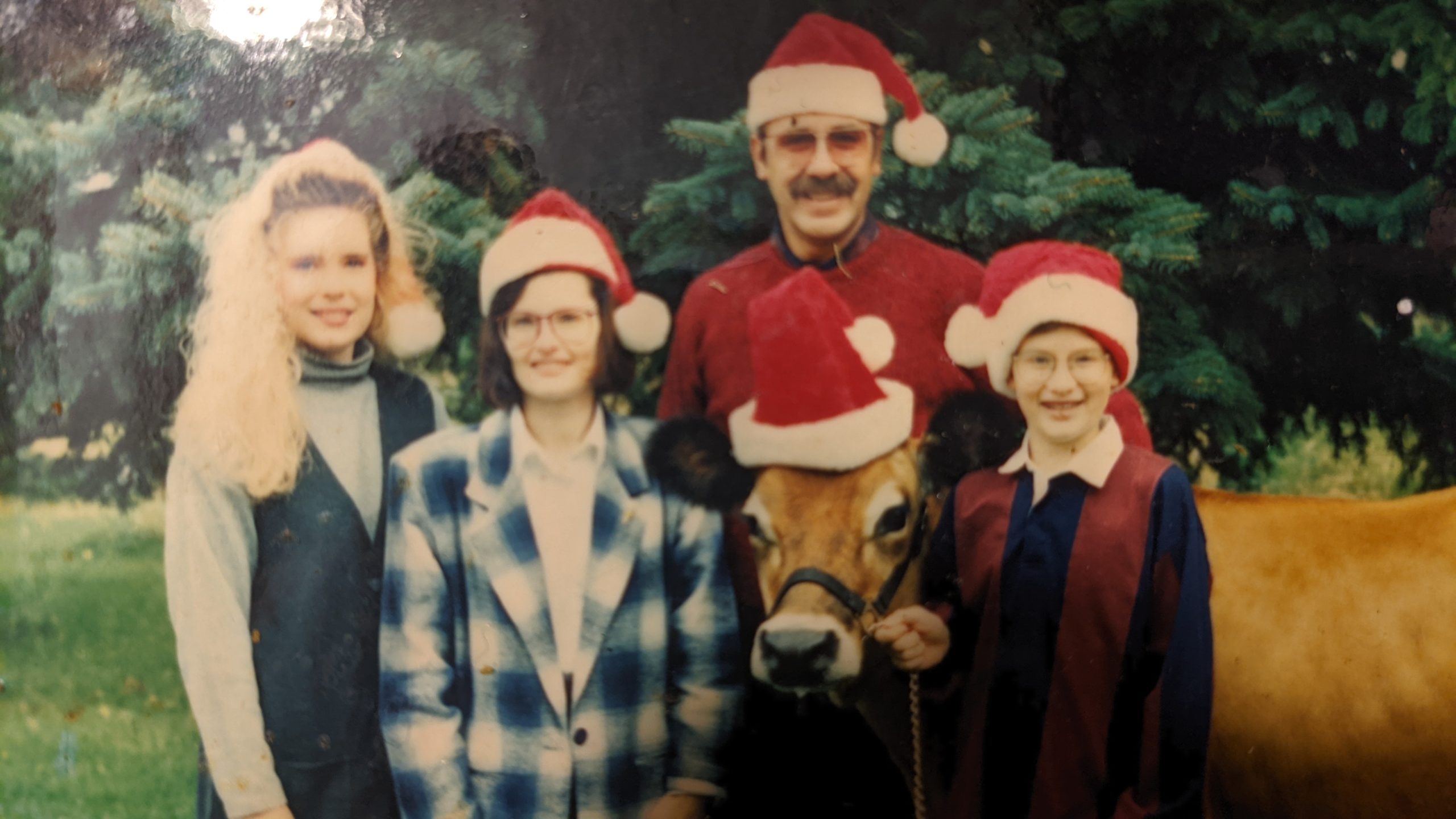
  • Supply Management, Parity Prices, and Ecological Thinking as the Foundation for a Practical Agriculture System

    Supply Management, Parity Prices, and Ecological Thinking as the Foundation for a Practical Agriculture System

    [cs_content _p=’973′][cs_element_section _id=”1″ ][cs_element_layout_row _id=”2″ ][cs_element_layout_column _id=”3″ ][x_button shape=”pill” size=”small” block=”false” circle=”false” icon_only=”false” href=”http://d2p.dreamhosters.com/wp-content/uploads/George-Naylor-Parity_-An-Economic-Foundation-for-an-Agroecological-System.pdf” title=”” target=”” info=”none” info_place=”top” info_trigger=”hover” info_content=”” class=”right hide”][x_icon type=”cloud-download” class=”mvn mln mrs”]Download PDF[/x_button][cs_element_raw_content _id=”5″ ][cs_content_seo][author]\n\n[/cs_content_seo][cs_element_raw_content _id=”6″ ][cs_content_seo][share title=”Share this Post” facebook=”true” twitter=”true” linkedin=”true” email=”true”]\n\n[/cs_content_seo][/cs_element_layout_column][/cs_element_layout_row][/cs_element_section][cs_element_section _id=”7″ ][cs_element_layout_row _id=”8″ ][cs_element_layout_column _id=”9″ ][cs_element_raw_content _id=”10″ ][cs_content_seo]Table of Contents

    1. Introduction
    2. The Environmental and Economic Win-Wins in Controlling Overproduction
    3. Why Sustainable Agriculture Is Important… and Possible!
    4. How do Supply Management & Parity Prices Promote Ecological Farming?
    5. The Case of Corn: Overproduction, Band-aid Policies, CAFOS, and the Gulf Dead Zone
    6. The Case of Organic Dairy: Supply Management Saves Farms and the Environment
    7. A Growing Supply Management Consciousness
    8. Conclusion
    9. References

    \n\n[/cs_content_seo][cs_text _bp_base=”4_4″]

    The nature of agricultural markets and production cycles means that farmers in an industrial system tend to overproduce. Overproduction leads to artificially low grain prices for farmers, which subsidize large industrial livestock operations, creating an oversupply of meat, milk, and cheese, leading to government-managed marketing campaigns to sop up the surplus through increased consumption. This is the story behind “Where’s the Beef” and “Got Milk?”

    The environmental and public health consequences of this overproduction are extreme. One example – the dead zone in the Gulf of Mexico – can be seen from space. Obesity, cancer, and diabetes all follow from our dietary response to cheap meat and dairy.

    A nationwide supply management and parity pricing program that enforceably ties conservation agricultural practices to program participation could relieve these environmental and health burdens while simultaneously achieving economic justice for farms and rural communities. The organic dairy sector – described below – illustrates how this is possible.

    [/cs_text][/cs_element_layout_column][/cs_element_layout_row][/cs_element_section][cs_element_section _id=”12″ ][cs_element_layout_row _id=”13″ ][cs_element_layout_column _id=”14″ ][cs_element_text _id=”15″ ][cs_content_seo]The Environmental and Economic Win-Wins in Controlling Overproduction\n\n[/cs_content_seo][cs_text _bp_base=”4_4″]

    Most scholarship on supply management and parity pricing emphasizes economic sustainability. Overproduction drives down farm prices by inundating the market with more commodity than consumers want. Controlling overproduction improves prices for farmers, putting more money in their pockets to invest in their farms, support flourishing rural communities, and pay living wages and decent benefits to hired farmworkers.

    Here, I focus on how supply management is also prerequisite for making American agriculture environmentally sustainable. Supply management and parity pricing directly mitigate environmental impacts by reducing the total volume of production. Importantly, supply management also indirectly improves agriculture’s ecological footprint by 1) allowing the small and mid-scale farms that are best suited for diverse and ecological farming to thrive and 2) providing sufficient income for farmers to invest in conservation and regenerative practices.

    Controlling overproduction improves prices for farmers as well as environmental and public health outcomes – rarely are there such clear win-wins.

    [/cs_text][/cs_element_layout_column][/cs_element_layout_row][/cs_element_section][cs_element_section _id=”17″ ][cs_element_layout_row _id=”18″ ][cs_element_layout_column _id=”19″ ][cs_element_text _id=”20″ ][cs_content_seo]Why Sustainable Agriculture Is Important… and Possible!

    \n\n[/cs_content_seo][cs_text _bp_base=”4_4″]Agricultural land covers a whopping 43 percent of the world’s ice-free and desert-free land (Poore and Nemecek 2018). This makes sustainable production essential. Even ignoring the intrinsic value and rights of nature, when ecosystems are degraded, the vital “ecosystem services” they provide to people are compromised, causing tremendous economic damage and existential human suffering. US agriculture has increasingly evolved into an energy-, carbon-, and chemical-intensive, monocrop farming system, with tragic environmental and health impacts that cost Americans billions of dollars every year (Pimentel 2005, FAO 2015). These costs are avoidable. Diversified agricultural systems based in agroecological science can offer high yields and avoid environmental costs (Kremen et al. 2012).[/cs_text][cs_element_text _id=”22″ ][cs_content_seo]Some of the main environmental impacts from industrial agriculture in the United States include:\n\n[/cs_content_seo][cs_text _bp_base=”4_4″]

    • Excessive greenhouse gas emissions (agriculture emits about nine percent of total US GHG emissions (EPA, 2017))
    • Soil erosion and decreased soil fertility, including through reduced soil complexity and functioning of soil biota
    • A plethora of water contamination problems, such as eutrophication of lakes and coastal zones, nitrate pollution of groundwater, and agro-chemicals in drinking water
    • Water scarcity due to irrigation
    • Loss of wetlands, grasslands, and diverse habitats
    • Decreased capacity for flood water storage and mitigation of flood risk
    • Biodiversity loss, from pollinators and other agriculturally beneficial insects to reduced fish and bird abundance and species diversity (Tilman & Clark, 2014).

    [/cs_text][/cs_element_layout_column][cs_element_layout_column _id=”24″ ][cs_text _bp_base=”4_4″]

    Each of these comes at exorbitant cost, as is evidenced by a growing body of economic research (Hsiang et al., 2017; Keeler et al., 2012; Swinton, Lupi, Robertson, & Hamilton, 2007). The annual costs of nutrient-related lake and stream eutrophication alone in the United States are at least $2.4 billion (Wurtsbaugh, Paerl, & Dodds, 2019).

    Luckily, these environmental and health costs are avoidable. Diversified farming systems based in agroecological principles produce more nutritious food, comparable yields, and far superior environmental outcomes. Ecological agriculture combines traditional conservation-minded farming methods with modern agroecological science and technologies. Agroecological farming adheres to closed-cycle systems that limit energy-intensive and harmful external inputs. Some core agroecological practices include rotating crops, managing pests naturally, diversifying crops and livestock, promoting biodiversity in soil and habitat, relying on natural biological processes, promoting animal welfare, and improving the soil with compost additions and animal and green manures.

    [/cs_text][/cs_element_layout_column][/cs_element_layout_row][/cs_element_section][cs_element_section _id=”26″ ][cs_element_layout_row _id=”27″ ][cs_element_layout_column _id=”28″ ][cs_element_text _id=”29″ ][cs_content_seo]How do Supply Management & Parity Prices Promote Ecological Farming?\n\n[/cs_content_seo][cs_text _bp_base=”4_4″]

    The complementary policies of supply management and parity pricing are necessary for an ecologically sustainable farm system that provides healthy food for all Americans. Parity and supply management would facilitate three vital changes:

    1. Cutting surplus production would align the total quantity of crops produced with demand, relieving the environmental harm done on millions of acres of unnecessarily farmed land and slashing the use of nitrogen fertilizer and other energy-intensive and ecologically harmful inputs, even without any shift in production methods. This is the direct link between supply management and environmental sustainability.
    2. Raising farm prices would allow a shift to sustainable production methods by allowing those farms best positioned to adopt agroecological farming systems – the small and mid-scale farms – to thrive. This is an indirect link between supply management and environmental sustainability.
    3. With higher farm prices and more money in their pockets, farmers would have the financial flexibility to invest in diverse farm systems and agroecological practices (Anderson 2020). This is another indirect link between supply management and environmental sustainability.

    However, while supply management and parity pricing policies are necessary for promoting sustainable agriculture, they do not guarantee this outcome; they are not sufficient. They are necessary because only when the prices are right can the landscape transition to a mosaic of family-scale farmers re-learning diversified and regenerative farm techniques and experimenting with the full potential that agroecology offers. But only when prices are enforceably tied to sustainable methods – methods that internalize negative environmental externalities – will these higher prices actually translate into family farmers delivering the ecosystem services our planet so desperately needs.

    Ecological thinking must be the foundation of a practical agriculture system. In the past, supply management and parity pricing policies have not adequately incorporated ecological thinking and consequently they led to monocultures, industrial farming, overproduction, and concentrated land ownership – an agricultural system that makes sustainable farming impractical and financially unprofitable outside of niche markets. If ecological thinking is made a secondary priority not explicitly and centrally foregrounded in all supply management and parity pricing policies, this opportunity will be lost, and farmers will respond to policy programs by investing in ecologically damaging production systems that are very expensive to abandon or reorganize at a later time, if and when efforts are made to incorporate ecological aspects. From the beginning, policies must tie higher prices (which will, as a rule, be used for farm improvements and investments) to ecological farming systems.

    Together with a set of complementary agricultural policies and reforms described elsewhere in this series – e.g., land tenure, anti-monopoly, and justice for minoritized farmers – supply management and parity prices that are enforceably tied to agroecological practices are a vital step towards an environmentally sustainable farming system.

    [/cs_text][/cs_element_layout_column][/cs_element_layout_row][/cs_element_section][cs_element_section _id=”31″ ][cs_element_layout_row _id=”32″ ][cs_element_layout_column _id=”33″ ][cs_element_text _id=”34″ ][cs_content_seo]The Case of Corn: Overproduction, Band-aid Policies, CAFOs, and the Gulf Dead Zone\n\n[/cs_content_seo][cs_text _bp_base=”4_4″]

    The case of US corn production illustrates the environmental and health liabilities of the current regime of overproduction, subsidies, and lax environmental standards, and the potential of parity and supply management to vastly reduce environmental impacts.

    The United States is currently the world’s largest corn producer. Annually, more than 90 million acres of land in the US are planted to corn. Of the corn used domestically, nearly half of the nation’s corn crop goes to livestock feed, the bulk of which is used in CAFOs.  Since 2007, the amount going to ethanol production has more than tripled, now accounting for nearly 40 percent of total corn use (with substantial amounts of ethanol byproducts additionally going to livestock feed) (USDA, 2015; USDA ERS, 2020).

    Three aspects of industrial corn production are especially degrading to ecosystem services: 1) The conversion of grasslands, wetlands, and diverse agricultural landscapes to corn and corn-soy rotations; 2) The use of synthetic fertilizers and pesticides; 3) Intensive tillage and monocropping. These practices devastate macro- and micro-biodiversity (including complex soil biota that is vital to soil fertility), eliminate natural biological control of crop pest insects, and reduce bird diversity. They also disrupt soil carbon storage and cause the sedimentation of wetlands and streams, the pollution of groundwater, and the eutrophication of lakes and coastal zones.

    [/cs_text][cs_element_image _id=”36″ ][cs_text _bp_base=”4_4″]

    Corn field by Tim Foster on Unsplash

    [/cs_text][cs_text _bp_base=”4_4″]

    Corn and the Gulf of Mexico’s Dead Zone

    A particularly visible tragedy caused by fencerow-to-fencerow corn in the 13 states of the Mississippi River watershed is the enormous “dead zone” in the Gulf of Mexico.  The dead zone refers to the 8,000 square miles of hypoxic ocean where little or no aquatic life can survive. Corn requires immense quantities of nitrogen to grow, much of which leaches into streams and groundwater, degrading drinking water supplies and eventually flowing down the Mississippi River to the Gulf of Mexico, where it causes the dead zone. Nitrogen fertilizer chokes waterbodies with algae and weeds and causes hypoxia (lack of dissolved oxygen needed by fish and other animals). Since the 1990s, the Federal Government has prioritized solving the Gulf dead zone crisis, targeting a 30 percent reduction in nitrogen flowing from cornfields to the Gulf, with no success. Neither the nitrogen load nor the dead zone show any sign of shrinking.

    Scientists from the University of Wisconsin calculated the effects of different corn planting scenarios on the size of the dead zone (Donner & Kucharik, 2008). Essentially, they found that hyperproduction of animal agriculture and federal biofuel mandates – two responses to oversupply – are the primary culprits in causing the dead zone. Meeting both the US biofuel mandate (of 36 billion US gallons annually by 2022) and the Federal target of reducing nitrogen to the Gulf by 30 percent would require reducing red meat consumption by 50 percent, and replacing the corn used to feed those animals with crops supporting a plant-based diet along with riparian buffers adjacent to corn and soybean fields. Without reducing animal production, meeting the ethanol mandate would increase nitrogen to the Gulf by 34-38 percent and grow the dead zone. This study shows the tremendous environmental costs of the ethanol mandate and of CAFO livestock production, as well as the tremendous ecological benefits of reduced corn production, if a supply management policy were to be implemented.

    [/cs_text][cs_element_image _id=”39″ ][cs_text _bp_base=”4_4″]

    Mississippi River Watershed. Image credit: NOAA

    [/cs_text][cs_text _bp_base=”4_4″]

    Overproduction of Corn: A Brief History

    While it may appear that the enormous US corn harvest is a response to demand from livestock producers and environmentalists advocating biofuels, these are in fact artificial market demands that arose in response to marketing and lobbying campaigns designed to absorb surplus corn.  The real story is perennial overproduction of corn causing low corn prices, which farmers respond to by producing even more corn to break even, creating a landscape where only the largest farms can survive and only because of (often indirect) government subsidies. The number of farms growing corn has fallen sharply, with larger farms increasing acreage and smaller farms closing (USDA ERS, 2020).

    This cycle began in the late 19th century with westward expansion of the colonized agricultural frontier. The systematic over-production of corn (and other commodities) was a fixture of US agriculture by the 1920s, causing immense soil erosion, plummeting farmgate prices, and rising farm foreclosures.  Farmers responded by producing more and more to make up for low prices, thus exacerbating the problem. Finally, after much farmer-organizing and many failed attempts, production controls were implemented as part of the 1933 Agricultural Adjustment Act. These supply management policies effectively combatted low prices by reducing corn supply by 15 percent from 1932 to 1936, nearly tripling corn prices, and raising farm incomes by over 65 percent (Winders 2009).

    Unfortunately, supply management policies were progressively relaxed (under pressure from consolidating agribusiness corporations), beginning in the 1940s, and completely abandoned after 1996, causing US corn acreage to grow from an historic low of 60.2 million acres in 1983 to over 95 million acres in 2013 (USDA, 2015; USDA ERS, 2020). Effective supply management policies were replaced by a series of band-aid measures like export subsidies, income support subsidies and, since 2005, a series of government biofuel mandates that are supported by farm lobbies but have negative net environmental impacts and are vehemently opposed by environmental groups (Sierra Club, 2015; Yang, Bae, Kim, & Suh, 2012).

    [/cs_text][cs_element_image _id=”42″ ][cs_text _bp_base=”4_4″]

    Cartographer: Riccardo Pravettoni, UNEP/GRID-Arendal

    [/cs_text][cs_text _bp_base=”4_4″]

    Surplus Corn and Unecological Band-aids: corn ethanol

    The biofuel mandate for corn ethanol represents a tremendous financial transfer from taxpayers and drivers to corn growers and agribusiness input companies, at grave expense to the environment. The Renewable Fuel Standard, first set in the 2005 Energy Policy Act, has increased requirements for biofuels to be mixed into US fuel supplies from an initial target of 7.5 billion US gallons of biofuels annually by 2012, to the current mandate of 36 billion US gallons annually by 2022, of which 15 billion gallons can be produced from corn starch. The ethanol mandate costs taxpayers over $1 billion in subsidies each year and likely costs consumers up to $1 billion annually in increased beef prices (Pimentel, 2003). Ethanol requirements dramatically increased corn prices starting around 2007 and incentivized the expansion of corn acreage, taking land from soy, pasture, grasslands, wetlands, fallow, Conservation Reserve Program (CRP), cotton, and other crops (USDA ERS, 2020).

    Ostensibly, the motivation for biofuels is the carbon savings from displaced petroleum use. The tragedy is that corn ethanol delivers at best marginal and sometimes negative net energy savings (energy output from ethanol per energy input in producing it), ranging from 0.78 percent to 1.11 percent (Oliveira, Vaughan, & Rykiel, Edward J, 2005; Pimentel, 2003). Specifically, the greenhouse gas (GHG) emissions savings range from quite modest to negative, depending whether land was converted from a carbon storage land use, such as pasture (Yang et al., 2012). When the intense adverse impacts of industrial corn – from erosion and degraded soil quality, insecticides, herbicides, synthetic fertilizers, land use change, and biodiversity loss – are considered, the environmental footprint of corn ethanol is clearly strongly negative, calculated at between 6 percent to 118 percent greater ecological damage than that caused by filling up with gasoline (Yang et al., 2012). Clearly, corn ethanol is a terrible solution for raising farm incomes.

    [/cs_text][cs_element_image _id=”45″ ][cs_text _bp_base=”4_4″]

    An ethanol fuel plant in West Burlington, Iowa on Wiki, by Public Domain

    [/cs_text][cs_text _bp_base=”4_4″]

    Surplus Corn and CAFOs Threaten Human and Ecological Health

    As it turns out, so are subsidies and industrial livestock facilities. Through various types of subsidies aimed at supporting farm income, taxpayers have allowed farmers to continue producing corn even when market prices cannot cover production costs. Corn sold below production costs translates into a huge indirect subsidy to industrial livestock operations (large concentrated animal feeding operations, or CAFOs) (Hauter, 2012; Wise, 2005). Starmer and Wise (2007) estimate that from 1997 to 2005, government subsidies to corn growers saved US animal agriculture about $3.9 billion per year in feed costs.

    Tragically, the availability of cheap grain unfairly advantages industrial confinement livestock operations that typically purchase most of their feed, over family farms that typically grow some or all of their feed and rely more on pasture, thus spurring the forced exodus of family-scale farms and the growth in subsidized factory farms as the primary source of livestock in the United States (Smith, 2019; Winders, 2009).

    This strong-armed shift away from diversified small and mid-scale farms to giant CAFOs has contributed to America’s health problems. Through the subsidized proliferation of high-volume CAFOs, corn oversupply has spurred ever greater surpluses in livestock products – resulting in more meat and dairy than traditional American eating habits could absorb. The response was to create massive marketing campaigns to change the American diet. These “checkoff programs,” managed by the USDA, brought us “Got Milk?” and “Beef, it’s what’s for dinner.” Ultimately, successful marketing, artificially low supermarket prices, and the engineering feats of the processed food manufacturing sector, have dramatically increased consumption of both red meat and dairy, at great cost to society.

    In excess, red meat has been linked to heart disease, stroke, type 2 diabetes, cancer, and overall mortality (Clark et al., 2019), totaling $285 billion in excess health costs worldwide in 2020 alone (Springmann et al., 2018). The surplus has also contributed to an epidemic of obesity: in 2003, the average adult was 24 pounds heavier than in 1960, and one in three Americans today is obese (Moss, 2013). While fat is not unhealthy in moderation, since the 1970s, American cheese consumption has tripled to 33 pounds per person per year in 2013 – or more than half the maximum recommended saturated fat consumption, just from cheese (Moss, 2013). Halting overproduction can help correct market distortions that effectively subsidize fat and penalize healthy foods like fruits and vegetables (Carolan, 2011).

    On top of these health impacts, the shift from small- and mid-scale farms to giant CAFOs has resulted in environmental calamity. Compared with a wide range of food types and farm scales, CAFO agriculture has the most severe impacts with regards to most environmental indicators – for example GHG emissions, land use, acidification, eutrophication, and groundwater pollution (Clark et al., 2019; Willett et al., 2019). The CAFO agriculture system causes both an increase in total volume of livestock – and thus the total environmental impacts – and also a concentration and intensification of their environmental harms due to the structure and practices of CAFO agriculture.

    [/cs_text][cs_element_image _id=”48″ ][cs_text _bp_base=”4_4″]

    Cattle Feedlot, SRA project

    [/cs_text][cs_element_text _id=”50″ ][cs_content_seo]Compared with CAFOs, small and mid-scale farms are better positioned to:\n\n[/cs_content_seo][cs_text _bp_base=”4_4″]

    • use managed rotational grazing on pasture, which has enormous environmental advantages over row crops in terms of soil quality and erosion, species richness and biodiversity, animal health and welfare, and carbon sequestration;
    • grow their own feed in a closed system that recycles nutrients, using manure to fertilize crops – thus reducing GHG emissions from nitrogen fertilizer manufacturing, protecting water quality from unnecessary synthetic fertilizers, and turning nutrient-rich manure from a hazardous waste into valuable fertilizer
    • build healthy soils through diverse crop rotations of legumes and cover crops, applications of compost and animal manure, less compaction and disruption, and foregoing fertilizers and pesticides that kill soil biota
    • promote species biodiversity
    • cause substantially less chemical pollution from synthetic pesticides, pharmaceuticals, antibiotics, and hormones.

    [/cs_text][/cs_element_layout_column][/cs_element_layout_row][/cs_element_section][cs_element_section _id=”52″ ][cs_element_layout_row _id=”53″ ][cs_element_layout_column _id=”54″ ][cs_element_text _id=”55″ ][cs_content_seo]The Case of Organic Dairy: Supply Management Saves Farms and the Environment\n\n[/cs_content_seo][cs_text _bp_base=”4_4″]

    The organic dairy sector provides a fascinating example of how supply management that is tied to agroecological standards can protect farms and the environment. The ecological practices mentioned above that are possible on small and mid-scale farms are widespread among organic dairy farmers.  This is due in part to de facto supply management – delivering high farm prices so farmers can invest in sustainable practices – and in part to ecological standards enforced by the National Organic Program.

    Over the past 30 years, thousands of conventional dairy farms have converted to organic – not necessarily because they wanted to, but because low conventional milk prices caused by oversupply made organic the only way to save the farm.

    Milk is one of the most stunning examples of oversupply in the American agricultural system. Even as America started dieting in the mid-1980s, becoming aware of lactose intolerance, and trying to avoid dairy products, the dairy sector kept accelerating its growth. The industry was drowning deeper and deeper in surplus milk as CAFOs tried to be profitable through productivity enhancements and economies of scale – adding to the overall problem. As a result, US dairy farmers have faced a crisis in farm viability. In 2018 alone, nearly 3,000 dairy farms (6.5 percent of all US dairy farms) folded (Barrett, 2019), leaving boarded-up main streets and closed schools in their wake (Semuels 2019). Every few years, oversupply gets so bad that farmers dump millions of gallons of milk (Gee 2016).

    I use the word “organification” to describe what happened when conventional dairy farmers were forced to go organic to stay in business. Conventional dairy farmers who were overwhelmingly skeptical both about organic methods and about supply management surprised themselves to discover – once they experienced them – that they liked organic farming and supply management.

    Economic organification: While there has never been an explicit, government-supported supply management program in organic dairy, the sector enjoyed a de facto supply management regime from roughly 1995-2015 because: 1) the organic standards (especially the pasture rule) essentially limited farm size, and 2) the market supply was largely coordinated by a nationwide cooperative (Organic Valley) that carefully controlled supply based on predicted demand (Anderson, 2020). High and stable prices from de facto supply management not only saved farms but gave the whole sector hope for the future. For the first time in generations, farm kids could plan a future on the farm. Before going organic, many ardently “free-market” farmers had scoffed at supply management. But once they experienced the financial freedom of stable prices – freedom to invest in farm maintenance and the freedom to sleep at night without anxiety – many became supply management boosters (Anderson, 2020).

    Agroecological organification: After going organic, farmers often discovered that what they thought they knew about farming, including what they had learned in agronomy and dairy science university courses, was wrong in some important ways (Anderson 2020). Many of these farmers were angry that no one had told them about the damage that conventional practices (e.g., synthetic fertilizers, intense production per cow, and confinement) can have on soil and animal health. Once they transitioned, the overwhelming majority of organic dairy farmers saw their herd health improve (Anderson 2020).

    Without the option of prohibited antibiotics, organic dairy farmers have learned to bolster their animals’ natural immune system and health through growing the most nutritious pasture and feed – by increasing soil organic matter, microbial activity, worms, and pasture species diversity (Anderson, 2020) – thus converting to a holistic agroecological farming system. The pasture rule, which sets a minimum requirement for pasture in the organic cows’ diet, means that cows get more exercise and spend more time in fresh air and off the concrete. Higher organic milk prices allow farmers to invest in long-term soil health and in agroecological practices – like buying compost equipment, experimenting with diverse forage and amendments, and pushing less milk production per cow. Reducing production means less foot and leg problems, acidosis, DA (twisted stomach) surgeries, milk fever, and mastitis.

    If our goal is to make American agriculture sustainable, this organification story shows the key role for supply management and tying high prices to ecological practices.

    Unfortunately, beginning around 2016, the de facto supply management in organic dairy began to break down. In part due to lax enforcement by the USDA, corrupt evasion of the National Organic Standards, and the increased market share of unscrupulous agribusiness interests, the leaders of the organic dairy sector have lost control of supply and farmers no longer can expect high and stable prices (Anderson, 2020, Cornucopia 2010, Cornucopia 2015). Across the country, organic dairy farmers met to figure out how to control supply.  In thousands of letters and comments, they urged the USDA to act. But without a national consciousness about the importance of supply management, organic dairy farmers did not have the language, political support, or policy analysis tools to make de jure supply management a reality.

    [/cs_text][/cs_element_layout_column][/cs_element_layout_row][/cs_element_section][cs_element_section _id=”57″ ][cs_element_layout_row _id=”58″ ][cs_element_layout_column _id=”59″ ][cs_element_text _id=”60″ ][cs_content_seo]A Growing Supply Management Consciousness\n\n[/cs_content_seo][cs_text _bp_base=”4_4″]Hopefully, this consciousness is building. Today, an unusually broad coalition of dairy farmers and farm groups are calling loudly for supply management. Among others, the Holstein Association, the Milk Producers’ Council, the National Dairy Producers Organization, the Wisconsin Farmers Union, the National Family Farm Coalition, Rural Coalition, and strong factions within the Farm Bureau are all actively investigating potential supply management systems. Their arguments are backed by recent empirical analysis showing that a national supply management program would reduce variation in milk prices, increase farm prices and farm incomes, and decrease US government expenditures, all with minimal impact on retail dairy prices (Nicholson & Stephenson, 2019).[/cs_text][/cs_element_layout_column][/cs_element_layout_row][/cs_element_section][cs_element_section _id=”62″ ][cs_element_layout_row _id=”63″ ][cs_element_layout_column _id=”64″ ][cs_element_text _id=”65″ ][cs_content_seo]Conclusion

    \n\n[/cs_content_seo][cs_text _bp_base=”4_4″]

    Our industrial agricultural system has increasingly evolved into an energy-, carbon-, and chemical-intensive, monocrop farming system, with tragic environmental and health impacts. Overproduction is a both a hidden outcome of this system and a hidden driver.

    The case of corn overproduction shows the folly in solving the crisis of surplus through Band-aids.  Biofuel mandates create more environmental harm than good, and corn subsidies help fuel the replacement of diverse, family-scale livestock farms with giant environmentally damaging CAFOs. American bodies are also absorbing the surplus by eating more red meat and dairy, causing increased heart disease, stroke, type 2 diabetes, cancer, obesity, and overall mortality.

    The good news is that alternative agroecological systems are waiting in the wings – closed-cycle systems that limit energy-intensive and harmful external inputs while producing bountiful nutritious food.

    Supply management and parity prices that are tied to agroecological practices are an integral and necessary part in transitioning to a truly sustainable agricultural system. Supply management and parity pricing mitigate environmental impacts directly – by reducing the total volume of production – and indirectly – by providing sufficient income for small and mid-scale farms to thrive and to invest in agroecological practices.

    The case of organic dairy – which, for over 20 years, enjoyed de facto supply management and parity pricing tied to agroecological practices – illustrates how liberating supply management can be for farmers. And how much sense agroecological methods make to farmers – once they try it.

    Together with reforms in land tenure, anti-monopoly, and justice for minoritized farmers, supply management and parity prices that are enforceably tied to agroecological practices are vital to an environmentally sustainable farming system.

    [/cs_text][/cs_element_layout_column][/cs_element_layout_row][/cs_element_section][cs_element_section _id=”67″ ][cs_element_layout_row _id=”68″ ][cs_element_layout_column _id=”69″ ][cs_element_line _id=”70″ ][cs_element_text _id=”71″ ][cs_content_seo]References\n\n[/cs_content_seo][cs_element_text _id=”72″ ][cs_content_seo]Anderson, K. G. (2020). The Would-Be Agroecologists: Organification, Supply Management, and Co-opted Collective Action in U.S. Dairy. Dissertation. University of Wisconsin-Madison.
    Barrett, R. (2019, October 18). ‘Struggling to tread water’: Dairy farmers are caught in an economic system with no winning formula. Milwaukee Journal Sentinel. Retrieved from https://www.jsonline.com/in-depth/news/special-reports/dairy-crisis/2019/05/16/wisconsin-dairy-farms-closing-milk-prices-drop-economics-get-tough/3508060002/
    Brock, C., & Barham, B. L. (2013). Milk is Milk: Organic Dairy Adoption Decisions and Bounded Rationality. Sustainability, 5(12), 5416–5441.
    Carolan, M. (2011). The Real Cost of Cheap Food. Routledge.
    Clark, M. A., Springmann, M., Hill, J., & Tilman, D. (2019). Multiple health and environmental impacts of foods. Proceedings of the National Academy of Sciences, 116(46). https://doi.org/10.1073/pnas.1906908116
    Donner, S. D., & Kucharik, C. J. (2008). Corn-based ethanol production compromises goal of reducing nitrogen export by the Mississippi River. Proceedings of the National Academy of Sciences, 105(11), 4513–4518. Retrieved from https://www.pnas.org/content/105/11/4513
    Duram, L. (2006). Organic farmers in the U.S.: opportunities, realities, and barriers. Crop Manag.
    Gee, Kelsey (2016).  America’s Dairy Farmers Dump 43 Million Gallons of Excess Milk. The Wall Street Journal. October 12.
    Goodman, J. (2017, June 6). Jim Goodman: Wisconsin dairy farmers have been duped. Capital Times.
    Hauter, W. (2012). Foodopoly: The Battle over the Future of Food and Farming in America. New York: New Press.
    Hsiang, S., Kopp, R., Jina, A., Rising, J., Delgado, M., Mohan, S., … Houser, T. (2017). Estimating economic damage from climate change in the United States. Science, 356, 1362–1369.
    Keeler, B. L., Polasky, S., Brauman, K. A., Johnson, K. A., Finlay, J. C., & Neill, A. O. (2012). Linking water quality and well-being for improved assessment and valuation of ecosystem services. Proceedings of the National Academy of Sciences, 109(45), 18619–18624. https://doi.org/10.1073/pnas.1215991109
    Lilliston, B., & Holmberg, S. (2019). Digging into the Farm Debate: Reviving New Deal Supply Management for the 21st Century. Retrieved from https://www.iatp.org/blog/201910/digging-farm-debate-reviving-new-deal-supply-management-21st-century
    Moss, M. (2013). Salt, Sugar, Fat: How the Food Giants Hooked Us. New York: Random House.
    Nicholson, C., & Stephenson, M. (2019). Analyses of Selected Dairy Programs Proposed to Reduce Variability in Milk Prices and Farm Income (No. 19–01).
    Oliveira, M. E. D. de, Vaughan, B. E., & Rykiel, Edward J, J. (2005). Ethanol as Fuel: Energy, Carbon Dioxide Balances, and Ecological Footprint. BioScience, 55(7), 593–602.
    Padel, S. (2001). Conversion to Organic Farming: A Typical Example of the Diffusion of an Innovation? Sociologia Ruralis, 41(1).
    Pimentel, D. (2003). Ethanol Fuels: Energy Balance , Economics , and Environmental Impacts are Negative, 12(2).
    Semuels, Alana (2019). ‘They’re Trying to Wipe Us Off the Map.’ Small American Farmers Are Nearing Extinction. Time Magazine. November 27.
    Sierra Club. (2015). Sierra Club Guidance on Biofuels. Retrieved from https://content.sierraclub.org/grassrootsnetwork/team-news/2015/02/sierra-club-guidance-biofuels
    Smith, T. J. (2019). Corn, cows, and climate change: How federal agricultural subsidies enable factory farming and exacerbate U.S. greenhouse gas emissions. Washington Journal of Environmental Law & Policy, 9(1).
    Springmann, M., Mason-d Croz, D., Robinson, S., Wiebe, K., Godfray, C. J., Rayner, M., & Scarborough, P. (2018). Health-motivated taxes on red and processed meat: A modelling study on optimal tax levels and associated health impacts. PLoS ONE, 13(11), 1–16. Retrieved from https://doi.org/10.1371/journal.%0Apone.0204139
    Starmer, E., & Wise, T. (2007). Feeding at the Trough: Industrial Livestock Firms Saved $35 billion From Low Feed Prices (Policy Brief No. 07–03).
    Swinton, S. M., Lupi, F., Robertson, G. P., & Hamilton, S. K. (2007). Ecosystem services and agriculture: Cultivating agricultural ecosystems for diverse benefits. Ecological Economics, 64, 245–252. https://doi.org/10.1016/j.ecolecon.2007.09.020
    Tilman, D., & Clark, M. (2014). Global diets link environmental sustainability and human health. Nature, 515(7528), 518–522. https://doi.org/10.1038/nature13959
    USDA. (2015). USDA Coexistence Fact Sheets – Corn. Retrieved from https://www.usda.gov/sites/default/files/documents/coexistence-corn-factsheet.pdf
    USDA ERS. (2020). Feedgrains Sector at a Glance. Retrieved from https://www.ers.usda.gov/topics/crops/corn-and-other-feedgrains/feedgrains-sector-at-a-glance/
    Willett, W., Rockström, J., Loken, B., Springmann, M., Lang, T., Vermeulen, S., … Murray, C. J. L. (2019). Food in the Anthropocene: the EAT–Lancet Commission on healthy diets from sustainable food systems. Lancet, 393, 447–492. https://doi.org/10.1016/S0140-6736(18)31788-4
    Winders, B. (2009). The Politics of Food Supply. New London: Yale University Press.
    Wise, T. (2005). Identifying the Real Winners from U.S. Agricultural Policies (No. 05–07). Medford, MA.
    Wurtsbaugh, W. A., Paerl, H. W., & Dodds, W. K. (2019). Nutrients, eutrophication and harmful algal blooms along the freshwater to marine continuum. WIREs Water, 1–27. https://doi.org/10.1002/wat2.1373
    Yang, Y., Bae, J., Kim, J., & Suh, S. (2012). Replacing Gasoline with Corn Ethanol Results in Significant Environmental Problem-Shifting. Environmental Science and Technology, 46, 36713678. https://doi.org/10.1021/es203641p\n\n[/cs_content_seo][cs_element_text _id=”73″ ][cs_content_seo]Feature photo: Dan Beard, Iowa organic dairy farmer, courtesy of Practical Farmers of Iowa.\n\n[/cs_content_seo][cs_element_line _id=”74″ ][cs_element_text _id=”75″ ][cs_content_seo]Supply Management, Parity Prices, and Ecological Thinking as the Foundation for a Practical Agriculture System by Kathryn Anderson is licensed under CC BY-ND 4.0\n\nCreative Commons License CC-BY-ND 4.0[/cs_content_seo][/cs_element_layout_column][/cs_element_layout_row][/cs_element_section][/cs_content]

  • How the Lack of Parity Supports Industrial Livestock Production

    How the Lack of Parity Supports Industrial Livestock Production

    [cs_content _p=’769′][cs_element_section _id=”1″ ][cs_element_layout_row _id=”2″ ][cs_element_layout_column _id=”3″ ][x_button shape=”pill” size=”small” block=”false” circle=”false” icon_only=”false” href=”http://d2p.dreamhosters.com/wp-content/uploads/George-Naylor-Parity_-An-Economic-Foundation-for-an-Agroecological-System.pdf” title=”” target=”” info=”none” info_place=”top” info_trigger=”hover” info_content=”” class=”right hide”][x_icon type=”cloud-download” class=”mvn mln mrs”]Download PDF[/x_button][cs_element_text _id=”5″ ][cs_content_seo]Siena Chrisman   Jordan Treakle   Patty Lovera\n\n[/cs_content_seo][cs_element_raw_content _id=”6″ ][cs_content_seo][share title=”Share this Post” facebook=”true” twitter=”true” linkedin=”true” email=”true”]\n\n[/cs_content_seo][/cs_element_layout_column][/cs_element_layout_row][/cs_element_section][cs_element_section _id=”7″ ][cs_element_layout_row _id=”8″ ][cs_element_layout_column _id=”9″ ][cs_element_raw_content _id=”10″ ][cs_content_seo]Table of Contents

    1. Introduction
    2. Loss of Parity Farm Programs Makes Farmer Grain Prices Fall
    3. The Rise of Industrial Meat Production
    4. Externalized Costs of Industrialized Livestock Production

    \n\n[/cs_content_seo][cs_text _bp_base=”4_4″]The end of parity pricing and supply management farm programs was a huge boon for agribusiness, particularly the meat industry. As the farm programs were dismantled, farmer grain prices fell to well under the cost of production, giving the meatpacking industry access to below-cost feed grain. Cheap feed was – and still is – a critical component of industrial confinement-based meat production.[/cs_text][/cs_element_layout_column][/cs_element_layout_row][/cs_element_section][cs_element_section _id=”12″ ][cs_element_layout_row _id=”13″ ][cs_element_layout_column _id=”14″ ][cs_element_text _id=”15″ ][cs_content_seo]Loss of Parity Farm Programs Makes Farmer Grain Prices Fall

    \n\n[/cs_content_seo][cs_text _bp_base=”4_4″]

    Parity and supply management policies of the New Deal era provided de facto price floors for commodity producers. The dismantling of these policies, from the 1950s through the mid-1990s, decoupled commodity prices from producers’ costs of production while new “fencerow to fencerow” planting policies led to an overproduction of grain, and prices fell dramatically. Family-scale producers were thrown to the whims of an increasingly consolidated marketplace where economies of scale favored larger and highly capitalized operations.[extra id=”ref1″ href=”#fn1″ title=”Text of footnote 1 here” title=”Footnote 1″ info=”popover” info_place=”top” info_trigger=”hover” info_content=”MacDonald, James and McBride, William (January 2009). ‘The transformation of U.S. livestock agriculture: Scale, efficiency, and risks’, Economic Information Bulletin, No. EIB-43, United States Department of Agriculture. Download PDF “][1][/extra] Expanding production, mechanization, and substituting farm diversification for specialization became farmers’ only strategies for keeping their farms economically afloat, but all of these changes only fueled more production and further drove down market prices. With little individual negotiating power, family farmers became “price takers,” as corporate grain traders strengthened their upper hand in the global marketplace.

    Prices paid to farmers for feed grains like corn have now been less than the cost of production for most production years since the 1996 Farm Bill ended the last vestiges of parity and supply management.[extra id=”ref2″ href=”#fn2″ title=”Text of footnote 2 here” title=”Footnote 2″ info=”popover” info_place=”top” info_trigger=”hover” info_content=”https://www.macrotrends.net/2532/corn-prices-historical-chart-data”][2][/extra]  According to the US Department of Agriculture (USDA), corn prices have been below the average cost of production for 16 of the last 24 years.[extra id=”ref3″ href=”#fn3″ title=”Text of footnote 3 here” title=”Footnote 3″ info=”popover” info_place=”top” info_trigger=”hover” info_content=” https://www.ers.usda.gov/data-products/commodity-costs-and-returns/”][3][/extra]  However, unlike the traditional parity criteria, USDA cost-of-production figures do not account for farmers’ costs of living or inflation. Thus, although average cost of production has decreased over time, these numbers do not even adequately capture the economic strain put on a family household from these systemically low prices.[extra id=”ref4″ href=”#fn4″ title=”Text of footnote 4 here” title=”Footnote 4″ info=”popover” info_place=”top” info_trigger=”hover” info_content=”https://www.clarityonparity.com/blog/cost-of-production-without-parity-vs-costs-of-production-in-a-parity-system”][4][/extra]

    Federal commodity programs (better known as subsidies) and crop insurance schemes, which were instituted in the place of parity and supply management programs in the 1980s and 1990s, have provided a meager safety net for grain farmers, making up just a fraction of the difference between global market prices and US farmers’ cost of living and production. The outcome of this market-driven approach to pricing has been record levels of farmer debt (more than $415 billion in 2019) for those who have not already exited farming.[extra id=”ref5″ href=”#fn5″ title=”Text of footnote 5 here” title=”Footnote 5″ info=”popover” info_place=”top” info_trigger=”hover” info_content=”USDA ERS: https://data.ers.usda.gov/reports.aspx?ID=17835″][5][/extra]

    [/cs_text][/cs_element_layout_column][cs_element_layout_column _id=”17″ ][x_image type=”none” src=”895:full” alt=”” link=”false” href=”#” title=”” target=”” info=”none” info_place=”top” info_trigger=”hover” info_content=””][/cs_element_layout_column][/cs_element_layout_row][/cs_element_section][cs_element_section _id=”19″ ][cs_element_layout_row _id=”20″ ][cs_element_layout_column _id=”21″ ][cs_element_text _id=”22″ ][cs_content_seo]The Rise of Industrial Meat Production

    \n\n[/cs_content_seo][cs_text _bp_base=”4_4″]

    Meanwhile, as family-scale pasture-based livestock production became uncompetitive in the 1990s, the confinement livestock model began to dominate the meat industry, particularly poultry and hog production. Concentrated animal feeding operations, or CAFOs, replaced diversified farms, housing thousands of animals in huge warehouse-like barns. The animals are fed feed made from corn and soybeans, formulated for maximum weight gain so that animals grow to their slaughter weight as quickly as possible. CAFO waste is stored in pits or ponds before it is disposed of by application to fields as fertilizer. As most meatpacking companies are highly vertically integrated, many make their own feed, while major traditional seed, chemical, and grain corporations like Cargill have also expanded into industrial livestock production.

    Researchers have found that from 1997 to 2005 – years when CAFOs were becoming the new mainstream model for meat production – confinement livestock operations saved themselves approximately $3.9 billion annually because they were able to buy feed grains at prices well below average production costs.[extra id=”ref6″ href=”#fn6″ title=”Text of footnote 6 here” title=”Footnote 6″ info=”popover” info_place=”top” info_trigger=”hover” info_content=”Union of Concerned Scientists. 2008. CAFOs Uncovered: The Untold Costs of Confined Animal Feeding Operations. PDF ; Starmer, Elanor, and Timothy A. Wise. 2007. “Living High on the Hog: Factory Farms, Federal Policy, and the Structural Transformation of Swine Production.” Tufts University. Global Development and Environment Institute. Working Paper No. 07-04. Dec. PDF“][6][/extra]  The total savings to the livestock industry from below-cost grain was $35 billion over these nine years.

    Other research from the same period also indicates that the post-parity subsidy and crop insurance programs primarily benefit large-scale animal feeding operations at the expense of smaller diversified crop and livestock farms, and therefore are driving consolidation in agriculture.[extra id=”ref7″ href=”#fn7″ title=”Text of footnote 7 here” title=”Footnote 7″ info=”popover” info_place=”top” info_trigger=”hover” info_content=”Key, N., and M.J. Roberts. 2006. Government Payments and Farm Business Survival. American Journal of Agricultural Economics 88(2): 382–392.; Pew Commission on Industrial Farm Animal Production. 2008. Putting Meat on the Table: Industrial Farm Animal Production in America. April. www.ncifap.org;”][7][/extra]   The economic justice components of parity programs and how they shaped the agricultural economy cannot be separated from the technology-driven consolidation that ramped up in the mid-1990s and remains highly entrenched in the US farm and food system today.

    While other studies have instead attributed agricultural consolidation trends to factors such as technology and infrastructure development and outsourcing of production contracts,[extra id=”ref8″ href=”#fn8″ title=”Text of footnote 8 here” title=”Footnote 8″ info=”popover” info_place=”top” info_trigger=”hover” info_content=”MacDonald, James and McBride, William (January 2009). “The transformation of U.S. livestock agriculture: Scale, efficiency, and risks”, Economic Information Bulletin, No. EIB-43, United States Department of Agriculture. PDF “][8][/extra] these statistical-based perspectives fail to recognize that the declining economic autonomy of independent producers, due in part to the replacement of price floors with insufficient subsidy or insurance payments, has restricted their ability to invest in assets, practices, and technology to remain competitive, and in turn often forces them into predatory or unfair contracting relationships with highly capitalized corporations.

    The importance of cheap corn and soybeans to the industrialized livestock system was clear when, in 2012, a severe drought in much of the United States caused grain prices to spike. The meat and poultry industries were aggressive in calling for policy measures to bring crop prices back down, demanding an end to mandates for corn-based ethanol use (a competing use for corn) and convincing the federal government to buy millions of dollars of meat and poultry products.[extra id=”ref9″ href=”#fn9″ title=”Text of footnote 9 here” title=”Footnote 9″ info=”popover” info_place=”top” info_trigger=”hover” info_content=”ethanol-waiver-amid-drought, washingtonpost.com/politics/obama-set-to-announce-federal-aid-for-drought-ravaged-ag-industry/2012/08/13/038dc37e-e55a-11e1-8f62-58260e3940a0_story.html“][9][/extra]

    This industrial livestock model, based on the economic paradigm of cheap feed, as well as cheap labor[extra id=”ref10″ href=”#fn10″ title=”Text of footnote 10 here” title=”Footnote 10″ info=”popover” info_place=”top” info_trigger=”hover” info_content=”Production labor costs are reduced by one-side farmer production contracts, while livestock processing costs are reduced through extensive use of low paid immigrant labor. “][10][/extra] and limited regulation of the environmental and public health impacts of CAFO operations, has significantly transformed the livestock sector in the US today. The US Environmental Protection Agency (EPA), tasked under the Clean Water Act with CAFO permitting and relevant water regulatory enforcement, only tracks the largest operations, making it an unreliable source for CAFO statistics. But independent researchers estimate that there were at least 25,000 CAFOs across the US in 2019,[extra id=”ref11″ href=”#fn11″ title=”Text of footnote 11 here” title=”Footnote 11″ info=”popover” info_place=”top” info_trigger=”hover” info_content=”foodandwaterwatch.org, pdf“][11][/extra]  representing an approximate 14 percent increase in the number of confined animals since 2012.[extra id=”ref12″ href=”#fn12″ title=”Text of footnote 12 here” title=”Footnote 12″ info=”popover” info_place=”top” info_trigger=”hover” info_content=”Ibid. “][12][/extra]  Farm growth and consolidation was higher in the livestock sector than any other part of the agricultural economy between 1987 and 2017,[extra id=”ref13″ href=”#fn13″ title=”Text of footnote 10 here” title=”Footnote 13″ info=”popover” info_place=”top” info_trigger=”hover” info_content=”MacDonald, J. 2020. Tracking the Consolidation of U.S. Agriculture. Applied Economic Perspectives and Policy (2020) volume 00, number 00, pp. 1–19. doi:10.1002/aepp.13056″][13][/extra]   while 373,000 independent family-scale crop farms (primarily economically-midsize “farms of the middle”) were lost in the US in the same period.[extra id=”ref14″ href=”#fn14″ title=”Text of footnote 14 here” title=”Footnote 14″ info=”popover” info_place=”top” info_trigger=”hover” info_content=”Ibid. “][14][/extra]

    [/cs_text][/cs_element_layout_column][cs_element_layout_column _id=”24″ ][x_image type=”none” src=”894:large” alt=”” link=”false” href=”#” title=”” target=”” info=”none” info_place=”top” info_trigger=”hover” info_content=””][/cs_element_layout_column][/cs_element_layout_row][/cs_element_section][cs_element_section _id=”26″ ][cs_element_layout_row _id=”27″ ][cs_element_layout_column _id=”28″ ][cs_element_text _id=”29″ ][cs_content_seo]Externalized Costs of Industrialized Livestock Production\n\n[/cs_content_seo][cs_text _bp_base=”4_4″]

    The rapid growth of CAFOs has led to significant environmental and public health impacts that have been well documented by researchers, government agencies, and rural communities for decades. These externalities,[extra id=”ref15″ href=”#fn15″ title=”Text of footnote 15 here” title=”Footnote 15″ info=”popover” info_place=”top” info_trigger=”hover” info_content=”https://www.cdc.gov/nceh/ehs/Docs/Understanding_CAFOS_NALBOH.pdf“][15][/extra]  particularly linked to the waste from tens of thousands of animals, include surface and groundwater contamination, air pollution from aerial spraying of animal feces, and environmental disasters from broken or breached manure ponds. The public health impacts linked to CAFOs, which disproportionately impact low-income communities of color, led to a 2020 recommendation by the American Public Health Association, the country’s leading public health organization, for a national moratorium on new and expanding CAFOs.[extra id=”ref16″ href=”#fn16″ title=”Text of footnote 16 here” title=”Footnote 16″ info=”popover” info_place=”top” info_trigger=”hover” info_content=”American public health association adopts policy statement calling national moratorium“][16][/extra]  Meanwhile, legislation introduced in the US Senate in 2019 calling for a ban on new large CAFOs and a phase-out of existing operations[extra id=”ref17″ href=”#fn17″ title=”Text of footnote 17 here” title=”Footnote 17″ info=”popover” info_place=”top” info_trigger=”hover” info_content=”Booker unveils bill to reform farm system“][17][/extra]  has received significant support but continues to be blocked by agribusiness interests.

    Agribusiness interests and allies have opposed parity pricing for feed grains, arguing that it would raise the costs of meat production and that those costs would be passed on to consumers. However, taxpayers and consumers are already bearing the externality costs of CAFOs, through publicly-funded environmental mediation programs necessary to clean up CAFO-caused water pollution; federal direct payment programs that primarily benefit large-scale operations; and federally subsidized crop insurance. Additionally, the reality is that in today’s highly consolidated marketplace, controlled by just a few big meatpackers and retailers, the farmer’s share of the consumer meat dollar has been dropping for decades. While short periods of volatility occasionally cause changes in grocery store prices, overall consumer prices for animal products in the last few decades have trended up, even as prices received by both livestock and feed grain producers have not changed or gone down.[extra id=”ref18″ href=”#fn18″ title=”Text of footnote 18 here” title=”Footnote 18″ info=”popover” info_place=”top” info_trigger=”hover” info_content=”Farmers share of retail food dollar hits new low/“][18][/extra]  The biggest players in the livestock supply chain – the meatpackers, poultry companies, and dairy processors – may claim they are looking out for consumers by maintaining their discount on animal feed, but they are really looking out for their own profit margins.

    Family farming advocates[extra id=”ref19″ href=”#fn19″ title=”Text of footnote 19 here” title=”Footnote 19″ info=”popover” info_place=”top” info_trigger=”hover” info_content=”Fair prices for farmers“][19][/extra]  have long pushed for a compensation system of baseline thresholds, similar to workers’ minimum wage, for paying producers who meet strong social and environmental, and economic justice criteria that prioritize independent farms rather than corporate entities. In today’s model, consumers are facing dwindling choices from significant concentration of the meatpacking, processing, and retail sectors, leading to anti-competitive practices such as price-fixing by agribusiness.

    Opponents of industrial livestock production would do well to advocate for farmer price parity. Without underpriced grain, the CAFO model loses a significant economic advantage over diversified, pasture-based producers.[extra id=”ref20″ href=”#fn20″ title=”Text of footnote 20 here” title=”Footnote 20″ info=”popover” info_place=”top” info_trigger=”hover” info_content=”Starmer, Elanor, and Timothy A. Wise. 2007. “Living High on the Hog: Factory Farms, Federal Policy, and the Structural Transformation of Swine Production.” Tufts University. Global Development and Environment Institute. Working Paper No. 07-04. Dec. pdf“][20][/extra] The move towards consolidation, corporate control, and economic disparity in farming is a direct result of public policy changes. Restoring parity pricing so that the meat industry has to pay full price for feed, together with fair wages for workers, strong anti-trust enforcement, and effective penalties for violating critical environmental and social justice standards must all be part of the fight against the factory farm/industrialized/corporate meat system.

    [/cs_text][/cs_element_layout_column][cs_element_layout_column _id=”31″ ][cs_element_gap _id=”32″ ][cs_element_image _id=”33″ ][cs_element_gap _id=”34″ ][cs_element_image _id=”35″ ][/cs_element_layout_column][cs_element_layout_column _id=”36″ ][cs_element_line _id=”37″ ][cs_element_text _id=”38″ ][cs_content_seo][extra id=”fn1″ href=”#ref1″ title=”” info=”popover” info_place=”top” info_trigger=”hover” info_content=”Jump back to footnote 1 in the text.”]1. MacDonald, James and McBride, William (January 2009). ‘The transformation of U.S. livestock agriculture: Scale, efficiency, and risks’, Economic Information Bulletin, No. EIB-43, United States Department of Agriculture. Download PDF  [/extra]\n\n[/cs_content_seo][cs_element_text _id=”39″ ][cs_content_seo][extra id=”fn2″ href=”#ref2″ title=”” info=”popover” info_place=”top” info_trigger=”hover” info_content=”Jump back to footnote 2 in the text.”]2. https://www.macrotrends.net/2532/corn-prices-historical-chart-data [/extra]\n\n[/cs_content_seo][cs_element_text _id=”40″ ][cs_content_seo][extra id=”fn3″ href=”#ref3″ title=”” info=”popover” info_place=”top” info_trigger=”hover” info_content=”Jump back to footnote 3 in the text.”]3. https://www.ers.usda.gov/data-products/commodity-costs-and-returns/ [/extra]\n\n[/cs_content_seo][cs_element_text _id=”41″ ][cs_content_seo][extra id=”fn4″ href=”#ref4″ title=”” info=”popover” info_place=”top” info_trigger=”hover” info_content=”Jump back to footnote 4 in the text.”]4. https://www.clarityonparity.com/blog/cost-of-production-without-parity-vs-costs-of-production-in-a-parity-system [/extra]\n\n[/cs_content_seo][cs_element_text _id=”42″ ][cs_content_seo][extra id=”fn5″ href=”#ref5″ title=”” info=”popover” info_place=”top” info_trigger=”hover” info_content=”Jump back to footnote 5 in the text.”]5. USDA ERS: https://data.ers.usda.gov/reports.aspx?ID=17835 [/extra]\n\n[/cs_content_seo][/cs_element_layout_column][cs_element_layout_column _id=”43″ ][cs_element_text _id=”44″ ][cs_content_seo][extra id=”fn6″ href=”#ref6″ title=”” info=”popover” info_place=”top” info_trigger=”hover” info_content=”Jump back to footnote 6 in the text.”]6.  Union of Concerned Scientists. 2008. CAFOs Uncovered: The Untold Costs of Confined Animal Feeding Operations. PDF ; Starmer, Elanor, and Timothy A. Wise. 2007. “Living High on the Hog: Factory Farms, Federal Policy, and the Structural Transformation of Swine Production.” Tufts University. Global Development and Environment Institute. Working Paper No. 07-04. Dec. PDF [/extra]\n\n[/cs_content_seo][cs_element_text _id=”45″ ][cs_content_seo][extra id=”fn7″ href=”#ref7″ title=”” info=”popover” info_place=”top” info_trigger=”hover” info_content=”Jump back to footnote 7 in the text.”]7.  Key, N., and M.J. Roberts. 2006. Government Payments and Farm Business Survival. American Journal of Agricultural Economics 88(2): 382–392.; Pew Commission on Industrial Farm Animal Production. 2008. Putting Meat on the Table: Industrial Farm Animal Production in America. April. www.ncifap.org;[/extra]\n\n[/cs_content_seo][cs_element_text _id=”46″ ][cs_content_seo][extra id=”fn8″ href=”#ref8″ title=”” info=”popover” info_place=”top” info_trigger=”hover” info_content=”Jump back to footnote 8 in the text.”]8.  MacDonald, James and McBride, William (January 2009). “The transformation of U.S. livestock agriculture: Scale, efficiency, and risks”, Economic Information Bulletin, No. EIB-43, United States Department of Agriculture. PDF [/extra]\n\n[/cs_content_seo][cs_element_text _id=”47″ ][cs_content_seo][extra id=”fn9″ href=”#ref9″ title=”” info=”popover” info_place=”top” info_trigger=”hover” info_content=”Jump back to footnote 9 in the text.”]9.  https://abcnews.go.com/blogs/politics/2012/07/ethanol-waiver-amid-drought, https://www.washingtonpost.com/politics/obama-set-to-announce-federal-aid-for-drought-ravaged-ag-industry/2012/08/13/038dc37e-e55a-11e1-8f62-58260e3940a0_story.html [/extra]\n\n[/cs_content_seo][cs_element_text _id=”48″ ][cs_content_seo][extra id=”fn10″ href=”#ref10″ title=”” info=”popover” info_place=”top” info_trigger=”hover” info_content=”Jump back to footnote 10 in the text.”]10.  Production labor costs are reduced by one-side farmer production contracts, while livestock processing costs are reduced through extensive use of low paid immigrant labor. [/extra]\n\n[/cs_content_seo][cs_element_text _id=”49″ ][cs_content_seo][extra id=”fn11″ href=”#ref11″ title=”” info=”popover” info_place=”top” info_trigger=”hover” info_content=”Jump back to footnote 11 in the text.”]11.  https://www.foodandwaterwatch.org/sites/default/files/ib_2004_updfacfarmmaps-web2.pdf [/extra]\n\n[/cs_content_seo][cs_element_text _id=”50″ ][cs_content_seo][extra id=”fn12″ href=”#ref12″ title=”” info=”popover” info_place=”top” info_trigger=”hover” info_content=”Jump back to footnote 12 in the text.”]12.  Ibid. [/extra]\n\n[/cs_content_seo][cs_element_text _id=”51″ ][cs_content_seo][extra id=”fn13″ href=”#ref13″ title=”” info=”popover” info_place=”top” info_trigger=”hover” info_content=”Jump back to footnote 13 in the text.”]13.  MacDonald, J. 2020. Tracking the Consolidation of U.S. Agriculture. Applied Economic Perspectives and Policy (2020) volume 00, number 00, pp. 1–19. doi:10.1002/aepp.13056 [/extra]\n\n[/cs_content_seo][cs_element_text _id=”52″ ][cs_content_seo][extra id=”fn14″ href=”#ref14″ title=”” info=”popover” info_place=”top” info_trigger=”hover” info_content=”Jump back to footnote 14 in the text.”]14.  Ibid. [/extra]\n\n[/cs_content_seo][/cs_element_layout_column][cs_element_layout_column _id=”53″ ][cs_element_text _id=”54″ ][cs_content_seo][extra id=”fn15″ href=”#ref15″ title=”” info=”popover” info_place=”top” info_trigger=”hover” info_content=”Jump back to footnote 15 in the text.”]15. cdc.gov/nceh/ehs/Docs/Understanding_CAFOS_NALBOH.pdf [/extra]\n\n[/cs_content_seo][cs_element_text _id=”55″ ][cs_content_seo][extra id=”fn16″ href=”#ref16″ title=”” info=”popover” info_place=”top” info_trigger=”hover” info_content=”Jump back to footnote 16 in the text.”]16. clf.jhsph.edu/publications/american-public-health-association-adopts-policy-statement-calling-national-moratorium[/extra]\n\n[/cs_content_seo][cs_element_text _id=”56″ ][cs_content_seo][extra id=”fn17″ href=”#ref17″ title=”” info=”popover” info_place=”top” info_trigger=”hover” info_content=”Jump back to footnote 17 in the text.”]17. booker.senate.gov/news/press/booker-unveils-bill-to-reform-farm-system[/extra]\n\n[/cs_content_seo][cs_element_text _id=”57″ ][cs_content_seo][extra id=”fn18″ href=”#ref18″ title=”” info=”popover” info_place=”top” info_trigger=”hover” info_content=”Jump back to footnote 18 in the text.”]18. nfu.org/2018/05/04/farmers-share-of-retail-food-dollar-hits-new-low/[/extra]\n\n[/cs_content_seo][cs_element_text _id=”58″ ][cs_content_seo][extra id=”fn19″ href=”#ref19″ title=”” info=”popover” info_place=”top” info_trigger=”hover” info_content=”Jump back to footnote 19 in the text.”]19. https://nffc.net/what-we-do/fair-prices-for-farmers/ [/extra]\n\n[/cs_content_seo][cs_element_text _id=”59″ ][cs_content_seo][extra id=”fn20″ href=”#ref20″ title=”” info=”popover” info_place=”top” info_trigger=”hover” info_content=”Jump back to footnote 20 in the text.”]20. Starmer, Elanor, and Timothy A. Wise. 2007. “Living High on the Hog: Factory Farms, Federal Policy, and the Structural Transformation of Swine Production.” Tufts University. Global Development and Environment Institute. Working Paper No. 07-04. Dec. https://sites.tufts.edu/gdae/files/2020/03/07-04LivingHighOnHog.pdf[/extra]\n\n[/cs_content_seo][cs_element_gap _id=”60″ ][cs_element_line _id=”61″ ][cs_element_text _id=”62″ ][cs_content_seo]How the Lack of Parity Supports Industrial Livestock Production by Siena Chrisman, Jordan Treakle, and Patty Lovera is licensed under CC BY-NC 4.0 \n\nCreative Commons License[/cs_content_seo][/cs_element_layout_column][/cs_element_layout_row][/cs_element_section][cs_element_section _id=”63″ ][cs_element_layout_row _id=”64″ ][cs_element_layout_column _id=”65″ ][cs_element_raw_content _id=”66″ ][cs_content_seo][author author_id=”18″][author author_id=”19″][author author_id=”20″]\n\n[/cs_content_seo][/cs_element_layout_column][/cs_element_layout_row][/cs_element_section][/cs_content]
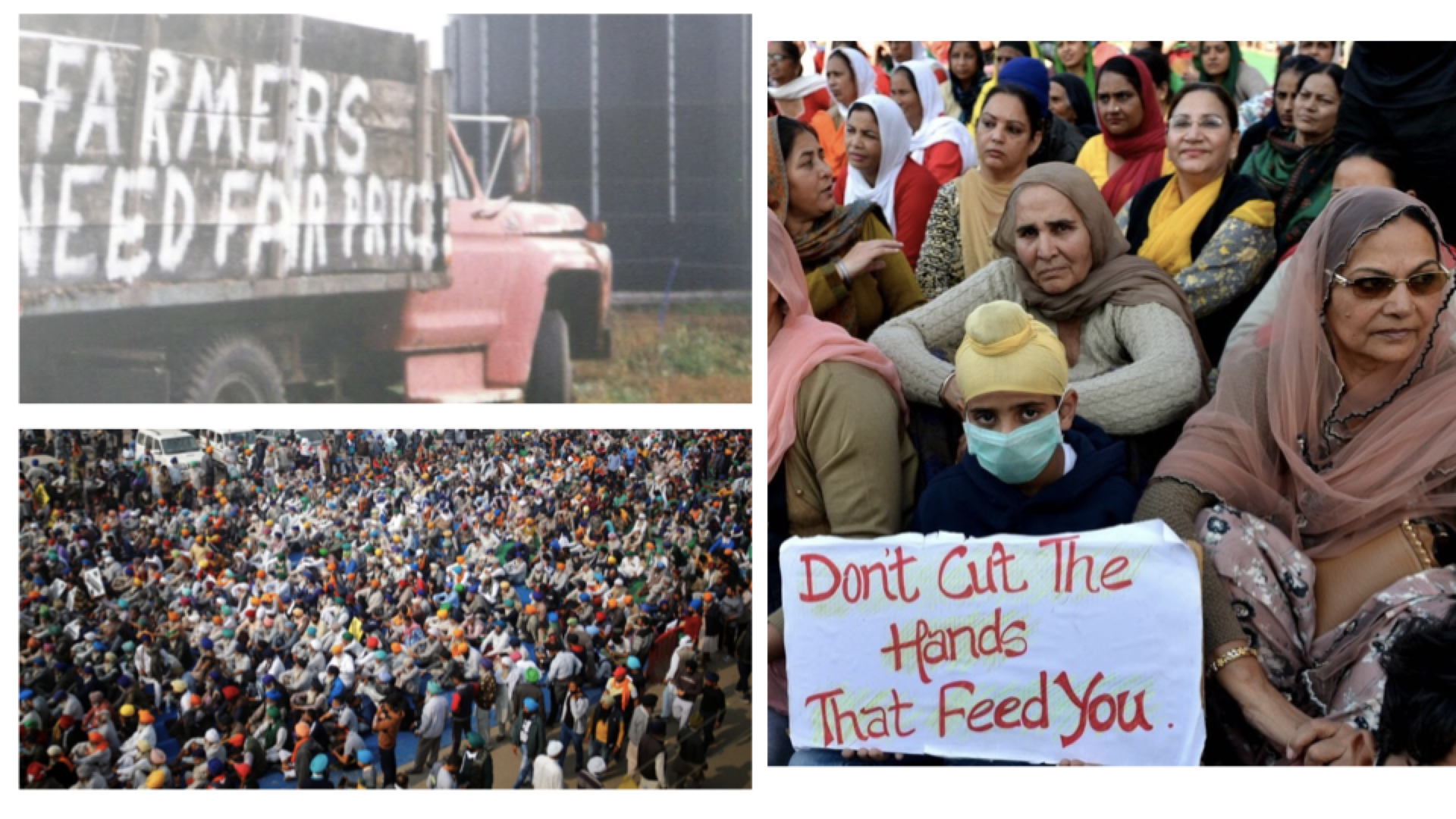
  • Parity Basics: What Parity Is and Is Not

    Parity Basics: What Parity Is and Is Not

    [cs_content][cs_element_section _id=”1″ ][cs_element_layout_row _id=”2″ ][cs_element_layout_column _id=”3″ ][x_button shape=”pill” size=”small” block=”false” circle=”false” icon_only=”false” href=”http://d2p.dreamhosters.com/wp-content/uploads/George-Naylor-Parity_-An-Economic-Foundation-for-an-Agroecological-System.pdf” title=”” target=”” info=”none” info_place=”top” info_trigger=”hover” info_content=”” class=”right hide”][x_icon type=”cloud-download” class=”mvn mln mrs”]Download PDF[/x_button][cs_element_raw_content _id=”5″ ][cs_content_seo][author]\n\n[/cs_content_seo][cs_element_raw_content _id=”6″ ][cs_content_seo][share title=”Share this Post” facebook=”true” twitter=”true” linkedin=”true” email=”true”]\n\n[/cs_content_seo][/cs_element_layout_column][/cs_element_layout_row][/cs_element_section][cs_element_section _id=”7″ ][cs_element_layout_row _id=”8″ ][cs_element_layout_column _id=”9″ ][cs_element_raw_content _id=”10″ ][cs_content_seo]Table of Contents

    1. Introduction
    2. Creating a Price Band for the Minimum Farmers Receive and Purchasers Have to Pay
    3. The Importance of Storable Commodities
    4. A Basis for Food Sovereignty, a Challenge to Global Corporate Power
    5. Not “Just Fair Prices for Farmers”
    6. Parity Pricing: A Benefit for Farmers, Society, and Future Generations

    \n\n[/cs_content_seo][cs_element_text _id=”11″ ][cs_content_seo]On the one hand, parity is simply a measure of the buying power of commodities over time –   measuring the value of commodities in “real dollars” or “inflation adjusted dollars.” This requires the construction of an index, called the prices paid index, based on changes in the costs of the things farmers pay for – inputs, interest, living expenses, taxes, insurance, hired labor wages, etc. The traditional parity index – the prices paid index provided for in law – takes 1910 to 1914 as the base period.
    The barometer of overall health of the agriculture sector has been gauged by the parity ratio.[extra id=”ref1″ href=”#fn1″ title=”Text of footnote 1″ title=”Footnote 1″ info=”popover” info_place=”top” info_trigger=”hover” info_content=”A simple graph of the parity ratio over time shows how it was always over 100% during that period and how it generally declined to today’s low. “][1][/extra]   An index of the prices farmers receive for all commodities is called the prices received index. The parity ratio is the ratio of the prices received index to the prices paid index, with the base period being 1910 to 1914. A parity farm program would intend for the parity ratio to be 100 percent, meaning that farm commodities, on average, maintain their purchasing power adjusted for inflation. In June 2020, it stood at 31 percent. When the New Deal farm programs were clearly aimed at parity, from 1941 to 1952, non-recourse loans for storable commodities were set at 90 percent and the parity ratio was always above 100 percent. Loans would be available as soon as the crop was stored at harvest which was due in nine months with interest. As the marketing season progressed, it’s likely that the price would go up from there to provide for at least “carry,” the cost of storage and interest, so that the loan could be paid back with interest.\n\n[/cs_content_seo][/cs_element_layout_column][/cs_element_layout_row][/cs_element_section][cs_element_section _id=”12″ ][cs_element_layout_row _id=”13″ ][cs_element_layout_column _id=”14″ ][cs_element_text _id=”15″ ][cs_content_seo]Creating a Price Band for the Minimum Farmers Receive and Purchasers Have to Pay\n\n[/cs_content_seo][cs_element_text _id=”16″ ][cs_content_seo]A parity price for each commodity would simply be the average price of each commodity during the base period times the parity index/100. The parity index for June 2020 stood at 2,952, so each parity price should be the average price during 1910 to 1914 times 29.52. In short, parity farm prices would be about 30 times higher than market prices today. (Agricultural Prices by the National Agricultural Statistics Service (NASS), Agricultural Statistics Board, United States Department of Agriculture (USDA))
    Policy can aim for an overall parity ratio of 100 percent. Operationally, the goal would be to keep the prices within a band centered on a parity price. Storable commodity prices can be set with little doubt about the reliability of the price band, with a price support – a non-recourse loan or a standing offer to buy at a minimum price, creating a floor price. Any surplus in any given year not absorbed by the market at the floor price will be withheld from the market in a food security reserve and only released at the upper level of the price band. This food security will be paid for and administered by the government through use of a farmer-owned reserve, government-owned storage, or payment for commercial grain storage. (Then-Secretary of Agriculture Earl Butz sold off all government storage facilities in the early 1970s.)
    An important point: A farm program must deal with the natural reaction in a market economy to increase supplies in response to increased prices. Therefore, to avoid wasteful overproduction, the Secretary of Agriculture will create a supply management system by determining annually the nation’s required production to be assigned equitably to farms and enforced locally with the supervision of democratically elected committees. A quota system, as used in Canada for milk, turns the farmer’s thinking right side up for a beneficial environmental outcome: to meet the quota, the farmer will minimize costs for inputs like chemicals and fertilizer while maximizing conservation and care for the land. Land no longer needed for soil depleting annual crops can be shifted to perennial hay and pasture to be used for extensive livestock production and more sound crop rotations.
    This system of “supply management” must be designed after the guarantee of a price floor, not before. If the idea is to restrict production to raise prices, we could be creating a food shortage that no one would want, especially if there are no food security reserves. Also, if production is restricted by “supply management” to raise prices, it will be a guessing game as to what the resulting prices will be – weather, crop disease, and political events could intervene to throw predictions completely off. With such uncertainty, farmers are still stuck in the casino mode of when to sell their crops and reading tea leaves from “market advisers.”\n\n[/cs_content_seo][/cs_element_layout_column][/cs_element_layout_row][/cs_element_section][cs_element_section _id=”17″ ][cs_element_layout_row _id=”18″ ][cs_element_layout_column _id=”19″ ][cs_element_text _id=”20″ ][cs_content_seo]The Importance of Storable Commodities\n\n[/cs_content_seo][cs_element_text _id=”21″ ][cs_content_seo]Land in the US devoted to fruits and vegetables is only around 12 million acres, while acres committed to storable crops is closer to a quarter billion acres. Since feed grains and oilseeds provide the main ingredients of feed for concentrated livestock production, stabilizing the storable commodity sector at parity with supply management will have a profound effect on environmental outcomes and the price level of livestock (see the Starbuck and Anderson essays). These price levels will also give an indirect boost to the price levels of fruits and vegetables, since higher livestock prices will make the prices of fruits and vegetables lower in comparison. Federal marketing orders for fruits and vegetables can stabilize prices aimed at parity prices as published by USDA.\n\n[/cs_content_seo][/cs_element_layout_column][/cs_element_layout_row][/cs_element_section][cs_element_section _id=”22″ ][cs_element_layout_row _id=”23″ ][cs_element_layout_column _id=”24″ ][cs_element_text _id=”25″ ][cs_content_seo]Parity—a Basis for Food Sovereignty, a Challenge to Global Corporate Power\n\n[/cs_content_seo][cs_element_text _id=”26″ ][cs_content_seo]Neoliberal free market policy under various free trade agreements requires borders to be open to imports which eliminates every country’s food sovereignty – the ability to set policy to assure domestic production and just prices for producers. Under old US legislation that aimed at parity, the Secretary of Agriculture could limit imports if the price support mechanism and quantities of reserves accumulated were destabilized. .In today’s world, every politician should be asked if it makes sense that global prices for corn and soybeans imposed on US farmers be even more depressed by the burning of Amazon rainforest to make way for millions more acres of corn and soybeans that will feed animals in CAFOs anywhere in the world.\n\n[/cs_content_seo][/cs_element_layout_column][/cs_element_layout_row][/cs_element_section][cs_element_section _id=”27″ ][cs_element_layout_row _id=”28″ ][cs_element_layout_column _id=”29″ ][cs_element_text _id=”30″ ][cs_content_seo]Parity—not just “Fair Prices for Farmers”\n\n[/cs_content_seo][cs_element_text _id=”31″ ][cs_content_seo]The economic outcome from prices supported at parity versus any means of improving farmer income by transferring taxpayer dollars to farmers will be profoundly different. Parity prices along with supply management will result in different structures of agriculture upstream and downstream. Upstream, livestock raised on family farms will outcompete CAFO production. Fewer bushels of corn and soybeans will be feeding fewer animals. When supply management lessens the acres devoted to grow corn and soybeans needed at lower levels, these acres can be switched to perennial hay and pasture or trees and native prairie restoration which will sequester more carbon in the soil, stop soil erosion, and create crop rotations that will not rely on artificial nitrogen fertilizer and chemical weed control.
    In other words, parity prices should not be interpreted as “just fair prices for farmers.” Downstream, parity prices like 13 dollars per bushel for corn and over 30 dollars per bushel for soybeans will change dramatically how corn and soybeans are used. CAFO livestock production will no longer be profitable with the sole purpose of extracting wealth from our people and the land to insure profits for anonymously owned corporations. Only limited quantities of biofuels to address motor car pollution will be produced from grain outside of quotas on suitable land. Small grains will provide feed and bedding for more humane animal husbandry.\n\n[/cs_content_seo][/cs_element_layout_column][/cs_element_layout_row][/cs_element_section][cs_element_section _id=”32″ ][cs_element_layout_row _id=”33″ ][cs_element_layout_column _id=”34″ ][cs_element_text _id=”35″ ][cs_content_seo]Parity—for the Benefit of Farmers, Society, and Future Generations\n\n[/cs_content_seo][cs_element_text _id=”36″ ][cs_content_seo]With parity pricing and supply management, every farmer, big and small, will no longer be producing more and more for less and less. As Jesse Jackson once said, “The best urban policy starts with the best rural policy.” A parity system will be restoring balance and economic opportunity to rural economies, while communities can democratically guide the new small business infrastructure. The livestock opportunities opened by availability of land for hay and pasture will appeal to young people wanting to get into agriculture. The few farmers we have today can take the lead in supporting our political efforts and provide firsthand knowledge of farming to newcomers not available in books or slick agribusiness propaganda. A society dedicated to parity and not disparity will inspire new healthy human and ecological relationships for generations to come.\n\n[/cs_content_seo][/cs_element_layout_column][/cs_element_layout_row][/cs_element_section][cs_element_section _id=”37″ ][cs_element_layout_row _id=”38″ ][cs_element_layout_column _id=”39″ ][cs_element_line _id=”40″ ][cs_element_text _id=”41″ ][cs_content_seo][extra id=”fn1″ href=”#ref1″ title=”” info=”popover” info_place=”top” info_trigger=”hover” info_content=”Jump back to footnote 1 in the text.”]1. A simple graph of the parity ratio over time shows how it was always over 100% during that period and how it generally declined to today’s low.  See graph https://www.gao.gov/assets/140/130704.pdf  (page 16 of the document; page 29 of pdf). [/extra]\n\n[/cs_content_seo][/cs_element_layout_column][/cs_element_layout_row][/cs_element_section][/cs_content]
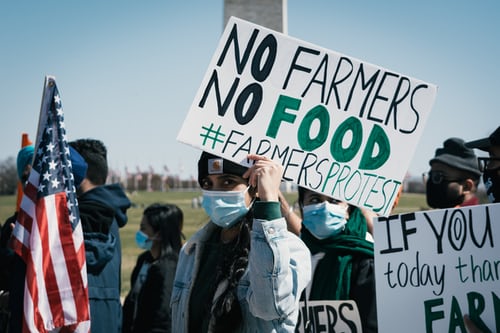
  • Parity: Re-Establishing the Human Relationship with Nature Through Community-Based Family-Scale Farms

    Parity: Re-Establishing the Human Relationship with Nature Through Community-Based Family-Scale Farms

    [cs_content][cs_element_section _id=”1″ ][cs_element_layout_row _id=”2″ ][cs_element_layout_column _id=”3″ ][x_button shape=”pill” size=”small” block=”false” circle=”false” icon_only=”false” href=”http://d2p.dreamhosters.com/wp-content/uploads/George-Naylor-Parity_-An-Economic-Foundation-for-an-Agroecological-System.pdf” title=”” target=”” info=”none” info_place=”top” info_trigger=”hover” info_content=”” class=”right hide”][x_icon type=”cloud-download” class=”mvn mln mrs”]Download PDF[/x_button][cs_element_raw_content _id=”5″ ][cs_content_seo][author]\n\n[/cs_content_seo][cs_element_raw_content _id=”6″ ][cs_content_seo][share title=”Share this Post” facebook=”true” twitter=”true” linkedin=”true” email=”true”]\n\n[/cs_content_seo][/cs_element_layout_column][/cs_element_layout_row][/cs_element_section][cs_element_section _id=”7″ ][cs_element_layout_row _id=”8″ ][cs_element_layout_column _id=”9″ ][cs_element_raw_content _id=”10″ ][cs_content_seo]Table of Contents

    1. Introduction
    2. Living on the Land and the ‘Knowledge of Doing’
    3. Multiple Harms of the CAFO Model
    4. Pitting Neighbor Against Neighbor
    5. How Did We Get Here?
    6. The Corporate Agribusiness Narrative
    7. Re-Establishing Relationships of Humans and Nature

    \n\n[/cs_content_seo][cs_text]In the spring of 1997, just a year after my father died, my mother found herself and our family farm in a situation that would ultimately require her to find the courage to speak out against what she saw as an affront to family farms and a dangerous direction for agriculture. She boldly and publicly opposed a 2,800-cow dairy confinement facility proposed to be built less than two miles from our family’s Iowa farmhouse. My mother was not alone in her deep concerns with what was happening to farming. Her story reflects the struggles of family-scale farmers, defined not simply as a nuclear family but more broadly as people with diverse human relationships, farming and working with each other and closely with the synergies of nature, while building essential elements of community. Throughout this country – and around the world – the struggle to farm with this set of ethical principles continues.  Corporate-dominated food and agriculture industries persists at exploiting nature and human labor. As these industries are supported by government policies, they have been able to grow at an accelerated pace. Parity is necessary to break the grip that corporations have on the ways we farm and the ways society thinks about farming.[/cs_text][/cs_element_layout_column][/cs_element_layout_row][/cs_element_section][cs_element_section _id=”12″ ][cs_element_layout_row _id=”13″ ][cs_element_layout_column _id=”14″ ][cs_element_text _id=”15″ ][cs_content_seo]Living on the Land and the ‘Knowledge of Doing’\n\n[/cs_content_seo][cs_text]

    Like the women and men who walk a similar path of living and working on the land to produce food, my mother had the ‘knowledge of doing.’ She helped care for the diversity of crops and animals so common and necessary to a sustainable and resilient farm, including dairy cows, beef cows, pigs, and chickens, as well as field crops, orchard, and garden. She also drew on the knowledge she had gained from her husband, parents, and neighbors – and the ancestors who came before them. This is the knowledge that she, in turn, shared with her children.

    She knew that confining thousands of animals into limited spaces went against the agrarian ethic of treating animals with the care and respect they deserve. Viewing farm animals as sentient beings with natural instincts that are partners in a mutually beneficial relationship was essential to the productivity of the farm and to the welfare of the animals.

    Global warming, what we now call climate change, was only beginning to be a commonly discussed issue in the late ‘90s. Now, research has confirmed that livestock on the farm play an important role in adding fertility to the crops and allowing for beneficial crop rotations in a closed-loop system, while reducing the need for off-farm inputs and sequestering carbon. Livestock raised on the land are better for the health of the animals and the soil, and for our climate.

    She My mother knew that the number of animals proposed for this site would require an enormous amount of water, increasing the risks of neighboring wells running dry and of underground water and the nearby river becoming contaminated.

    She knew that the price we got for the milk from our own dairy cows had been too low for years and that local creameries that bought our milk were being consolidated into larger, more distant processing facilities. By 1997, dairy cows had largely disappeared from Iowa’s family farms.

    [/cs_text][/cs_element_layout_column][/cs_element_layout_row][/cs_element_section][cs_element_section _id=”17″ ][cs_element_layout_row _id=”18″ ][cs_element_layout_column _id=”19″ ][cs_element_text _id=”20″ ][cs_content_seo]Multiple Harms of the CAFO Model\n\n[/cs_content_seo][cs_text]

    My mother knew that the labor involved with dairy cows is one of daily commitment that cannot be shirked. She could not have known that by 2021 much of the labor performed at dairies of this size and even larger would be done not by families and neighbors but largely by low-wage employees, many of them immigrants, toiling in poor working conditions for long hours.

    Nor could she have foreseen that the globalized market for feed would mean that dairy, hog, and poultry confinements would be more profitable for the corporate owners than for family farmers whose only option was to compete in this free market system. She couldn’t have imagined that Iowa would eventually have millions of pigs and chickens owned by corporations and housed in inhumane confinement facilities. Nor could she have imagined that anyone would think it wise to have as many as 30,000 dairy cows in one facility, as is the reality of the dairy industry today.

    Simply put, my mother had a sense deep in her bones that confining livestock into what we now call concentrated animal feeding operations, or CAFOs, would be a disaster for family-scale farms, rural communities, and the environment. She may not have been able to put these lived experiences and knowledge into words, but she understood that living close to the land was an important aspect of living. The connections between human beings and the non-human life in this world were being ripped away, tossed in the dumpster, deemed of no value with the CAFO model of livestock production.

    [/cs_text][/cs_element_layout_column][/cs_element_layout_row][/cs_element_section][cs_element_section _id=”22″ ][cs_element_layout_row _id=”23″ ][cs_element_layout_column _id=”24″ ][cs_element_text _id=”25″ ][cs_content_seo]Pitting Neighbor Against Neighbor\n\n[/cs_content_seo][cs_text]

    With strength and determination, my mother’s efforts and those of others in the county resulted in the proposed dairy moving to another Iowa county where it continues today in 2021, with 3,600 cows and 35 employees. However, just as Carolyn Johnsen wrote in her 2003 book, “Raising a Stink,” which delved into the impact of the expanding number of hog confinements on communities in Nebraska, this proposed dairy created a contentious rift between members of the community, pitting neighbor against neighbor. In fact, those in the community who saw this dairy as economic development and a provider of jobs ridiculed and shunned my mother and the others who opposed it.

    Thus, it wasn’t surprising that the publisher and editor of the county seat’s newspaper wrote this stinging op-ed in June of 1997 after the dairy promoters withdrew their plans:

    “Some rural residents [near the proposed dairy] … are no doubt gloating. While developers of the dairy concept were up front with their intentions, the opposition hit below the belt with an anonymous letter writing campaign and an attempt to establish a permanent residence by hauling in a camper to a field near the projected dairy site. The opposition not only dealt a couple of low blows to the developers, they gave Guthrie County two black eyes in the process. Future economic development in the county may have been irreparably damaged by the knee-jerk reaction of the opposition who closed their ears and eyes but not their mouths, not even after Brown told of his company’s decision to forsake Guthrie County.  … For me, the loss of high paying jobs, new technology in the county, and a good corporate citizen are much worse than the potential smell of cattle manure.”

    Jobs. Technology. Corporations as citizens. Ridicule thrown at anyone who sees things differently. All in pursuit of rural economic development. This same mantra not only continues to this day, but has intensified.

    [/cs_text][/cs_element_layout_column][/cs_element_layout_row][/cs_element_section][cs_element_section _id=”27″ ][cs_element_layout_row _id=”28″ ][cs_element_layout_column _id=”29″ ][cs_element_text _id=”30″ ][cs_content_seo]How Did We Get Here?\n\n[/cs_content_seo][cs_text]

    These notions all came from the agribusiness industry narrative and were fed by the desperation that rural communities were experiencing by the late 1990s. That desperation is far worse today as the backbone of these communities – the farm families – continue to disappear. Even so, few people, from small towns to the halls of political power, will dare to question the industry-driven narrative that has become ingrained into an unthinking acceptance of the industrial production model.

    Forgotten is the fact that, in diverse cultures throughout history, family-scale farms have been the builders of communities, supporting local businesses, schools, and health clinics, while producing food for others in ecologically-sound ways. Forgotten is the social contract between farmers and non-farmers that recognizes the common good that comes from the land – when agriculture does not just produce a commodity, but when farming defines community.

    [/cs_text][/cs_element_layout_column][/cs_element_layout_row][/cs_element_section][cs_element_section _id=”32″ ][cs_element_layout_row _id=”33″ ][cs_element_layout_column _id=”34″ ][cs_element_text _id=”35″ ][cs_content_seo]The Corporate Agribusiness Narrative\n\n[/cs_content_seo][cs_text]

    The corporate agribusiness narrative, accepted and reinforced by politicians, tells us that to revitalize rural areas, we need to simply focus on jobs; technology will solve our problems; and corporate largess can be relied on to benefit our communities and our environment – and to feed us. In addition to those assertions, the agribusiness narrative tells us that to improve agriculture’s profitability, we need more exports and more uses for our products, without considering the multiple problems created by this intensive system.

    Since that still isn’t enough to ensure family farms can stay in business, agribusiness now tells us that new revenue streams created through carbon markets or from payments to farmers for corporate-defined ‘regenerative’ farming practices beginning with herbicide-dependent no-till – just two of the greenwashing false solutions to climate change – will be satisfactory. In the meantime, the actual prices farmers are paid for their products remain too low, benefiting only the corporate buyers of those products.

    We, all of us, are left with a dehumanizing technology-dependent method of producing, processing, and delivering food, reinforcing the idea that people are above nature rather than being one with nature.

    We are clueless as multiple crises, directly and indirectly related to the high-input, chemical-intensive industrial model of agriculture that extracts wealth from nature and from human labor, affect our one precious world. Huge tracts of annual crops, livestock in confinements, and forests turned into plantations are implicated as contributors to these threats to our very existence.

    Climate change and a global pandemic are at the top of our consciousness of crises, but we can’t forget other crises: species extinction, insect population collapse, diet-related diseases, systemic racism and oppression, and millions of people living in poverty and experiencing food insecurity, with wars and conflicts exacerbating all these crises.

    These crises are linked to what we began calling a farm crisis in the 1980s. This farm crisis, that developed since the removal of New Deal policies that gave parity prices to farmers and was followed by the enactment of policies that pushed farmers into the free market global economy, continues. The results have been the depopulation of rural communities as farmers leave the land in Iowa and in regions around the world. Local food production is in serious decline as farmers become employees on managed farmland of industrial production or move to cities to compete with other job seekers.

    To truly confront the crises of our own making, we can’t rely on the current power held by corporations – including seed, chemical, and food manufacturing companies – and by politicians to change this agriculture system. A few tweaks of the system through individual legislative actions will not be enough.

    [/cs_text][/cs_element_layout_column][/cs_element_layout_row][/cs_element_section][cs_element_section _id=”37″ ][cs_element_layout_row _id=”38″ ][cs_element_layout_column _id=”39″ ][cs_element_text _id=”40″ ][cs_content_seo]Re-Establishing Relationships of Humans and Nature\n\n[/cs_content_seo][cs_text]

    We need parity. The principles of parity are not just about fair prices for farmers. Parity, as described more fully by the essayists at DisparitytoParity.org, takes on the corporate power structure and market-based economic conditions, and redefines the purpose of government. Only then can the rules be changed to benefit humans and our one precious world. Basing the prices paid to farmers on parity recognizes that food and farming have a unique role in how people relate to each other and how we live on this planet.

    We need to radically change our food and agriculture system so that it reflects the knowledge that my mother had and that many citizens of this planet still feel deep in their bones and in their souls. Family-scale farms – those built of diverse human relationships and essential elements of community, that allow for re-establishing the human relationship to nature – will be possible in a parity system that ends the stranglehold corporations have on us. Then, we will have a future in which we can reconnect with the natural world, and no longer see ourselves as separate from nature. Each and every one of us will enjoy a society based on parity, not disparity.

    [/cs_text][/cs_element_layout_column][/cs_element_layout_row][/cs_element_section][/cs_content]

  • US Interventionism, Climate Change and Organizing Low-Wage Food Chain Workers: An Interview with Jose Oliva

    US Interventionism, Climate Change and Organizing Low-Wage Food Chain Workers: An Interview with Jose Oliva

    [cs_content _p=’820′][cs_element_section _id=”1″ ][cs_element_layout_row _id=”2″ ][cs_element_layout_column _id=”3″ ][x_button shape=”pill” size=”small” block=”false” circle=”false” icon_only=”false” href=”http://d2p.dreamhosters.com/wp-content/uploads/George-Naylor-Parity_-An-Economic-Foundation-for-an-Agroecological-System.pdf” title=”” target=”” info=”none” info_place=”top” info_trigger=”hover” info_content=”” class=”right hide”][x_icon type=”cloud-download” class=”mvn mln mrs”]Download PDF[/x_button][cs_text _bp_base=”4_4″] Jose Oliva   Elizabeth Henderson[/cs_text][cs_element_raw_content _id=”6″ ][cs_content_seo][share title=”Share this Post” facebook=”true” twitter=”true” linkedin=”true” email=”true”]\n\n[/cs_content_seo][/cs_element_layout_column][/cs_element_layout_row][/cs_element_section][cs_element_section _id=”7″ ][cs_element_layout_row _id=”8″ ][cs_element_layout_column _id=”9″ ][cs_element_text _id=”10″ ][cs_content_seo]How do you see the connections among immigration, injustices to working people, climate change, and fair pricing for farm products?\n\n[/cs_content_seo][cs_element_text _id=”11″ ][cs_content_seo]There are big connections that are obvious to immigrants who have come here because of climate change. One direct example in my story is the CIA intervention [in Guatemala] that triggered civil war, made millions flee, and took the land away from small farmers and gave it to the multinationals. This created two conditions – poverty: people who had been able to grow food for themselves and sell a little – that was gone. Those folks, the peasants, were suddenly workers who had to go to work in the plantations run by the transnational corporations, but many had to leave the country altogether.
    The redistribution of land also caused climate chaos because you went from traditional farming methods that include the three sisters – corn, squash, beans – that create micro-environments that are regenerative. The transnational corporations reimplemented monoculture: sugar cane, bananas, coffee, and other tropical fruit for import into the US. This also triggered the beginning of an entire mono  crop culture in Guatemala. If you were a farmer, to compete, to have your crops worth anything, you had to grow more and more and use more chemicals.
    1954 devastated Guatemala. Most of those who lost their land ended up working on plantations. Folks were bussed into the huge plantations and lived there for six months of the year in farmworker housing that was not necessarily free, or even cheap. You work for six months of the year away from your family and then you are unemployed for six months during the rainy season. Earnings were in Quetzales, Guatemalan currency. So why not come to the US and earn dollars? The peasants have been displaced from their ancestral lands. Corporate monocrops triggered the loss of deep-rooted vegetation, so during the rainy season you have huge landslides. Because of overall climate chaos, you have more violent storms that are more frequent than in the past. There had been one big hurricane per generation since the ‘70s; these days, there are a handful every year. Most of those who leave are former farmers. They come to the US and do farm work. If you come from the city, you do restaurant work. Either way, you end up in the food system. According to Axel Fuentes, Director of the Rural Community Workers Alliance in Missouri, and a Guatemalan, the workers’ center services a mainly refugee population and a big percentage of the workers in meat processing are Guatemalan.\n\n[/cs_content_seo][cs_element_text _id=”12″ ][cs_content_seo]How would better prices for farmers help?\n\n[/cs_content_seo][cs_element_text _id=”13″ ][cs_content_seo]We have talked to farmers on different scales – from 10 to 50 workers. Farmers will tell you they can’t pay more because the crops sell at a price point that is way too low. They are living from hand to mouth. So, the pay they make creates their quality of life. If they pay their workers a living wage, they are left with nothing. It’s a balancing act. Most farmers are not dismissive about paying less than what is fair. Especially for smaller farmers, if they had an increase, the money would go to the workers to increase wages and provide benefits. Those farmers are working too; they know how difficult farm work is.
    As part of the Real Meals Campaign at the HEAL Food Alliance, we are working with Aramark, Sodexo, and the Compass Group. We met with them – shamed them – and some have been open to working with us and negotiating. The campaign demands that they invest in getting more Black and Indigenous People of Color (BIPOC) producers in their supply chain. We chose North Carolina as one location to do a pilot, but this experiment isn’t over yet. As soon as we start talking about infrastructure where we need investment, the conversation slows down. But the question is an important one: what improvements and investments are needed to create equity? When we talk about what the real price has to be to keep these farmers afloat – the conversation slows down. One effect of the COVID-19 crisis – more people are interested in buying directly from farmers. How can large scale buyers highlight their commitment to BIPOC producers in the marketplace? This has to do with the reality that these are businesses and they have a bottom line. Our strategy is to figure out how we impact their bottom line.\n\n[/cs_content_seo][cs_element_text _id=”14″ ][cs_content_seo]Why do you consider unions so important to your strategy?\n\n[/cs_content_seo][cs_element_text _id=”15″ ][cs_content_seo]When we first started Food Chain Workers Alliance (FCWA), we were pretty clear, and this was Nelson Carrasquillo’s position, that we did not want big unions in the Alliance. Not because we did not agree, but we wanted to be sure that BIPOC people set the terms, people who had been working under current conditions. We also knew that the real end goal was going to have to be to influence the big unions. Whether we like it or not, they are the only organizations on our end of the political spectrum that have the resources and the history to unite working people in a common strategy aimed at improving working conditions, wages, and overall dignity. There is no other player in any sector that shares those elements.
    So, the goal was to establish a united front of workers’ centers that had a clear vision of transformation of the food system, and then bring unions along. While I was at FCWA, we did not succeed in doing that, but the new directors are getting closer. They have pivoted to organizing in labor. That will have an impact on how unions perceive food workers. SEIU has been supportive of Fight for $15 and union locals have backed the Restaurant Opportunities Center (ROC) effort. ROC and Service Employees International Union [SEIU] have been sharing strategies to try to understand how to work together. When Fight for $15 was launched, some of the things they were doing mimic ROC, a flattering use of techniques ROC pioneered. The big unions have never joined FCWA: they have a close relationship, but not membership. Some of the more progressive locals are members and two national unions (Retail, Wholesale, and Department Store Union [RWDSU] & Unite Here in the US and a Quebec-based union) as well as a number of local unions (United Food and Commercial Workers [UFCW] 770, Familias Unidas & Burgerville Workers Union).\n\n[/cs_content_seo][cs_element_text _id=”16″ ][cs_content_seo]How did you come to found HEAL? Can you tell us a bit about your history?\n\n[/cs_content_seo][cs_element_text _id=”17″ ][cs_content_seo]I was born and raised in Xelaju, Guatemala. My grandfather earned a PhD in economics. On the eve of WWII, he was caught up in the wave of idealism, he joined women and workers and civil society in overthrowing the dictatorship in Guatemala. They were successful and established the first democracy in 1940. Later, the democratically elected President, Jacobo Arbenz, asked my grandfather to be Vice-Minister of Agriculture, with the first job to do an assessment of the amount of arable land in the country. He found out that United Fruit Co (aka Chiquita) owned two-thirds of all arable land. The plan was to divide up the big holdings and give the land to landless people. The Arbenz government nationalized all idle arable land and paid market rate for it, literally paying the companies for the land they owned. There was an interesting personality involved: the CEO of United Fruit was John Foster Dulles whose brother was head of the CIA (Allen Dulles). He told his brother that it was a commie takeover – this is what triggered the CIA coup. Guatemala and Iran were the first CIA efforts in overthrowing a foreign head of state. This intervention precipitated a civil war that lasted 36 years until the 1996 peace accord. Over 200,000 died and one million were displaced, including my family.
    In 1985, we came to the US. In Guatemala, my mom had been a school teacher. She ended up getting a job as a restaurant worker outside Chicago. As happens to many women working in restaurants, my mother was sexually harassed and suffered wage theft. Abuse was prevalent. But I was a child and when we would go and pick her up, I liked the workplace – it was abuzz with energy. I fell in love with the restaurant industry. I did not know about the abuses and what she was going through. We were undocumented asylum seekers until 1991 when a settlement was reached in the class action suit against the Immigration and Naturalization Service brought in 1985 by the American Baptist Church. That was how my family got papers. But I was already over 18, so I was not included and had to figure out another way to go to school. To pay my way, I took work in the restaurant industry. I did not have other options, but I didn’t feel like it was that bad. I started college in 1991 and spent ten years working in restaurants. I worked in every segment with many different jobs. My first job was in fast food as a cashier. My second job was at Shoney’s, where they have a buffet style restaurant. Customers get food themselves and they didn’t feel like they had to tip. On weekdays, I would go home with 10 dollars in my pocket. The actual pay was $2.13/hour, the federal minimum wage for tipped workers. When that wage was established, as a “compromise” by the Democrats to get Republicans to vote for an increase in the regular minimum wage, $2.13 was 50 percent of the minimum wage. It has been frozen ever since with horrible consequences for decades.
    After I finished college, while working in a fancy fine dining restaurant on the Northside of Chicago, I started on my path to being an organizer. I was really only working in restaurants because of money. If you stay long enough and work front of the house, you make a good wage because of tips. The reality is – the percentage who do that is very small compared to all the others who work in the kitchen or those working at casual, fast food, etc. There was unrelenting abuse by the managers and owners. My co-workers and I, we would hang out after work at a local bar and talk about how horrible work was. At one of those sessions, we talked about organizing a union. At the time, I was volunteering at Casa Guatemala, so I knew a little about unions. I brought an organizer to meet with us. I was very disappointed and angry at the result. He said it was not possible to organize a restaurant staff of only 50. I later came to understand that unions lacked resources for many small units.
    So, we decided to organize ourselves. We did not know what we were doing. One person in our little group was religious and talked to his priest who got on board with us. We ended up doing an action: we got a bunch of our co-workers together to confront the boss. We thought we had overwhelming power: “There’s no way he can say no.” We marched in with a list of demands: end sexual harassment and wage theft. When he saw us, he ordered us all to get out of his restaurant. We found ourselves outside. “So what do we do now?”
    We had a good tactic, but not a full strategy. He fired two of us who he thought were the leaders – my white friend Dave, a waiter, and Martin, who was a runner. We came back next day with the priest and Univision, the Spanish language TV station. Once again, we did the same thing. We delivered our petition, but this time, we knew we would get kicked out, so outside we leafletted. We had researched our rights. We ended up signing an agreement with the owner that he would fire the manager who was sexually harassing, that tips would go directly to workers and there would be a monthly meeting to assess if the agreement was being applied fairly.
    At first, I thought it was amazing – we had developed a new model of organizing! We could take this to other restaurants. And that is how we founded the Chicago Interfaith Workers Center (2003 – it has since been renamed Arise Chicago) starting with folks we were organizing with the support of that priest. The National Employment Law Project invited me to speak about workers’ centers, “our new model,” at an event in NY on a panel with ROC (the Restaurant Opportunity Center). Saru Jayaraman, the founder, blew me away. Not only were we not the only ones doing this kind of organizing of low-income workers – they were way ahead of us. So we decided to join forces with Saru. In 2006, we had developed the network into ROC United, organizing restaurant workers around the country.\n\n[/cs_content_seo][cs_element_text _id=”18″ ][cs_content_seo]Food Chain Workers\n\n[/cs_content_seo][cs_text _bp_base=”4_4″]While doing this, we were noticing a change – restaurant customers were asking questions about the food. Where does the chicken come from? is the produce organic?  At first, we thought – just another trend. Then we realized it was more than that, that people were taking food as having a deeper meaning; we experience cultural values through the food we are eating and the environmental impact of the way the food is grown. And food waste. The way we thought about it, there was something missing: the workers – the people who do the work growing, packing, processing, cooking, serving. It became evident that we couldn’t just focus on restaurant workers. That was the beginning of the Food Chain Workers Alliance (FCWA) in 2008, to bring together all the people organizing food workers. Nelson Carrasquillo was pivotal. He was General Coordinator of the Farm Worker Support Committee (CATA – Comite de Apoyo a los Trabajadores Agricola) based in New Jersey. He talked about how similar farmworkers and restaurant workers are. Brandworkers joined too. There were five or six organizations. We decided to create an alliance – Food Chain Workers Alliance (FCWA).[/cs_text][cs_element_text _id=”20″ ][cs_content_seo]Health, Education, Agriculture, Labor\n\n[/cs_content_seo][cs_text _bp_base=”4_4″]

    Climate change was becoming an important issue. Everyone in the climate movement was talking about energy and a few about food waste and transportation. But if you look at the causes of climate change, it is bigger than energy. It is imperative to bring together food and climate. We started to bring together what we called Food Blocks. There are four sectors – health and nutrition, the environment, access to good food in rural and urban areas, and labor. Though we were not calling it HEAL (the Health, Environment, Agriculture and Labor Food Alliance) at the time.

    It wasn’t till 2012, when we ran into Navina Khanna at a gathering organized by us (FCWA) at the Ford Foundation. After the meeting, she pulled me aside and showed me a report she had written – “From Field to Forest.” In this report she mapped the food movement and the organizations that consider themselves part of it. It had everyone we thought of and a lot more – it was like my original meeting with Saru. We compared notes and I discovered that her organizing had outpaced ours. It didn’t make sense to continue separately without Navina, so instead of competing, we merged the processes. She was calling together strategy circles around the country. Her lens included something we did not have as a focus: which ones include BIPOC folks in their leadership? What is the power distribution between the white and BIPOC groups?

    That was it! From that point forward, we made sure the folks we had talked to, the FCWA members, were centrally invested and making decisions in how to move it forward. We went through a two-year process to agree to a theory of change, our focus for strategy, and to build a program for our coalition, our platform. We did not want to launch HEAL publicly until the process was completed. In 2015 in Chicago was the first meeting where we called it the HEAL Food Alliance. The platform includes the elements and the strategy to get there. It is a blueprint and a process for moving forward. Not perfect – there are things we can add. But if it were implemented tomorrow, we could radically transform the food system and provide justice in so many realms.

    [/cs_text][/cs_element_layout_column][cs_element_layout_column _id=”22″ ][cs_element_text _id=”23″ ][cs_content_seo]Our Solutions

    \n\n[/cs_content_seo][cs_element_text _id=”24″ ][cs_content_seo]Reduce and regulate industry consolidation: implement and enforce anti-trust law, especially the Packer and Stockyards Act, and strengthen “Actively Engaged in Farming” rules
    Reform federal farm subsidy programs, including the federal crop insurance program, so that they equally support diverse growing practices and all farmers, including farmers of color, small and midsize farmers, and independent and historically underserved farmers
    Re-instate supply management and grain reserves and a fair pricing system
    Secure fair pricing and contracts for livestock, produce, and seafood
    Reclaim public institutions to achieve greater transparency: keep land grants in the public interest, and ensure representation of farmers, workers, and consumers on government advisory bodies
    Fight and reduce financial speculation in food and agriculture
    Reform trade rules and trade institutions to rebuild and protect local food systems, and establish transparent processes for public review and input
    \n\n[/cs_content_seo][cs_element_raw_content _id=”25″ ][cs_content_seo]\n\n[/cs_content_seo][/cs_element_layout_column][/cs_element_layout_row][/cs_element_section][cs_element_section _id=”26″ ][cs_element_layout_row _id=”27″ ][cs_element_layout_column _id=”28″ ][cs_element_line _id=”29″ ][cs_element_gap _id=”30″ ][cs_element_text _id=”31″ ][cs_content_seo]US Interventionism, Climate Change and Organizing Low-Wage Food Chain Workers: An Interview with Jose Oliva by Elizabeth Henderson and Jose Oliva is licensed under CC BY-SA 4.0 \n\n[/cs_content_seo][/cs_element_layout_column][/cs_element_layout_row][/cs_element_section][cs_element_section _id=”32″ ][cs_element_layout_row _id=”33″ ][cs_element_layout_column _id=”34″ ][cs_element_raw_content _id=”35″ ][cs_content_seo][author]
    [author author_id=”13″]\n\n[/cs_content_seo][/cs_element_layout_column][/cs_element_layout_row][/cs_element_section][/cs_content]
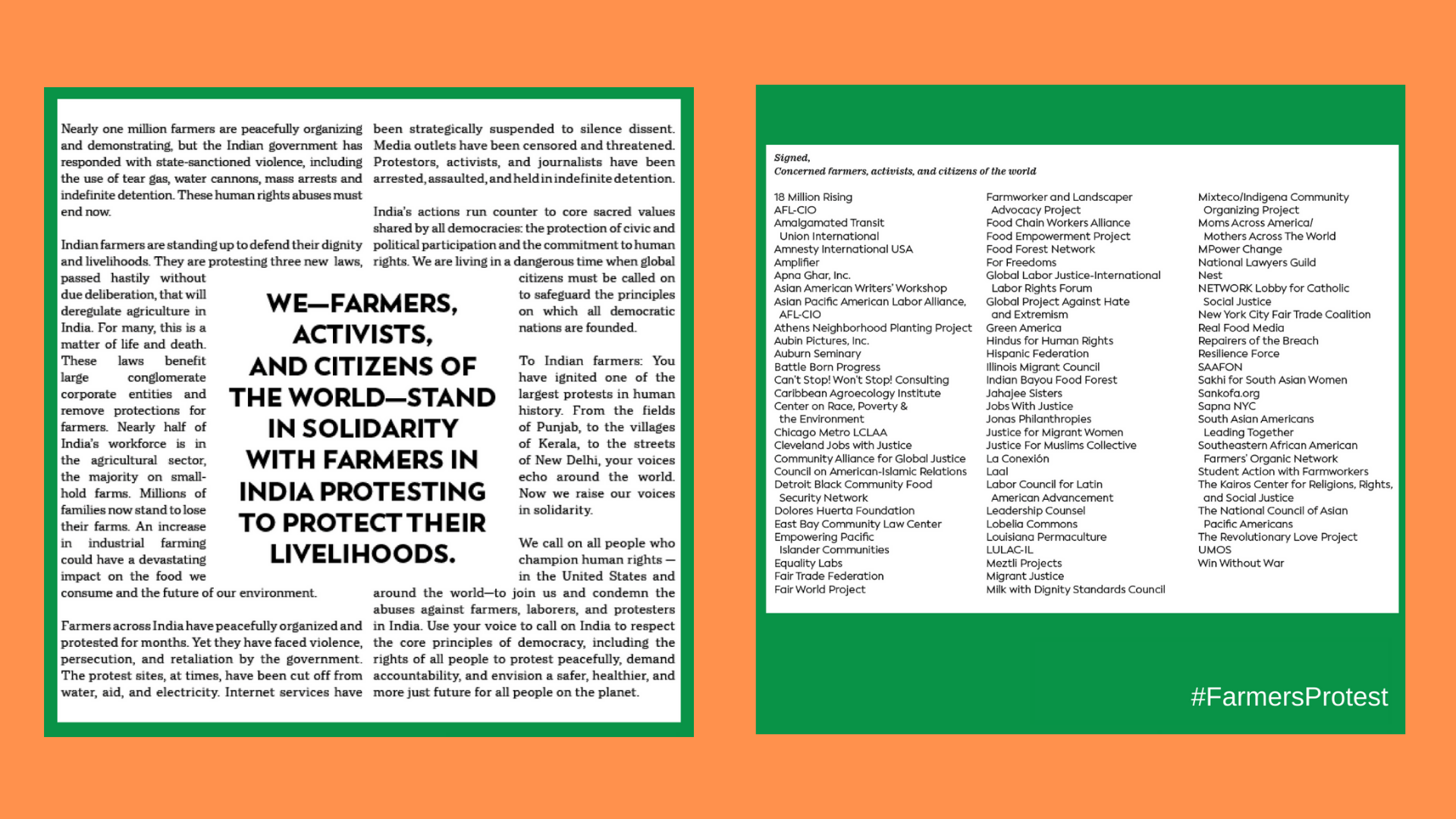
  • Dairy Together: Building a Farmer-Led Movement for Supply Management

    Dairy Together: Building a Farmer-Led Movement for Supply Management

    [cs_content][cs_element_section _id=”1″ ][cs_element_layout_row _id=”2″ ][cs_element_layout_column _id=”3″ ][x_button shape=”pill” size=”small” block=”false” circle=”false” icon_only=”false” href=”http://d2p.dreamhosters.com/wp-content/uploads/George-Naylor-Parity_-An-Economic-Foundation-for-an-Agroecological-System.pdf” title=”” target=”” info=”none” info_place=”top” info_trigger=”hover” info_content=”” class=”right hide”][x_icon type=”cloud-download” class=”mvn mln mrs”]Download PDF[/x_button][cs_element_raw_content _id=”5″ ][cs_content_seo][author]\n\n[/cs_content_seo][cs_element_raw_content _id=”6″ ][cs_content_seo][share title=”Share this Post” facebook=”true” twitter=”true” linkedin=”true” email=”true”]\n\n[/cs_content_seo][/cs_element_layout_column][/cs_element_layout_row][/cs_element_section][cs_element_section _id=”7″ ][cs_element_layout_row _id=”8″ ][cs_element_layout_column _id=”9″ ][cs_element_raw_content _id=”10″ ][cs_content_seo]Table of Contents

    1. Introduction
    2. Dairy Farmers Are in Crisis
    3. Dairy Together and the Farmer-Led Movement
    4. Growing Our Coalition
    5. Considering a ‘Market Access Fee’
    6. Dairy Together’s Policy Goals
    7. More Farms, Not Bigger Farms

    \n\n[/cs_content_seo][cs_element_text _id=”11″ ][cs_content_seo]In April 2017, we got a startling wake-up call. A large butter processor, Grassland Dairy Products Inc., based in Greenwood, Wisconsin, sent form letters to 58 dairy farmers, abruptly stating that they would no longer be picking up the milk from their farms effective in 30 days. Over the next year, other farmers in Wisconsin and other states received similar letters from their processors.
    My husband and I dairy farm with his family in Columbia County, Wisconsin. We milk 400 cows on the farm that has been in his family for over 100 years. Fortunately, we did not receive one of these letters. However, this was a startling new reality for us. Wisconsin farmers have benefitted over the recent decades from a relatively robust and distributed network of cooperatively owned and private processing infrastructure. In the past, farmers had choices of where to send their milk and often had processors coming to them, wooing them to switch, to get more milk on their truck routes to fill butter churns and cheese vats.\n\n[/cs_content_seo][cs_element_image _id=”12″ ][/cs_element_layout_column][/cs_element_layout_row][/cs_element_section][cs_element_section _id=”13″ ][cs_element_layout_row _id=”14″ ][cs_element_layout_column _id=”15″ ][cs_element_text _id=”16″ ][cs_content_seo]Dairy Farmers Are in Crisis\n\n[/cs_content_seo][cs_element_text _id=”17″ ][cs_content_seo]After the notification from Grassland Dairy Products Inc, farmers, milk haulers, processors, advocates and state government officials came together and were able to find new homes for the displaced milk from the Grassland farmers. The immediate crisis for those individual farms was perhaps averted, but the larger, structural issue was still looming: Farmers were producing more milk than the processors and marketers could move. This was a main cause of the low prices paid to farmers, plaguing the industry and accelerating dairy farmers exiting the business, or worse yet, declaring bankruptcy. The vicious cycle of too much milk, leading to low prices, where only bigger and bigger farms can survive, which then leads to more milk produced, continues to speed up. It is important to note, that this trend towards fewer but larger farms, also has ecological implications. Concentrating more and more animals in fewer places also concentrates the ecological risk. The manure management and nutrient loading, when not properly managed poses increased risks to water quality, both groundwater and surface water.
    The 2017 shock came two years into a five-year price trough for farmers. Dairy farmers, and most US commodity farmers, for that matter, are used to low price periods, but at least in dairy the price cycles normally were limited to one or two years of low prices, followed by a corresponding up-cycle of higher prices. Using loans and savings, farmers could usually weather the low-price “storms.” But this time, there has been no upswing. Other than some one- or two-month blips of higher prices along the way, dairy farmers have been burdened with prices well below their cost of production. It is no surprise then that Wisconsin has seen a record loss of dairy farms.\n\n[/cs_content_seo][/cs_element_layout_column][cs_element_layout_column _id=”18″ ][x_image type=”none” src=”695:full” alt=”” link=”false” href=”#” title=”” target=”” info=”none” info_place=”top” info_trigger=”hover” info_content=””][/cs_element_layout_column][cs_element_layout_column _id=”20″ ][cs_element_text _id=”21″ ][cs_content_seo]What is perhaps a surprise to the casual observer is that through this time of record low prices and farm loss, overall dairy production has in fact continued to rise [figure on production increase from NASS].
    I took Economics 101 in college and was taught that if “the market” was sending farmers a consistent low-price signal, that should cause a supply reaction to back off of production to create some scarcity that would lift the price back up to some supposed equilibrium. Clearly that textbook equilibrium was not functioning on the ground. It looks nice in your economics textbook, but in reality, the signals are not working that way and farmers are going broke.\n\n[/cs_content_seo][/cs_element_layout_column][/cs_element_layout_row][/cs_element_section][cs_element_section _id=”22″ ][cs_element_layout_row _id=”23″ ][cs_element_layout_column _id=”24″ ][cs_element_text _id=”25″ ][cs_content_seo]Dairy Together and the Farmer-Led Movement\n\n[/cs_content_seo][cs_element_text _id=”26″ ][cs_content_seo]While most of the farmers jolted by the Grassland letter found a short-term solution and were picked up by other processors, the underlying issue of continued overproduction has not been addressed. Farmers are chronically operating in a surplus market. A coordinated supply response is needed. Instead of looking on the demand side, through checkoff efforts promoting consumer consumption and expanding exports, farmers are coming together to organize on the supply side, focusing on the need to manage supply to balance with actual demand. This is not a new concept even in contemporary times. For example, cranberry growers and potato growers have used it over the years in the United States. And we see a variety of systems in other countries to provide supply side solutions.
    Towards this end, in 2017 the Wisconsin Farmers Union began a concerted effort to build a farmer-led movement to call for important reforms to address the underlying issue of oversupply with the clear goal of supporting family farms with a fair price for their milk. This work is being done under the banner of Dairy Together.
    Dairy Together is focused on building power in the policy and market arenas by building a durable coalition of farmers, farm organizations, allied consumer and environmental organizations, and supply chain partners to:

    Engage dairy farmers in discussions and peer-to-peer information sharing about dairy policy and strategies to address financial stress and policy options
    Establish a farmer network to support shared communications and messaging about the emerging economic situation and potential strategies for short and longer-term action
    Provide opportunities for farmers to build consensus and raise the visibility of their concerns within their dairy co-ops and various public forums
    Identify and contract for research opportunities that support policy and organizing
    \n\n[/cs_content_seo][/cs_element_layout_column][/cs_element_layout_row][/cs_element_section][cs_element_section _id=”27″ ][cs_element_layout_row _id=”28″ ][cs_element_layout_column _id=”29″ ][cs_element_text _id=”30″ ][cs_content_seo]Growing Our Coalition\n\n[/cs_content_seo][cs_element_text _id=”31″ ][cs_content_seo]This work was officially kickstarted in March 2018 with a set of meetings around Wisconsin, bringing farmers together to hear from their Canadian dairy farmer peers about the way the Canadian coordinated system works by matching supply with demand. The plan is not to replicate the Canadian system, but to learn lessons from our neighbors to the north. The meetings then expanded out to other states, including Minnesota, Michigan, Vermont, New York, California, Ohio, Pennsylvania, and beyond. Farmers and advocates from Wisconsin and Michigan also took an August 2018 bus trip out to Albany, New York to meet up with other farmers and advocates to talk dairy price policy reform, convened by the Agri-Mark Dairy Cooperative. The gathering drew over 400 people and a number of different possible policy mechanisms were discussed.
    The Dairy Together organizing efforts have brought together state Farmers Union chapters from around the country, as well as the National Farmers Organization, which was a co-partner on the “Dairy Together Road Show,” the California Dairy Coalition, and Farm Aid, which sponsored the bus trip and also featured the issue at the 2019 Farm Aid Concert at Alpine Valley in Wisconsin. In addition, the Northeast Organic Farming Association, some state and local chapters of the Farm Bureau, and National Family Farm Coalition and some of its member organizations have been actively involved in the conversations.\n\n[/cs_content_seo][/cs_element_layout_column][cs_element_layout_column _id=”32″ ][x_image type=”none” src=”692:full” alt=”” link=”false” href=”#” title=”” target=”” info=”none” info_place=”top” info_trigger=”hover” info_content=””][/cs_element_layout_column][/cs_element_layout_row][/cs_element_section][cs_element_section _id=”34″ ][cs_element_layout_row _id=”35″ ][cs_element_layout_column _id=”36″ ][cs_element_text _id=”37″ ][cs_content_seo]Considering a ‘Market Access Fee’\n\n[/cs_content_seo][cs_element_text _id=”38″ ][cs_content_seo]Part of this effort included commissioning dairy economists Mark Stephenson from UW-Madison and Chuck Nicholson, then at Cornell University, to reexamine a model created during the 2012 Farm Bill discussions as part of efforts spearheaded by the Holstein Association, which included a “Market Access Fee” as a main policy driver. The policy format is not a Canadian quota system; however, it does establish a base level of production per farm. Farmers wishing to expand beyond that base pay a fee for additional production units; a federal administration would be charged with pooling the fees and distribute them back to the farmers that did not expand beyond their base. The idea is that the fee would be a disincentive to increased production and would provide a higher price for those not expanding and adding to surplus production.
    The Market Access Fee mechanism is by no means the only policy that would achieve the goals of farmer-led efforts to establish fair prices for farmers and balance supply with demand. It has been the one that has been most examined in this process and it is a policy that was included in past Farm Bill deliberations, receiving bipartisan support, although not achieving passage into law and regulation. \n\n[/cs_content_seo][/cs_element_layout_column][cs_element_layout_column _id=”39″ ][x_video_embed no_container=”false” type=”16:9″][/x_video_embed][/cs_element_layout_column][/cs_element_layout_row][/cs_element_section][cs_element_section _id=”41″ ][cs_element_layout_row _id=”42″ ][cs_element_layout_column _id=”43″ ][cs_element_text _id=”44″ ][cs_content_seo]Dairy Together’s Policy Goals\n\n[/cs_content_seo][cs_element_text _id=”45″ ][cs_content_seo]Dairy Together, with facilitation by Wisconsin Farmers Union staff, convenes regular national calls of farmers and coalition partners to discuss the policy mechanisms and the strategy to push decision makers in the industry and the government to adopt a supply management system. Coalition members have also traveled to Washington, DC to talk to lawmakers about the need for supply management to protect family farms. The coalition has not yet presented a final detailed policy proposal, instead continuing to bring additional partners to the table and knowing that any federal law or regulation will need to go through the official policy making process.
    The bulleted list below outlines the key aspects of each policy that has been agreed upon by the farmers and organizations that have come together through the Dairy Together movement:

    Provide a fair price
    Reduce price volatility
    Address overproduction
    Have provisions to discourage consolidation
    Allow for new farmers to enter without a huge financial hurdle
    If using a base level of production – that it is designed to discourage the base from acquiring value
    Be mandatory – no opt-out clauses
    Be national
    Be coupled with short-term action to sustain farmers until longer-term structural change can be enacted
    Address import and export issues and lead to smart trade policy
    Have meaningful farmer input in development, implementation and governance
    \n\n[/cs_content_seo][/cs_element_layout_column][cs_element_layout_column _id=”46″ ][cs_element_image _id=”47″ ][/cs_element_layout_column][/cs_element_layout_row][/cs_element_section][cs_element_section _id=”48″ ][cs_element_layout_row _id=”49″ ][cs_element_layout_column _id=”50″ ][cs_element_text _id=”51″ ][cs_content_seo]More Farms, Not Bigger Farms\n\n[/cs_content_seo][cs_element_text _id=”52″ ][cs_content_seo]The goal of the Dairy Together efforts are to support family farms with a viable and fair price, so that farmers can stay in business and be active members of their communities in a distributed and diverse structure of production. In 2019, Wisconsin dairy farms produced over 30.6 billion pounds of milk. The average Wisconsin cow produced over 24,152 pounds of milk a year in 2019. To maintain 30.6 billion pounds of annual production, we need approximately 1,267,000 cows. Using round numbers, here is an example of the different sizes of farms that can produce 30 billion pounds of milk in Wisconsin:

    Wisconsin, and the rest of the United States, can choose between two means of production: one in which many, small and mid-scale farms can exist independently, or the other in which very few farms can exist with large herds. Considering the and outcomes of very large farms, the Dairy Together effort opts for the variant that includes more farms, not bigger farms.\n\n[/cs_content_seo][cs_element_line _id=”53″ ][cs_element_text _id=”54″ ][cs_content_seo]Dairy Together: Building a Farmer-Led Movement for Supply Management by Sarah Lloyd is licensed under CC BY-NC 4.0 \n\nCreative Commons License[/cs_content_seo][/cs_element_layout_column][/cs_element_layout_row][/cs_element_section][/cs_content]